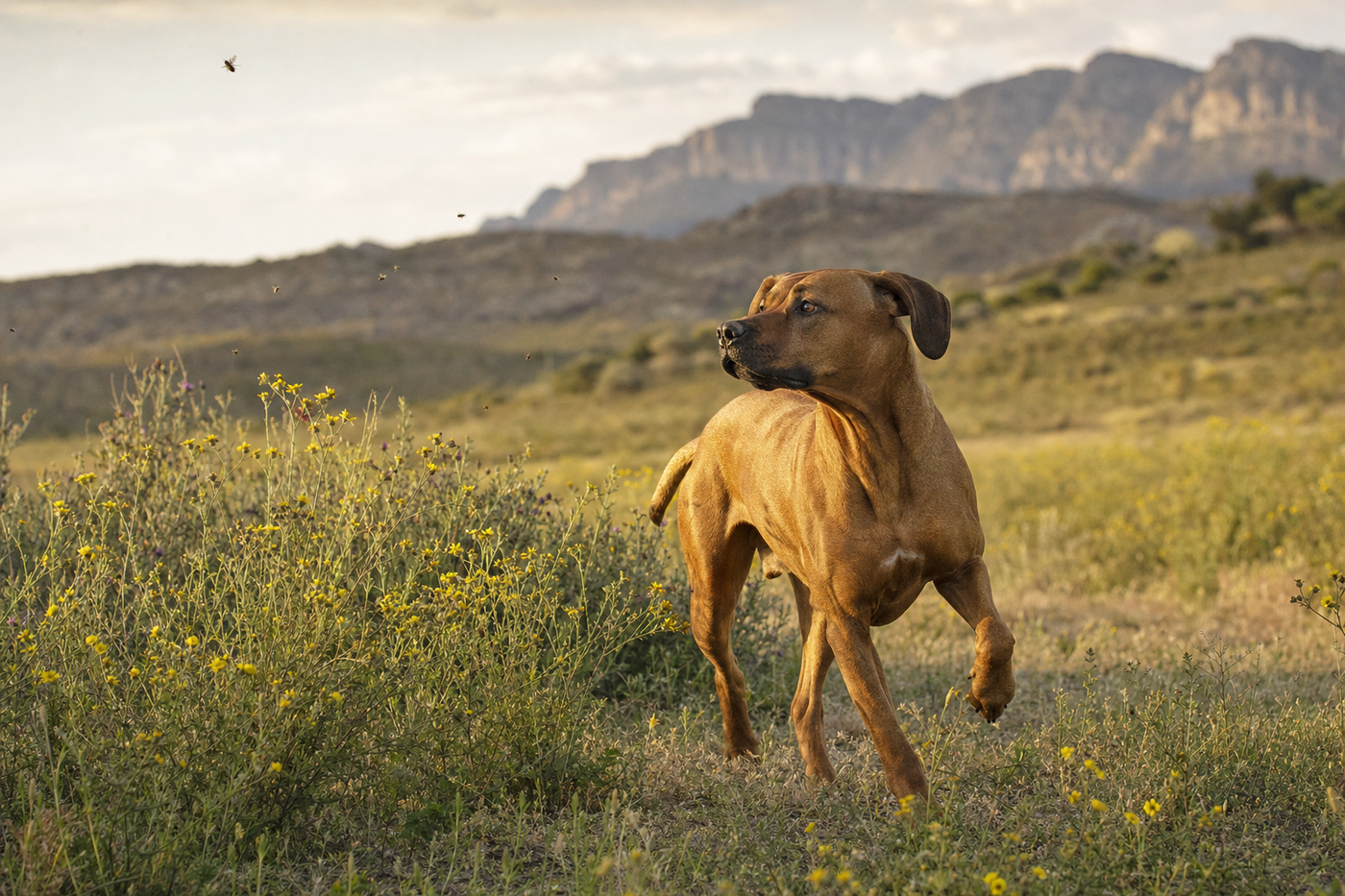
The honest picture: most bee stings are not emergencies
Bee stings are one of the most common reasons dogs visit emergency vets in Australia. The good news is that the majority of bee stings cause only a mild, localised reaction that is uncomfortable but not dangerous. A dog that has been stung will typically yelp or jump in surprise, then paw at or lick the affected area. There may be some redness and localised swelling. This is a normal response and does not require emergency veterinary care unless it worsens. The situation that does require emergency care is an allergic reaction. Dogs, like people, can have allergic responses ranging from mild to life-threatening anaphylaxis. Anaphylaxis in dogs has a reported mortality rate of approximately 15% without prompt treatment. Knowing the difference between a normal sting response and an allergic reaction is what this guide is about.
Normal sting response vs allergic reaction
A normal sting response involves pain at the site, localised swelling, pawing or licking at the area, and mild distress that settles within an hour or two. Signs that indicate an allergic reaction requiring veterinary attention include swelling that spreads beyond the sting site, hives appearing elsewhere on the body, vomiting or diarrhoea, weakness or lethargy, pale gums, difficulty breathing, and collapse. Swelling around the face or throat is particularly serious because it can obstruct the airway. A sting near the mouth, nose, or throat should always be monitored very closely regardless of initial severity. Allergic reactions usually occur within 20 minutes of the sting but can be delayed up to several hours in some cases. If your dog has been stung, monitor them closely for at least an hour.
What we recommend
Some links below are affiliate links. Pawtrips may earn a commission at no extra cost to you.
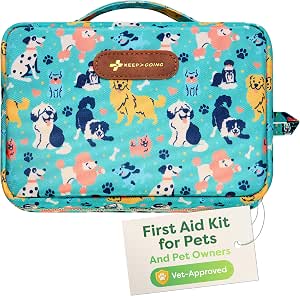
Dog First Aid Kit for Travel Emergencies
It's important to prepare for unforeseeable situations while travelling.

Reduce Shedding with FURminator Conditioner
A well-groomed coat means less mess in your travel space.

Mini GPS Tracker for Cats - Real-Time Location
Tracking your cat eases the stress of travelling together.

Track Your Dog's Location in Real-Time
It helps you keep your pet safe and in check during travels.
Immediate first aid
If you can find the stinger, remove it by scraping a piece of cardboard or your fingernail across the sting site. Do not use tweezers or squeeze the stinger. Squeezing pushes more venom into the skin. Apply a cool compress to the sting site to reduce swelling and pain. Keep your dog calm and restrict movement. For mild reactions with only local swelling and discomfort, monitor closely and contact your vet for advice. They may recommend an antihistamine dose appropriate for your dog's weight. For any sign of an allergic reaction, facial swelling, vomiting, difficulty breathing, or collapse, get to a vet immediately. Do not wait to see if it settles.
Dogs that have reacted before
A dog that has had a previous allergic reaction to a bee sting is at higher risk of a more severe reaction next time. Each subsequent sting can trigger a stronger immune response. If your dog has previously reacted to a sting, discuss this with your vet. They may prescribe an EpiPen or antihistamine to carry on trips. Venom immunotherapy, similar to desensitisation programs used in humans, is also available through veterinary dermatologists in Australia and is the only treatment proven to reduce long-term risk. Dogs with known venom allergies should never travel without their prescribed medications. Know the dose and how to administer it before you need it.
On Australian road trips
Bee stings are most likely during outdoor activities like bushwalking, beach days, and camping. Dogs investigate everything with their noses and a bee on a flower at nose height is an irresistible target. Know the location of the nearest vet at each stop. A mild sting in the city is manageable. A severe reaction three hours from the nearest town with no medication on hand is a different situation. Carrying a vet-recommended antihistamine dose for your dog on road trips is a sensible precaution. Discuss the right product and dose with your vet before leaving.
Bee stings are a normal part of outdoor life with a dog in Australia. Most are minor. The ones that are not can escalate fast. Know the difference before you need to. Write to us at hello@pawtrips.com.au if you have a tip worth sharing.
hello@pawtrips.com.auPlus early access to new guides and partner deals.
No spam. Ever. Just the good stuff for you and your pet.