Cyanobacteria poisoning in dogs has no cure. Symptoms appear within 15 minutes to 2 hours. Dogs exposed to high toxin loads often do not survive even with emergency veterinary treatment.
Blue-green algae toxins can enter your dog's body through swimming, wading, drinking, or even skin contact. Toxins are absorbed rapidly and damage the liver, nervous system, and kidneys simultaneously.
Why Vets Can't Save Dogs Exposed to the Worst Toxins
Here's the brutal truth: there is no antidote for cyanobacteria poisoning in dogs. Vets can only provide supportive care by managing symptoms, monitoring organ function, and trying to buy time while your dog's body attempts to process the toxins. If your dog has ingested a large amount or was exposed to particularly potent strains, even aggressive veterinary treatment might not save them.
Survival depends largely on how much toxin entered your dog's body and how quickly you reach emergency care. Dogs treated within the first hour have the best chance of recovery. After two hours, prognosis drops significantly. After four hours, most dogs don't survive. The vets I spoke to in Melbourne emphasised that prevention is the only reliable strategy because there's simply no cure once poisoning has taken hold.
This is why the phrase "don't let your dog swim in questionable water" isn't just cautious advice. It's the difference between your dog coming home and not coming home. When you're travelling through new regions, this responsibility weighs heavily. Your dog doesn't understand danger. They only understand that water looks fun and smells interesting.
Recognising Safe Water Versus Risky Water
Safe water is clear enough that you can see the bottom or at least a metre down. It flows or has visible current, which means it's not stagnant. The water should be cool to touch, not warm. If you can see fish, turtles, or other wildlife thriving in the water, that's a positive sign.
Risky water is anything murky, discoloured, or slightly opaque. Water that smells musty, like wet soil or compost, warrants suspicion. Warm, still water in shallow dams during summer should be avoided entirely. If the water surface looks slimy, has a film on it, or displays any unusual discolouration from green to brownish-red, turn around and find somewhere else.
I now travel with photos of what blue-green algae looks like so I can compare them to any water I'm unsure about. It takes 30 seconds to pull out your phone and check. I also ask other dog owners at caravan parks which swimming spots they use and which ones they avoid. Local knowledge saves lives. When in doubt, I stick to ocean swimming or organised dog parks with managed water features that are regularly tested.
What we recommend
Some links below are affiliate links. Pawtrips may earn a commission at no extra cost to you.
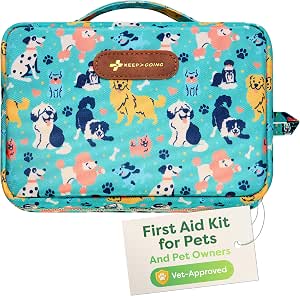
Dog First Aid Kit for Travel Emergencies
It's important to prepare for unforeseeable situations while travelling.

Reduce Shedding with FURminator Conditioner
A well-groomed coat means less mess in your travel space.

Mini GPS Tracker for Cats - Real-Time Location
Tracking your cat eases the stress of travelling together.

Track Your Dog's Location in Real-Time
It helps you keep your pet safe and in check during travels.
What To Do If Your Dog Has Been Exposed
If your dog has swum in water and you suspect algae exposure, rinse them immediately with fresh water from a tap or a clean water container. Don't use algae-contaminated water. Rinse their whole body, paying special attention to eyes, nose, and any cuts on their paws. This reduces the amount of toxin that can be absorbed through the skin. Get them out of wet clothes or harnesses straight away.
Don't wait for symptoms. Drive to the nearest emergency veterinary clinic now, not in 20 minutes. Call ahead if you can so the vets prepare. Tell them specifically that your dog may have been exposed to blue-green algae and describe where. Bring any water samples if you have them.
Keep a list of emergency vet clinics programmed into your phone before you travel. When I was road-tripping with my dogs through regional Victoria, I mapped out the nearest emergency vet in each town. This took an afternoon but gave me enormous peace of mind. If you're camping in an area with no mobile signal, ask the campground operator which vet clinic to use and save their address on a paper map.
Planning Pet-Friendly Water Activities While Travelling
The safest approach is to stick with recognised dog beaches and organised swimming spots that are monitored regularly. In major cities and popular travel destinations, these places are regularly tested and alerts are posted immediately if algae appears. Beaches like Palm Beach north of Sydney or dog-friendly beaches around Melbourne and Brisbane are actively managed.
When travelling to smaller towns or regional areas, ring the local council and ask specifically about water safety for dogs. Most councils have tourism or parks departments that track algae warnings. Ask whether your chosen camping spot or accommodation has a preferred swimming location. Many holiday parks have dams or water features on their property that are safe because owners maintain them.
Consider taking your dog to a proper dog park with a water feature instead of natural waterways. These are chlorinated or otherwise treated to be safe. If your trip involves camping, plan activities that don't centre around water swimming. Walks, hikes, and beach time at managed locations offer plenty of exercise and enrichment without the risk.
Staying Informed While Travelling
Before you arrive in any new region, check the relevant council websites for current water quality alerts and algae warnings. New South Wales, Victoria, Queensland, and South Australia all have public health or environmental departments that maintain these lists. Set a reminder to check again every few days as you travel, because blooms can develop quickly.
Follow local Facebook groups for the areas you're visiting. Caravan and camping groups often have members who post about water conditions in real time. Dog owner groups in specific regions will mention which swimming spots are currently safe or problematic. This informal network is incredibly valuable and usually accurate.
When you arrive at any new location, ask the campground staff, holiday park managers, or local shopkeepers about recent algae activity. They've seen countless visitors and they know which water bodies have had problems. Take their warnings seriously. I've learned that locals in small towns have zero reason to mislead you about safety issues. If they say avoid a particular dam or lake, there's usually a good reason.
Plus early access to new guides and partner deals.
No spam. Ever. Just the good stuff for you and your pet.