What cane toads are and where they are found
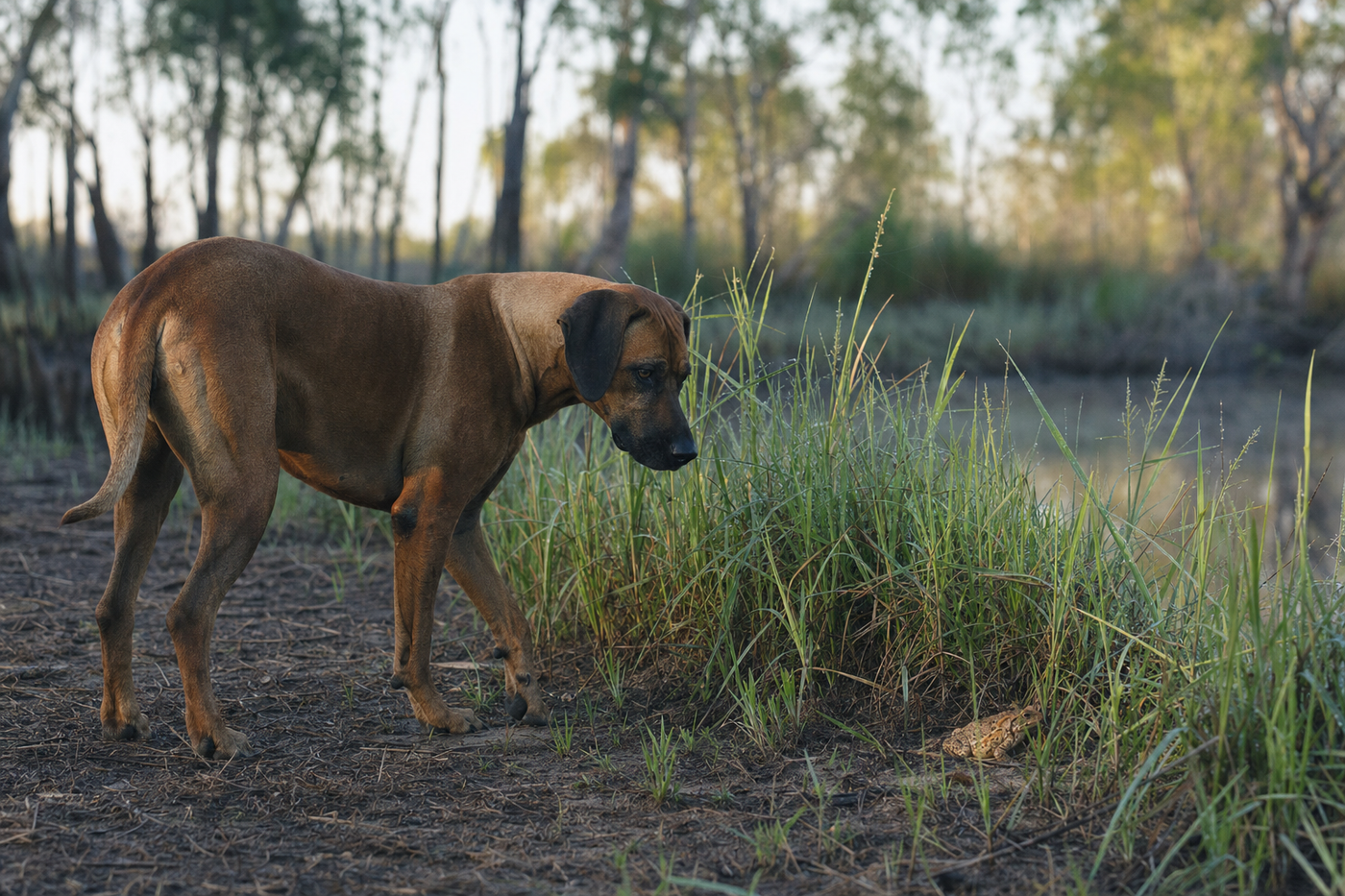
Cane toads, Rhinella marina, are an introduced species found throughout Queensland, the Northern Territory, and increasingly in northern New South Wales. They secrete a toxic milky substance called bufotoxin from large glands behind their eyes. Dogs most commonly encounter cane toads at night, particularly after rain when toads are most active. Dogs typically mouth or lick the toad out of curiosity and absorb the toxin through the mucous membranes of the mouth and gums. Cane toad encounters are extremely common for dog owners in Queensland and the NT. Most dogs that receive prompt first aid and are taken to a vet if symptoms are severe recover fully. Unlike paralysis ticks or snake bites, cane toad poisoning is rarely fatal when treated appropriately.
Warning signs
Signs of cane toad poisoning typically appear within minutes of exposure. Brick red or very red gums are a key indicator. Other signs include excessive drooling, pawing at the mouth, vomiting, disorientation, tremors or seizures, and in severe cases collapse. The severity depends on how much toxin was absorbed and how quickly first aid was provided. A dog that briefly mouthed a toad and had their mouth wiped immediately will typically show mild symptoms. A dog that chewed a toad and was not found for some time may show severe symptoms.
What we recommend
Some links below are affiliate links. Pawtrips may earn a commission at no extra cost to you.
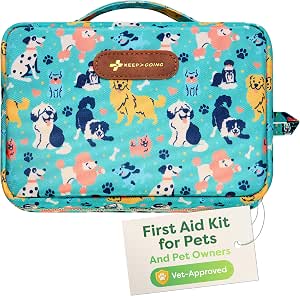
Dog First Aid Kit for Travel Emergencies
It's important to prepare for unforeseeable situations while travelling.

Reduce Shedding with FURminator Conditioner
A well-groomed coat means less mess in your travel space.

Mini GPS Tracker for Cats - Real-Time Location
Tracking your cat eases the stress of travelling together.

Track Your Dog's Location in Real-Time
It helps you keep your pet safe and in check during travels.
Immediate first aid
Act immediately. The faster you remove the toxin from your dog's mouth the better the outcome. Using a wet cloth, wipe the inside of your dog's mouth, gums, and tongue thoroughly to remove as much toxin as possible. Do this before rinsing with water. If you rinse with water first the toxin can be swallowed. After wiping, rinse your dog's mouth with running water from a hose or tap for 10 minutes. Direct the water sideways so it runs out of the mouth rather than down the throat. Keep your dog calm and monitor closely. For mild cases with only drooling and pawing at the mouth, first aid may be sufficient. For any dog showing tremors, seizures, disorientation, or collapse, go to a vet immediately.
Prevention
The most effective prevention in cane toad areas is supervised outdoor time at night. Do not let your dog roam unsupervised after dark in Queensland or the NT, particularly after rain when toad activity peaks. Keep outdoor areas well lit and remove water sources that attract toads such as pet water bowls left outside overnight. Learn to identify cane toads so you can remove them from your yard. They are large, brown, and have warty skin with prominent parotoid glands behind each eye. They move slowly compared to native frogs. If you are travelling through tropical Queensland or the NT, be aware that your dog may encounter a cane toad for the first time. Keep them on leash at night and be particularly vigilant at campsites and in areas with dense vegetation.
Cane toad encounters are a fact of life for dog owners in tropical Queensland and the NT. Knowing what to do immediately makes all the difference. Write to us at hello@pawtrips.com.au if you have a cane toad safety tip worth sharing.
hello@pawtrips.com.auPlus early access to new guides and partner deals.
No spam. Ever. Just the good stuff for you and your pet.