If your dog shows severe symptoms like excessive drooling, repeated vomiting, or extreme distress, stop driving immediately and contact a veterinarian. Some conditions like inner ear problems require professional diagnosis.
Never use essential oils or diffusers in the car as some oils are toxic to dogs. Ensure proper ventilation is your only air quality strategy.
Why Dogs Get Car Sick on Australian Roads
Car sickness in dogs comes down to the inner ear and motion sensitivity. When your dog sits low in a car travelling from Brisbane to the Gold Coast, their inner ear constantly recalibrates to changes in speed and direction. The mismatch between what their eyes see and what their balance system feels triggers nausea.
Young puppies and anxious dogs suffer most because their nervous systems are still developing or naturally reactive. My own blue heeler, Biscuit, threw up every single trip until I understood this wasn't a discipline issue but a genuine physical response. The good news is that many dogs grow out of it by their first birthday, and almost all dogs improve dramatically with proper conditioning.
Some breeds are naturally more prone to car sickness than others. Smaller dogs like Jack Russell Terriers and Cavalier King Charles Spaniels report higher rates of motion sickness compared to larger breeds. Temperature stress makes everything worse, which is why hot summer drives along the Newell Highway cause more problems than cooler morning trips.
Gradual Conditioning: Building Your Dog's Tolerance
The single most effective strategy is gradual exposure. Start with your dog sitting in a parked car for five minutes without the engine running. Do this every second day for a week until your dog feels comfortable. Then progress to short 10 minute drives around your local suburb.
My neighbour's kelpie, Max, was a nightmare traveller until she committed to weekly five minute drives for a month. By the eighth week, Max could handle hour long trips to Tamworth without issue. The key is patience and consistency. Don't expect results in days. Most dogs need 4 to 6 weeks of regular, short trips before they show real improvement.
Time your trips for when your dog is naturally drowsy. Late afternoon drives when they've had exercise tend to work better than morning trips. If your dog is already tired, they're less likely to focus on the motion and more likely to sleep through the journey.
What we recommend
Some links below are affiliate links. Pawtrips may earn a commission at no extra cost to you.

Dog Car Booster Seat for Safe Travel
This car seat offers small dogs a safe and comfortable way to travel.

Dog Dental Kit for Travel - Fresh Breath, Happy Pooch
This kit helps maintain your dog's dental health, ensuring fresh breath while travelling.

Smart Dog GPS Tracker, No Fees, All Breeds
Ensure your furry friend is always trackable during your travels.
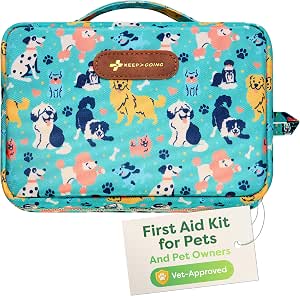
Dog First Aid Kit for Travel Emergencies
It's important to prepare for unforeseeable situations while travelling.
Feeding and Hydration Strategy for Road Trips
Never feed your dog within three hours of travel. A full stomach makes nausea worse, and vomit in a car is impossible to clean properly. Feed your dog breakfast early, then drive later in the morning when they've had time to digest. For longer drives like Sydney to Melbourne, feed your dog only after you stop for the night.
Hydration is different from food. Your dog needs water access, but small frequent sips are better than letting them gulp water before departure. Offer water every 30 minutes during breaks rather than one large bowl in the car. I keep a collapsible bowl in the glove box and pull over at rest areas along the Pacific Highway to give Biscuit water.
Treat timing matters too. High fat treats make car sickness worse. Stick to plain biscuits or dried apple if you want to give rewards during stops. Save proper treats and meals for when you've reached your destination and your dog has settled.
Positioning and Restraint in Your Vehicle
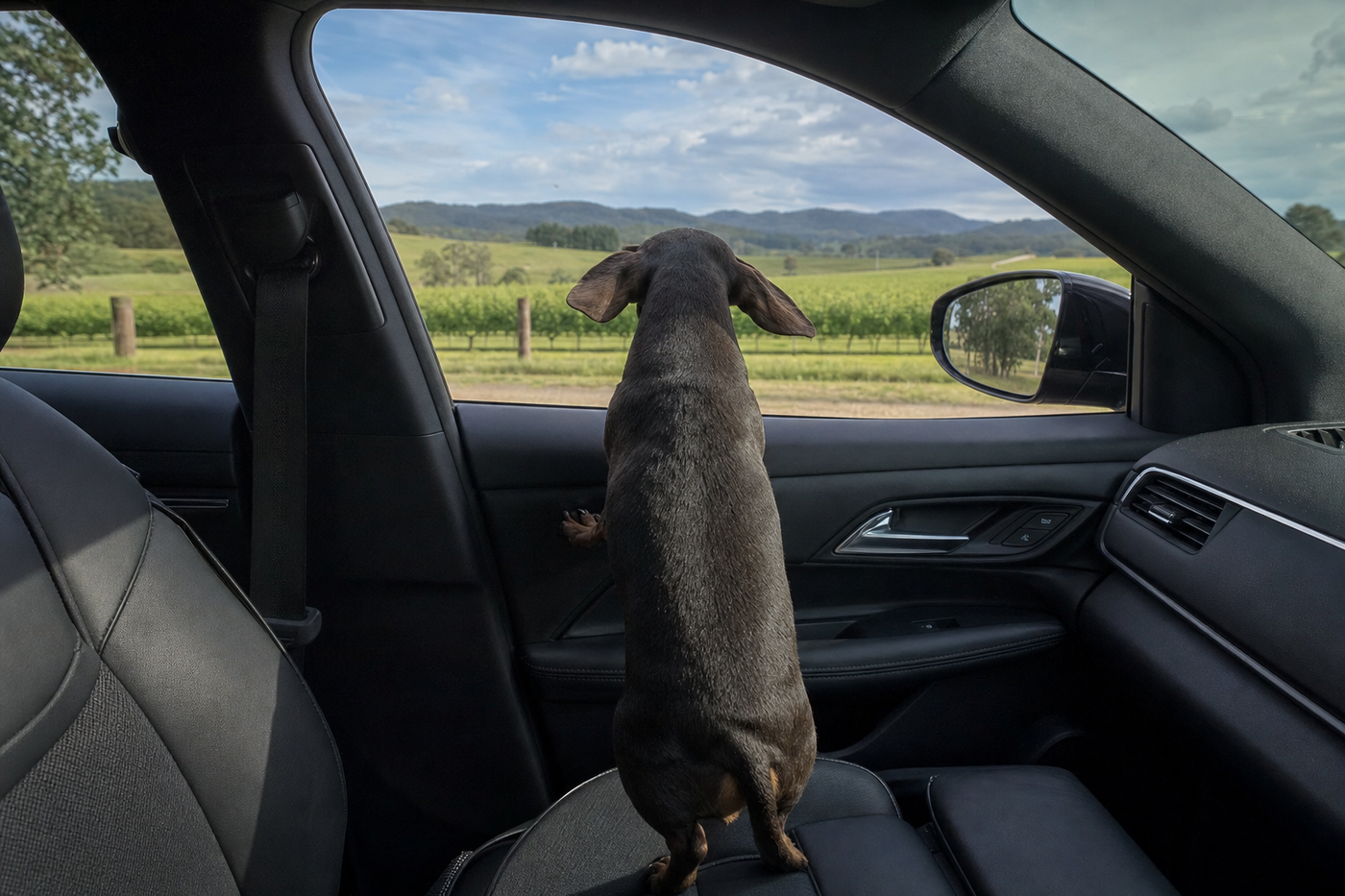
Where your dog sits directly affects motion sickness. Dogs positioned higher in the vehicle, where they can see the horizon, experience less nausea than dogs sitting on the floor looking at passing objects. A dog car seat that elevates your pet gives them the same view as humans, which helps their brain process motion more accurately.
Restrain your dog properly every trip. A loose dog shifting around in the boot or back seat worsens motion sickness because they're constantly working to balance themselves. A proper harness or secured crate prevents this unnecessary movement. Safety matters too: unrestrained dogs become projectiles in sudden braking and cause accidents.
The boot is generally the worst spot for motion sensitive dogs. The movement feels more exaggerated back there, and they can't see where they're going. If you have an SUV, position your dog in the back seat with a harness rather than in the cargo area. Side windows help too. A dog that can see out and focus on distant objects tends to suffer less than one staring at close movement.
Environmental Factors That Trigger Car Sickness
Temperature control is critical. Cars that are too warm make nausea worse because dogs can't regulate body temperature as efficiently as humans. Keep your car between 18 and 22 degrees Celsius during road trips. Air conditioning is a must on hot days, but don't make it ice cold as that creates shock when your dog gets out.
Smells matter more than most owners realise. A stuffy car filled with the smell of fuel, old food, or your dog's own vomit from previous trips triggers anticipatory nausea. Air out your car completely before each trip. Open all windows for five minutes before your dog gets in. Fresh air circulation, not stale recycled cabin air, helps anxious dogs relax.
Noise stress compounds motion sickness. Loud music, repeated honking, or squeaky toys add to your dog's sensory overload. Keep radio volume low and create a calm environment. Some owners report that soft classical music actually helps anxious dogs settle. Avoid exciting your dog before travel. A calm dog is always less likely to experience car sickness than one that's already wired and stressed.
Medication and Veterinary Solutions
If your dog has severe car sickness that doesn't improve after two months of conditioning, talk to your vet about anti-nausea medication. Tablets like cerenia work by blocking signals that trigger vomiting, and they're safe for regular use during road trips. Your vet can prescribe these 30 minutes before you travel, and they're particularly useful for long distances like driving to Perth from Adelaide.
Some vets recommend natural calming supplements containing valerian root or passionflower. These mild sedatives help anxious dogs relax without putting them to sleep completely. The relaxation reduces stress related nausea. I've seen good results with these in anxious rescue dogs, though they work better as part of a complete strategy rather than a standalone solution.
Your vet might also suggest prescription sedatives for extremely anxious dogs. These are stronger interventions reserved for dogs where car sickness is severe enough to affect their wellbeing or your ability to travel safely. Never use human medication or over-the-counter sedatives without veterinary guidance. Dosing and safety vary dramatically between dogs, and some common medications can cause dangerous side effects in pets.
Managing Accidents and Recovery During Trips
Keep cleaning supplies in your car at all times. Vomit happens, especially in the early stages of conditioning. Carry enzyme-based pet stain remover, paper towels, and plastic bags. When accidents happen, clean immediately rather than driving with the smell lingering, as this makes future trips harder for your dog. The smell of previous vomit triggers anticipatory nausea in many dogs.
After your dog vomits, take a 20 minute break before continuing. Let your dog walk around, have fresh water, and reset their nervous system. Resume travel only when they've settled. Pushing through immediately increases panic and often causes another vomiting episode within minutes. This stop and reset approach saved countless trips with Biscuit when he was learning.
Track patterns in your dog's car sickness. Does it happen at specific distances, or after certain turns, or only on hot days. Keeping notes helps you identify what triggers your individual dog. Maybe they're fine on straight highways but struggle with winding mountain roads. Understanding your dog's specific triggers lets you adjust your travel strategy accordingly.
Planning Longer Road Trips With Your Dog
Break long drives into stages. Rather than driving eight hours straight to Canberra, plan overnight stops every four hours. Your dog adjusts better to travel when they get regular breaks to stretch, toilet, and recover from motion stress. Dogs aren't wired for marathon car journeys like humans are. Multiple short days are always easier than one long day.
Research dog friendly accommodation before you depart. Knowing exactly where you'll stop each night removes decision making stress from your trip. Many caravan parks and motels along major Australian routes welcome dogs. Call ahead and confirm rather than arriving at a location unsure if your dog can stay.
Arrange veterinary checkups before and after major trips. A vet visit before you leave lets you discuss any concerns and get professional advice tailored to your dog. A post trip check confirms your dog handled the journey well. This is especially important for older dogs or those with existing health conditions. Your local vet in Toowoomba or wherever you live knows your dog's history and can give specific guidance.
Plus early access to new guides and partner deals.
No spam. Ever. Just the good stuff for you and your pet.