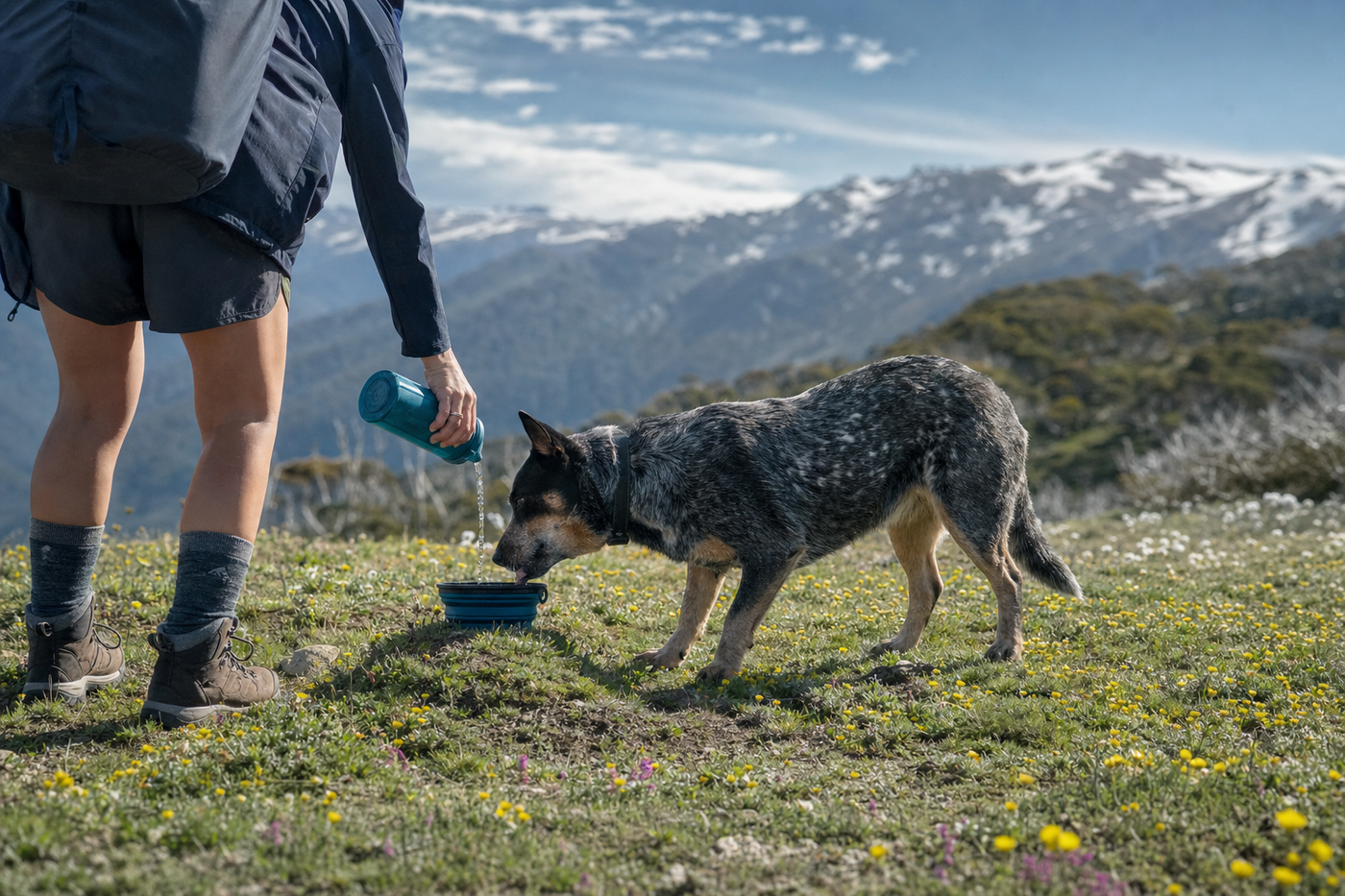
Severe dehydration can cause organ damage and death within hours, especially in small breeds, puppies, and senior dogs. Drive to the nearest veterinary clinic immediately if your dog collapses, shows confusion, or cannot stand.
Blue-green algae in natural water sources is toxic to dogs and causes serious illness within minutes. Never let your dog drink from dams, lakes, or stagnant water bodies regardless of how thirsty they seem.
Why Dogs Get Dehydrated While Travelling
Dogs lose fluids faster when they're stressed, exercising, or sitting in hot cars. A trip from Sydney to the Blue Mountains on a 28-degree day puts real strain on your dog's body. Heat, unfamiliar environments, and excitement all increase how much water your dog needs.
Unlike humans, dogs can't tell you they're thirsty until it's serious. By the time your dog stops eating or seems lethargic, dehydration has already taken hold. A healthy adult dog needs roughly 1 millilitre of water per kilogram of body weight each day, but travelling dogs need significantly more.
Many owners underestimate how quickly dehydration happens. Your dog can lose critical fluids within 2 to 3 hours in a car without proper water access. The Outback and remote coastal areas make this problem even more dangerous because finding help takes longer.
Early Signs Your Dog Needs Water
The first sign is usually excessive panting. Your dog's tongue stays out longer, breathing becomes heavier, and they seem restless. This happens before more serious symptoms appear, so pay attention to changes in your dog's normal breathing pattern.
Check your dog's gums every 30 minutes during travel. Press your finger on the gum and release it. Healthy gums are pink and the colour returns immediately when you release. If the gums stay pale or the colour comes back slowly, your dog is dehydrated.
Loss of appetite is another early warning. Your dog might sniff at food or treats they'd normally demolish. Some dogs become unusually quiet or less interested in exploring rest stops. These behavioural changes matter more than you think because they come before serious physical symptoms.
What we recommend
Some links below are affiliate links. Pawtrips may earn a commission at no extra cost to you.
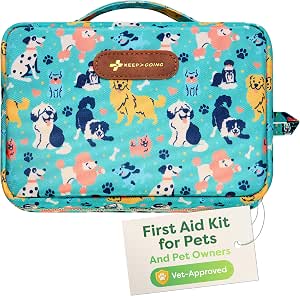
Dog First Aid Kit for Travel Emergencies
It's important to prepare for unforeseeable situations while travelling.

Reduce Shedding with FURminator Conditioner
A well-groomed coat means less mess in your travel space.

Mini GPS Tracker for Cats - Real-Time Location
Tracking your cat eases the stress of travelling together.

Track Your Dog's Location in Real-Time
It helps you keep your pet safe and in check during travels.
Serious Dehydration Symptoms You Cannot Ignore
Sunken eyes are a red flag. Your dog's eyes look recessed into the skull and the skin around them appears loose. This symptom means your dog has lost significant body fluids and needs help immediately.
Dry nose and mouth mucous membranes are also concerning signs. Your dog's nose should be moist and cool. A warm, dry nose combined with sticky gums means you need to stop and provide water right away. Your dog might drool less than usual or have sticky, thick saliva.
Collapse, weakness, or inability to stand are emergency symptoms. If your dog seems confused, stumbles while walking, or refuses to get up, drive to the nearest veterinary clinic immediately. Don't wait to see if they improve. Severe dehydration can cause organ damage within hours, especially in small breeds like Chihuahuas or Cavalier King Charles Spaniels.
Pack the Right Water Supplies Before You Leave
Bring more water than you think you'll need. For a full day trip to somewhere like Kakadu National Park or the South Coast, carry at least 4 litres of fresh water per dog. This sounds like a lot, but remote areas have limited water sources and you might not find clean drinking water where you expect it.
Freeze water in containers the night before. Frozen water melts slowly over several hours and keeps your dog's water cool naturally. This trick works brilliantly on long drives through inland Australia where temperatures reach 35 degrees or higher.
Bring a collapsible bowl or portable dog water bottle. Your dog won't drink from a bottle the same way humans do, so a lightweight collapsible bowl takes up minimal space and lets your dog lap water easily. Some portable water bottles have built-in bowls on the bottom, which saves you from carrying extra gear.
How Often to Offer Water During Travel
Offer water every 30 to 60 minutes during car journeys. Don't wait for your dog to ask or show signs of thirst. Small, frequent drinks are better than one big drink because your dog's body absorbs water gradually. Frequent water breaks also give your dog a chance to stretch, move around, and relieve themselves.
Adjust frequency based on temperature and your dog's age. Puppies under 6 months need more frequent hydration checks because they regulate body temperature poorly. Senior dogs over 8 years old also dehydrate faster. On hot days, offer water every 20 minutes instead of every hour.
Don't let your dog drink from natural water sources like dams or creeks while travelling. These contain bacteria, parasites, and sometimes blue-green algae that makes dogs very sick. Stick to the clean water you brought from home or from towns with reliable water supplies.
Emergency Treatment When Your Dog Shows Severe Symptoms
If your dog collapses or seems unable to stand, find a vet clinic immediately. Don't try to treat severe dehydration yourself. Call ahead and tell the clinic you're coming so they can prepare for fluids and examination. Severe dehydration often requires intravenous fluids delivered by a veterinarian.
Give small amounts of cool water by hand if your dog is conscious but showing serious symptoms. Let your dog lick water from your palm rather than drinking from a bowl. Never pour water down your dog's throat because they might aspirate it. Cool (not cold) water helps bring their core temperature down if heat exhaustion is also happening.
If you're hours from the nearest town, contact an emergency vet clinic by phone for advice. They'll guide you on what to do while you drive. Many regional areas have after-hours clinics in larger towns like Townsville, Alice Springs, or Broken Hill. Know where these clinics are located before your trip starts.
Prevention Strategies for Different Australian Climates
Beach trips require different hydration planning than inland journeys. Salt water and sun exposure increase dehydration dramatically. Rinse your dog with fresh water after swimming and limit beach time to early morning or late afternoon. Bring extra water because sand and salt make dogs thirstier.
Mountain areas like the Grampians or Snowy Mountains seem cooler, but altitude and physical activity increase water needs. Trail walks exhaust dogs faster and their panting uses more moisture. Start each walk with a full hydration session and carry water in a backpack.
Outback travel demands the most preparation. Distances between towns stretch beyond 100 kilometres and temperatures exceed 40 degrees regularly. Travel early morning or late afternoon, carry 6 to 8 litres of water per dog, and identify towns with veterinary services before you leave. Never attempt long outback drives with a dog unless you've planned water stops in advance.
Organise Your Travel Schedule Around Water Breaks
Plan your route with water breaks in mind. Stop in towns every 2 hours maximum during hot weather. Many councils and rest areas have water bowls for animals, but don't assume they exist everywhere. Call ahead to camping grounds, hotels, or tourism information centres to confirm they have water for dogs.
Take longer breaks in the middle of the day during summer. A 15-minute water stop isn't enough when temperatures peak at 2 to 4 PM. Find a shaded spot, let your dog drink, rest in cool air for 30 minutes, then continue. This prevents heat stress and dehydration from building up during peak heat hours.
Use apps and online maps to locate pet-friendly accommodation with water facilities. Pawtrips lists thousands of pet-friendly stops across Australia. Building your route around places that welcome dogs means you're also building in proper hydration stops. This planning takes 20 minutes but prevents serious health emergencies.
Plus early access to new guides and partner deals.
No spam. Ever. Just the good stuff for you and your pet.