Paralysis ticks are common across coastal and tropical Australia and can kill a dog within 24 hours if not treated; check your dog daily during tick season (September to April in most regions)
In truly remote areas like central Australia or far north Queensland, the nearest emergency vet may be 100+ kilometres away; always travel with a well-stocked first aid kit and phone the nearest clinic immediately if your pet shows signs of serious illness
Understanding Regional Vet Availability Across Australia
Urban Australia has good emergency vet coverage, but it drops away fast once you leave cities. Sydney, Melbourne, Brisbane, Perth, and Adelaide all have multiple 24-hour emergency clinics, so you're relatively safe there. The moment you head to regional towns like Canberra, Newcastle, Sunshine Coast, or Hobart, availability shrinks. Many of these towns have one or two veterinary clinics that close by 5 or 6 pm and don't operate weekends.
Remote travel requires different planning. If you're driving to Cairns, Alice Springs, Darwin, or the Pilbara, emergency vet services are sparse and often only available at main government or large private clinics. Small towns like Kununurra, Katherine, or Broken Hill might have only one vet clinic with limited hours. I once travelled with my dog through the Barossa Valley on a Saturday and realised the closest vet didn't open until Monday. Now I always plan travel so I reach a town with vet services before 5 pm, or I avoid driving on weekends in unfamiliar regions. Call ahead to regional vets and ask about their after-hours protocols, as some have an on-call vet system for genuine emergencies.
Common Pet Emergencies You Might Face On The Road
The most common emergencies I've seen with travelling dogs are injuries from rough terrain, eating things they shouldn't, and tick-related issues. Paw pad injuries happen constantly during hiking or rough camping. Your dog steps on glass, sharp rocks, or hot gravel and suddenly you've got a limping, painful pet. If bleeding doesn't stop after ten minutes of applying pressure with a clean cloth, head to a vet the same day to check for deep cuts that might need stitches.
Gastroenteritis hits dogs who scavenge food from campsites or eat unfamiliar grass and plants. Signs include vomiting, diarrhoea, loss of appetite, and lethargy. Most cases resolve with rest and bland food, but repeated vomiting or bloody stool means a vet visit. Paralysis ticks are genuinely dangerous across tropical and coastal Australia. A dog bitten by one will show signs within 24 to 48 hours: hind leg weakness, trouble swallowing, or inability to bark normally. Get to a vet immediately if you spot these symptoms. Bloat, where a dog's stomach twists and fills with gas, is rare but life-threatening and happens suddenly. If your dog is restless, can't settle, has a distended belly, or is drooling excessively, drive to an emergency vet right now.
What we recommend
Some links below are affiliate links. Pawtrips may earn a commission at no extra cost to you.
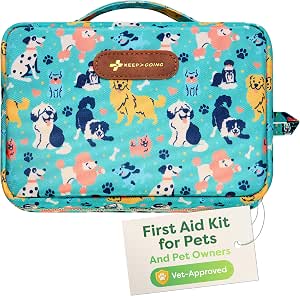
Dog First Aid Kit for Travel Emergencies
It's important to prepare for unforeseeable situations while travelling.

Reduce Shedding with FURminator Conditioner
A well-groomed coat means less mess in your travel space.

Mini GPS Tracker for Cats - Real-Time Location
Tracking your cat eases the stress of travelling together.

Track Your Dog's Location in Real-Time
It helps you keep your pet safe and in check during travels.
Building Your Pet Travel Emergency Kit
A first aid kit tailored for travel is different from a home kit because you need everything to fit in your car and be accessible in a stressful moment. Include sterile gauze pads, self-adhesive bandages, antiseptic wipes or solution, tweezers for tick removal, a tick remover tool designed for dogs, and a clean cloth or towel for applying pressure to wounds. Add a digital thermometer, saline solution for eye injuries, antihistamine tablets (ask your vet about the right dose for your dog), and any medications your pet takes regularly.
Pack a sturdy container that doesn't get crushed under camping gear. Label everything clearly so you can grab what you need in seconds. Keep a separate folder with your vet contact numbers, your dog's medical history, vaccination records, and microchip details in the same place. Some vets recommend including a recent clear photo of your dog in case you need to search for a lost pet. Before you leave home, have your vet review your kit and suggest anything you've missed based on your dog's age and health.
Paying For Emergency Vet Care While Travelling
Emergency vet visits cost more than regular appointments because they happen outside normal hours and often involve diagnostic tests. A basic after-hours examination might cost 150 to 250 dollars, while imaging like X-rays adds 200 to 400 dollars on top. If your dog needs surgery for bloat or a foreign body, you're looking at 2000 to 5000 dollars or more.
Most urban emergency clinics accept card payments, but rural vets often require cash or a bank transfer. Before you travel, confirm payment methods with the clinics you've identified. Some very remote areas only accept cash or cheques. Pet insurance helps cover these costs, and several Australian insurers offer policies that work across the country, not just at one clinic. If you don't have insurance, ask the vet about payment plans because most will work with you to get your pet treated rather than leaving you without options. Always carry at least 500 dollars in cash when travelling remote areas, and make sure your card has enough credit for a potential emergency.
What To Do If Your Pet Has A Medical Emergency While Travelling
The moment you suspect a serious emergency, stop what you're doing and call the nearest vet immediately. Don't wait to see if your dog improves or if symptoms were just a fluke. Tell the vet exactly what you've observed: if your dog is limping, bleeding, vomiting, or showing neurological signs like stumbling or head tilting. The vet will tell you whether to come straight in or monitor at home.
While you're driving to the vet, keep your dog calm and confined in the car to prevent further injury. If your dog is bleeding, apply gentle pressure with a clean cloth but don't try to remove objects embedded in wounds. Keep the car cool and don't give your dog food or water until the vet clears it, especially if there's vomiting or abdominal pain. Arrive at the vet with your paperwork ready: microchip details, vaccination records, and a clear description of what happened and when. If it's a genuine life-threatening emergency, the vet will prioritise you. During treatment, ask questions about what's wrong, what the vet is doing, and what aftercare your dog needs when you leave.
Plus early access to new guides and partner deals.
No spam. Ever. Just the good stuff for you and your pet.