Some prevention products can cause allergic reactions in sensitive dogs. If your dog has a history of medication allergies, discuss options with your vet before travel and carry antihistamines or cortisone as backup.
Tick-borne diseases like Babesiosis can cause serious illness or death if left untreated. Any lethargy, fever, or loss of appetite after a tick bite warrants immediate veterinary care, even if it's days after the initial bite.
Why Fleas and Ticks Are Different Threats in Australia
Fleas and ticks cause problems in different ways, and Australia's climate makes both year-round concerns. Fleas multiply fast in warm conditions and live on your dog's skin, causing itching, allergic reactions, and occasionally tapeworms. Ticks attach to your dog during walks through bush, long grass, or even near urban parks, and they can transmit serious diseases like Babesiosis and Ehrlichiosis.
Australia's warm climate means fleas stay active all year, but they peak during summer months from December to February. Ticks have a shorter season, typically September to April, when they're most active in vegetation. Your dog travelling through different regions faces different levels of risk. A trip through Queensland's rainforests carries higher tick risk than a coastal walk near Sydney, but your dog still needs protection in both places.
Many dog owners think prevention is optional if they're just taking short trips, but infestation can happen in a single afternoon. One tick can cause disease, and fleas multiply so quickly that you might not notice the problem until your dog is already scratching raw patches into their skin.
Australian Regions and Their Specific Pest Pressures
Australia's different regions have different flea and tick populations, and knowing where you're travelling helps you choose the right prevention strategy. The tropical north, including Far North Queensland and the Northern Territory, has intense tick pressure from September through April. Towns like Cairns, Darwin, and Katherine sit in high-risk zones where several tick species thrive. If you're travelling there during warm months, you need stronger prevention or more frequent checks.
Southern states like Victoria, Tasmania, and South Australia have moderate tick risk confined mostly to spring and early summer. Coastal areas around Melbourne and Adelaide are safer than inland regions with dense vegetation. Temperate parts of New South Wales, particularly around the Blue Mountains and coastal hinterland, see moderate to high tick activity depending on the season.
Fleas ignore regional boundaries because they thrive indoors and in heated homes year-round. Your dog can pick up fleas from urban parks in Perth, from beaches near Adelaide, or from the outskirts of Brisbane. Assume your dog faces flea risk everywhere in Australia, but add extra tick vigilance if you're heading north or into bushland during September to April.
What we recommend
Some links below are affiliate links. Pawtrips may earn a commission at no extra cost to you.
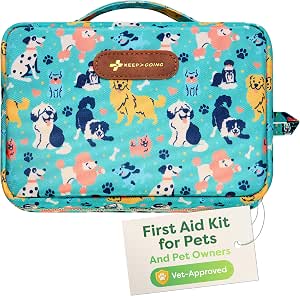
Dog First Aid Kit for Travel Emergencies
It's important to prepare for unforeseeable situations while travelling.

Reduce Shedding with FURminator Conditioner
A well-groomed coat means less mess in your travel space.

Mini GPS Tracker for Cats - Real-Time Location
Tracking your cat eases the stress of travelling together.

Track Your Dog's Location in Real-Time
It helps you keep your pet safe and in check during travels.
Prescription Prevention Products Worth Using
Your vet can prescribe several highly effective flea and tick prevention products designed for travelling dogs. Spot-on treatments like Advantix or Frontline Plus kill fleas on contact and repel ticks, offering monthly protection from a single application. These products are messy to apply but work well if your dog won't eat tablets willingly. You apply them to the back of your dog's neck where they can't lick the product off.
Tablet-based preventatives like NexGard and Simparica kill fleas and ticks from the inside out after your dog ingests them. Many dogs treat these as regular treats, making them easier to administer on the road than spot-on treatments. These products last for a month and start working within a few hours. Some dogs travel better with tablets because there's no wet residue to manage.
For long trips or dogs staying in unfamiliar accommodation, injectable prevention like Program offers three-month flea protection from a single vet visit. This option removes the guesswork of remembering monthly doses, though it doesn't prevent ticks as effectively. Talk to your vet about which product suits your dog's temperament and your travel timeline. Some products work better for anxious dogs that might get stressed from handling, while others suit dogs that will happily eat treats.
Daily Inspection Routines That Actually Work
Prevention products protect your dog, but daily inspections catch any parasites that slip through and stop infestations before they start. Set aside five minutes each evening to run your hands over your dog's entire body, feeling for small bumps or lumps. Ticks feel like small sesame seeds or tiny peas attached to the skin, most commonly around the ears, neck, armpits, and between the back legs. Fleas you'll see as tiny fast-moving insects in the fur, especially around the base of the tail and inner thighs.
Use a flea comb if your dog has longer fur, running it through the coat and wiping the comb on a damp cloth to see what comes out. This catches fleas your eyes might miss and also helps remove flea dirt, which looks like tiny black specks. Make this routine part of your evening camping ritual or hotel routine. Dogs travelling with you are experiencing new environments and new stress, so parasites have extra opportunity to attach.
If you find a tick, remove it immediately using a tick removal tool or tweezers, grasping it close to the skin and pulling straight out. Never squash, burn, or smother a tick because doing so can cause it to release disease-carrying fluids. Drop removed ticks into a container of rubbing alcohol or a sealed bag. Keep a record of where you found ticks and when, so you can avoid those areas or times during future travels.
What to Pack for Prevention While Travelling
Travelling dogs need more supplies than home-based dogs because you can't quickly pop to your local vet if a problem develops. Pack your dog's regular flea and tick prevention tablets or spot-on treatments in their original labelled containers. Include at least one extra month's worth of prevention, especially if you're travelling to remote areas where buying replacements is difficult. A trip through the Outback from Uluru to Kings Canyon lasts a week, but you might want backup doses in case you extend your stay.
Bring a tick removal tool specifically designed for dogs, which costs about fifteen dollars and is smaller than a credit card. Pack tweezers as a backup if you can't find or don't want to carry a dedicated tool. Include a flea comb if your dog has medium to long fur. These items take minimal space in your first aid kit but make a huge difference if you find parasites during travel.
Carry a small notebook to track when you applied each dose of prevention and where you found any ticks or fleas. This information helps your vet assess whether your chosen product is working or if you need to switch to something stronger. Store prevention products in a cool, dry spot away from direct sunlight, especially spot-on treatments which can degrade in heat. A car glove box or a sealed bag in your travel kit works well.
Recognising Flea and Tick Problems Before They Get Serious
Your dog might develop allergic reactions to fleas or ticks even with good prevention, so knowing the early warning signs matters. Excessive scratching, especially around the rump, base of the tail, or inner thighs, suggests fleas. Your dog might bite or lick these areas until the skin becomes red and raw. Some dogs develop hair loss in patches if they've been scratching intensely. These signs appear within days of flea infestation, so catching them early prevents serious skin infections.
Ticks cause different problems. Your dog might run a mild fever or become lethargic after a tick bite if the tick transmitted disease. Some dogs develop swelling or irritation around the bite site. Babesiosis from tick bites can cause lethargy, weakness, and pale gums days or weeks after the initial bite. If your dog seems unwell after you find ticks, contact an emergency vet immediately rather than waiting for a regular appointment.
Allergic reactions to flea bites can cause severe itching even from a single flea. If your dog has a known flea allergy, prevention is absolutely critical because one unnoticed flea can trigger problems. Watch for hives, facial swelling, or excessive scratching within hours of finding a flea. These reactions warrant an emergency vet visit if antihistamines and cortisone aren't available.
When to Call the Vet While Travelling
Sometimes prevention fails or your dog has an unexpected reaction to treatment, and knowing when to call the vet prevents serious complications. If your dog develops sudden severe itching, hair loss, or skin infections within days of travel, contact a vet even if you've started prevention. Skin infections from scratching can escalate quickly in warm climates and unfamiliar environments where stress lowers your dog's immune response. Most towns in Australia have at least one veterinary clinic you can reach during business hours.
Call a vet immediately if your dog shows signs of tick-borne disease like fever, lethargy, loss of appetite, or difficulty walking. These symptoms can appear days to weeks after a tick bite, so track when you found ticks and mention the dates to your vet. Some tick diseases progress slowly, so early treatment prevents serious complications. Emergency vets in larger towns and cities operate outside business hours, so get their contact details when you arrive in a new area.
Contact your vet before starting a new prevention product if your dog has had allergic reactions to flea or tick treatments previously. Some dogs tolerate certain brands better than others, and your vet can recommend alternatives. If your dog accidentally gets overdosed on prevention medication, call a vet or poison control immediately rather than waiting to see if symptoms develop. These medications are generally safe at recommended doses, but accidental overdose requires professional advice.
Natural and Environmental Control Methods
Prevention products are your primary defence, but environmental controls reduce the number of parasites your dog encounters during travel. Avoid letting your dog sleep in long grass or dense vegetation, especially during tick season from September to April. When camping, choose cleared camping sites rather than bush camping near dense scrub. Keep your dog on paths during walks through national parks and avoid letting them roll in vegetation where ticks hide.
Wash your dog's bedding regularly during travel, using hot water if your accommodation allows. Fleas and tick eggs can hide in bedding and multiply if left unchecked. If your dog sleeps on your hotel bed, wash the sheets immediately after checkout to prevent bringing parasites home. Some accommodation providers provide washing machines specifically for pet bedding, so ask when you book.
Vacuum your car or caravan regularly if your dog travels in these spaces. Flea eggs and larvae can develop in vehicles during warm months, creating infestations that follow you home. Brushing your dog daily with a regular brush removes loose fur where fleas hide and helps you spot parasites early. These methods complement prevention products rather than replacing them, so use them together for maximum protection.
Plus early access to new guides and partner deals.
No spam. Ever. Just the good stuff for you and your pet.