HEATSTROKE EMERGENCY: Collapse, unresponsiveness, or seizures in a hot environment is a critical emergency. Apply cool water immediately and get to the nearest emergency vet. Do not wait to see if your dog recovers on their own.
Why heatstroke kills dogs faster than most owners realise
Dogs cool themselves primarily by panting. They have sweat glands only in their paw pads. When the environmental temperature rises high enough that panting is no longer effective, body temperature escalates rapidly. A dog's normal body temperature is between 38 and 39 degrees Celsius. Once it reaches 41 degrees, organ failure can begin. Brain damage, kidney failure, and cardiovascular collapse can follow within minutes. Research from UNSW Sydney found a 10% increase in the risk of death for dogs during extreme hot days above 32 degrees. Heatstroke can become fatal in as little as 15 minutes. This is not an exaggeration. The speed at which it progresses is the reason every Australian dog owner needs to understand it before summer, not during it.
The warning signs
Early signs of heatstroke include excessive panting that does not slow down, excessive drooling, rapid heart rate, bright red gums, lethargy, and vomiting or diarrhoea. As it progresses dogs become unsteady on their feet, disoriented, and may collapse. Gums may turn pale or blue. Seizures can occur. A dog that is unresponsive or has collapsed from heat is in a critical emergency. Heat exhaustion precedes heatstroke. If you notice heavy panting and your dog seems reluctant to keep moving, do not push on. Move to shade immediately, offer water, and cool them down. Acting at the heat exhaustion stage prevents escalation to the heatstroke stage.
What we recommend
Some links below are affiliate links. Pawtrips may earn a commission at no extra cost to you.
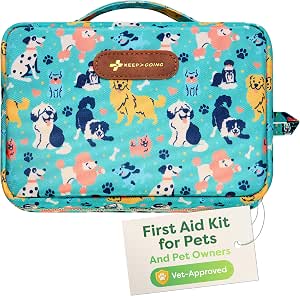
Dog First Aid Kit for Travel Emergencies
It's important to prepare for unforeseeable situations while travelling.

Reduce Shedding with FURminator Conditioner
A well-groomed coat means less mess in your travel space.

Mini GPS Tracker for Cats - Real-Time Location
Tracking your cat eases the stress of travelling together.

Track Your Dog's Location in Real-Time
It helps you keep your pet safe and in check during travels.
Emergency first aid
If you suspect your dog has heatstroke move them to shade or air conditioning immediately. Apply cool water, not ice cold water, to the body. Focus on the neck, armpits, and groin where blood vessels are close to the surface. Do not place a wet towel over your dog. This critical point is often misunderstood. A towel traps heat and humidity against the body and can actually raise body temperature. Use running cool water or wet your hands to apply water directly. Offer water but do not force your dog to drink. Get to a vet as fast as possible while continuing to cool them in transit. Call ahead so the vet can prepare. Even if your dog appears to recover during cooling, internal organ damage may have occurred and veterinary assessment is essential.
The parked car
A car interior reaches dangerous temperatures within 15 minutes on a warm day and within 5 minutes on a hot Australian summer day. This is not a guideline that has exceptions. There is no safe way to leave a dog in a parked car in Australia during warm weather. Not with the windows cracked. Not for five minutes while you grab a coffee. Not in the shade. Not with the air conditioning running if the engine is off. If you cannot take your dog with you, one person stays with the dog. If that is not possible, the dog does not come on that part of the trip. This is non-negotiable.
Prevention on Australian road trips and beach days
Plan exercise in the early morning before 8am and after 5pm in summer. The middle of the day in Australian summer is genuinely dangerous for dogs, particularly in Queensland and the Northern Territory. The seven second pavement test: press the back of your hand to the pavement for seven seconds. If you cannot hold it there, it is too hot for your dog's paws. Dark asphalt, bitumen, and sand can reach temperatures that cause serious paw burns within minutes. Always carry more water than you think you need. Offer it frequently. Dehydration accelerates overheating. A collapsible bowl takes up almost no space and means your dog can drink at every stop. Coling mats and portable shade shelters are worth having on Australian road trips. At rest stops with no natural shade a portable shelter can mean the difference between a safe stop and a dangerous one.
High risk breeds
Brachycephalic breeds with flat faces, including French Bulldogs, Pugs, English Bulldogs, and Cavalier King Charles Spaniels, are at significantly higher risk of heatstroke than other breeds. Their shortened airways make panting less effective as a cooling mechanism. Large and giant breed dogs, older dogs, overweight dogs, and dogs with heart or respiratory conditions are also at higher risk. If your dog falls into any of these categories, apply heat precautions more aggressively and consult your vet before any summer travel in hot Australian regions.
Heatstroke is one of the most preventable causes of dog death in Australia. The precautions are simple. The consequences of not taking them are not. Write to us at hello@pawtrips.com.au if you have a heat safety tip worth sharing.
hello@pawtrips.com.auPlus early access to new guides and partner deals.
No spam. Ever. Just the good stuff for you and your pet.