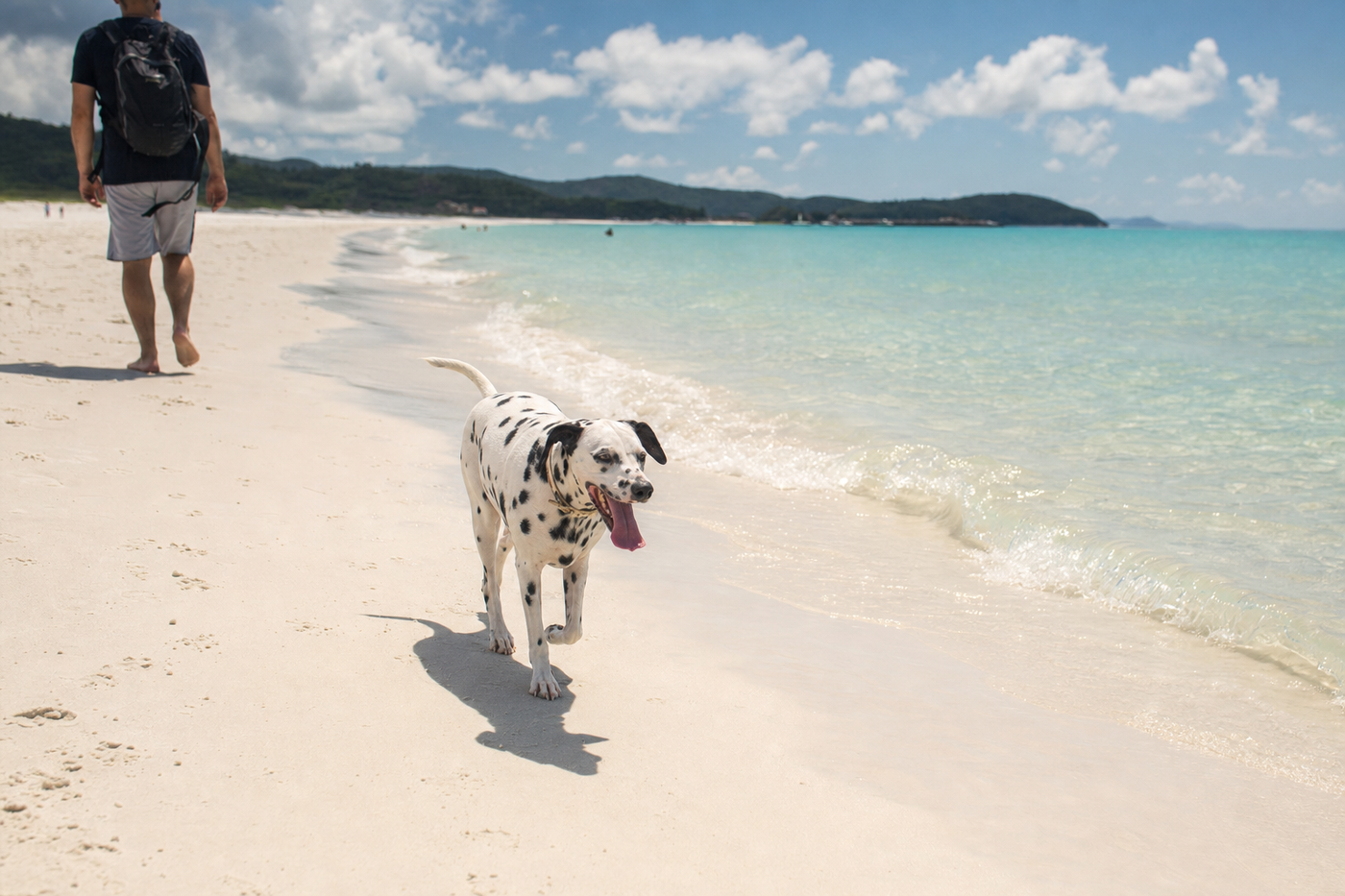
Heatstroke can be fatal. Once a dog's body temperature reaches 42 degrees Celsius, organ failure occurs rapidly. Seek veterinary help immediately if you suspect heatstroke.
Dogs with existing health conditions, obesity, or age-related issues are at higher risk. Consult your vet before travelling with an older dog or one with heart or breathing problems.
Why Australian Heat Is Dangerous for Dogs
Dogs cannot cool themselves the way humans do. They lack sweat glands and rely on panting to regulate body temperature, which becomes useless when the air around them is already hot. In Australia, temperatures regularly exceed 35 degrees Celsius, and on some days in inland areas like Alice Springs or Broken Hill, the mercury hits 45 degrees or higher.
When you're travelling with a dog from Melbourne to Adelaide or exploring the Blue Mountains in summer, you're exposing your dog to serious heat stress. A dog's normal body temperature sits around 38 to 39 degrees Celsius. Once it climbs to 40 degrees Celsius or above, organ damage begins. At 42 degrees Celsius, the situation becomes life-threatening within minutes.
Your dog's breed, age, and fitness level all affect their heat tolerance. Bulldogs, Pugs, and other flat-faced breeds struggle more because their short muzzles make cooling harder. Older dogs and overweight dogs have less ability to manage extreme temperatures. A young, fit Labrador might tolerate heat better than a senior Corgi, but that doesn't mean either is safe in a parked car on a 40-degree day.
Recognising the First Signs of Overheating
Heavy panting is the first thing you'll notice. Your dog's breathing becomes rapid and laboured, sometimes sounding almost panicked. This is normal in mild heat, but if your dog keeps panting heavily even when resting in shade, take it seriously.
Excessive drooling comes next. Your dog might start producing thick, ropey saliva and seem unable to swallow properly. You may also see your dog becoming restless, pacing back and forth, or seeming unable to find a comfortable position. Some dogs lie flat on cool tiles or concrete, refusing to move.
The gums and tongue change colour. Healthy dog gums are pink, but overheating makes them bright red or even purple. The eyes may look glazed or unfocused. Your dog might start vomiting or have loose stools, sometimes with blood. Weakness sets in quickly: your dog struggles to stand or walk, stumbles, or collapses. If you see any of these signs, you're past the prevention stage and into emergency territory.
What we recommend
Some links below are affiliate links. Pawtrips may earn a commission at no extra cost to you.
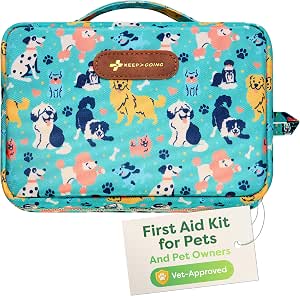
Dog First Aid Kit for Travel Emergencies
It's important to prepare for unforeseeable situations while travelling.

Reduce Shedding with FURminator Conditioner
A well-groomed coat means less mess in your travel space.

Mini GPS Tracker for Cats - Real-Time Location
Tracking your cat eases the stress of travelling together.

Track Your Dog's Location in Real-Time
It helps you keep your pet safe and in check during travels.
Never Leave Your Dog in a Parked Car
This cannot be overstated. Parked cars become ovens in minutes during Australian summer. A car parked in the sun at 30 degrees Celsius reaches 50 degrees Celsius inside within 10 minutes. With windows cracked open slightly, the temperature still climbs to dangerous levels. Your dog's body temperature rises faster than you can imagine.
You might think you'll only be gone five minutes while you grab coffee in a Surfers Paradise café or pop into a shop in Adelaide. Life gets in the way. You get chatting to someone, you need to queue longer than expected, your phone dies so you lose track of time. Those five minutes become fifteen, and your dog is already in serious distress.
If you're travelling with your dog, plan your stops carefully. Only stop at locations where your dog can come inside with you or where there's proper shelter, shade, and water. If you need to visit somewhere your dog cannot go, arrange for someone else to stay in an air-conditioned car with your dog, or don't make that stop at all. No shopping trip or errand is worth risking your dog's life.
Prevention Strategies During Travel and Outings
Keep your car cool. Use air conditioning during any journey longer than 20 minutes, even on days that feel only mildly warm. Air conditioning keeps both you and your dog safe, and modern cars are efficient enough that the fuel cost is worth it. If you're driving to somewhere like the Hunter Valley or the Gold Coast, you might be in the car for several hours, so comfort for your dog is non-negotiable.
Provide constant access to fresh, cool water. Bring a collapsible water bowl and refill it regularly at rest stops. Some travelling dog owners freeze water in a bowl the night before, so it stays cold longer. Never assume your dog will find water at your destination: carry your own.
Time your outings for cooler parts of the day. Early morning before 10am and after 4pm in the afternoon are safer than midday. If you're visiting a beach or park, go early, walk for a short time, and head back. Your dog can enjoy the outing without overheating. On extremely hot days above 38 degrees Celsius, skip outdoor activities altogether. Your dog doesn't need a beach trip badly enough to risk heatstroke.
What to Do If Your Dog Shows Heatstroke Symptoms
Get your dog to a cool place immediately. If you're outdoors, move to shade or indoors with air conditioning. Remove any collar or harness that might restrict breathing. Lay your dog down on cool tiles, a cold floor, or outside on grass in shade.
Start cooling your dog's body. Pour cool (not cold) water over the head, ears, neck, and legs. You can also place cool, damp towels on the back of the neck, under the armpits, and on the inner thighs where blood vessels are close to the skin. If you have access to a bathtub or hose, run cool water but avoid ice-cold water, which can cause shock.
Call a vet immediately. Do this while you're cooling your dog. Every minute counts with heatstroke. Even if your dog seems to recover quickly after cooling, internal damage may still be occurring, and a vet needs to assess your dog. If you're travelling in a remote area like inland New South Wales or far outback Queensland, find the nearest vet and head there straight away. Don't wait to see if your dog improves on its own.
Breed-Specific Heat Considerations
Some breeds are far more vulnerable to heat than others. Flat-faced breeds like Bulldogs, French Bulldogs, Pugs, and Boxers have compromised airways and cannot cool efficiently by panting. These breeds should never be left outside in heat, rarely spend time in the sun, and require careful monitoring on hot days. If you own a breed like this and want to travel in Australia, prepare for the heat more seriously than owners of other breeds.
Double-coated breeds like Golden Retrievers, Labrador Retrievers, and German Shepherds also struggle in extreme heat. Their thick coats trap heat against the skin. While these breeds are popular travel companions in Australia, they need extra protection: shade, water, and air-conditioned spaces. Many owners clip their dogs' coats shorter in summer, though this is debated among breed enthusiasts. Talk to your groomer or vet about whether clipping is right for your dog.
Northern breeds like Huskies and Malamutes are genuinely unsuited to Australian heat. If you own one and live in Australia, you've likely already adapted your lifestyle significantly. Travelling with these dogs in summer is risky and requires exceptional planning: only early morning or evening activities, climate-controlled accommodation, and shorter days overall.
Setting Up Your Dog's Travelling Environment
Your car needs proper ventilation and cooling. Air conditioning is non-negotiable, but also ensure your dog has a secure space where they won't slide around if you brake suddenly. A dog harness that attaches to the seat belt, a travel crate secured with a seatbelt, or a barrier between the back and front seats works well. Your dog should not be able to distract you while driving.
Pack cooling aids. A cooling mat designed for dogs can make a huge difference during stops or at your destination. These mats don't require electricity: they stay cool for hours after activation. Bring multiple collapsible water bowls so you can offer water at every stop without handling dirty bowls. Pack wet towels in an insulated bag with ice packs for emergency cooling if needed.
Research your destination for vet locations. Before you travel, find the closest veterinary clinic to where you're staying. Write down the address, phone number, and opening hours. If you're visiting somewhere like Tasmania or a regional area, there may be limited vet availability, so know this in advance. Some regions have after-hours vet services, while others don't. This information could be crucial if your dog has an emergency.
Long-Term Health After a Heatstroke Incident
Dogs that have experienced heatstroke once may be more susceptible to it in the future. The stress on their organs, particularly the kidneys and liver, can have lasting effects. Your vet might recommend avoiding high temperatures altogether if your dog has a history of heatstroke. This might mean limiting travel to cooler months or choosing destinations with milder climates, like Tasmania or the Southern Highlands.
Monitor your dog for any changes in behaviour or health after a heat-related incident. Some dogs develop anxiety around cars or heat, which is understandable. Be patient and gentle in reintroducing your dog to travel. Short trips in cool conditions, with positive associations like treats and praise, can help rebuild confidence.
Consider preventative measures year-round. Even mild heat can stress a dog that's already had one incident. Keep your home cool, provide plenty of shade outdoors, and always have water available. If you're planning another trip involving heat, discuss it with your vet first and ask about any specific precautions you should take. Your vet knows your dog's health history and can give personalised advice that's far more valuable than general guidelines.
Plus early access to new guides and partner deals.
No spam. Ever. Just the good stuff for you and your pet.