Kennel cough can develop into pneumonia or other serious secondary infections in puppies, senior dogs, or dogs with compromised immune systems. Seek veterinary care immediately if your dog shows difficulty breathing or severe lethargy.
If your dog shows signs of kennel cough during travel, keep them isolated from all other animals to prevent spreading the infection to other travellers' pets and local dogs in your destination area.
What Is Kennel Cough and How Your Dog Catches It
Kennel cough is a highly contagious respiratory infection that spreads between dogs through airborne droplets and direct contact. Your dog can pick it up at dog parks, grooming facilities, boarding kennels, or even during a quick stop at a busy rest area on the Hume Highway. The condition is caused by one or more pathogens, most commonly the bacterium Bordetella bronchiseptica and the parainfluenza virus working together.
When you're travelling with your dog from Brisbane to Sydney or across to Perth, you're exposing them to new environments where kennel cough might be present. Even a short interaction with another dog or a shared water bowl can transmit the infection. The virus survives on surfaces for up to 48 hours, so your dog could catch it from a blanket at a pet-friendly accommodation or a toy left behind by a previous guest.
Most dogs recover within three weeks without treatment, but some develop secondary infections or complications that need veterinary care. The infection is rarely life-threatening in healthy adult dogs, but puppies and senior dogs face higher risks of serious illness.
Recognising Kennel Cough Symptoms in Travelling Dogs
The hallmark sign is a distinctive dry, hacking cough that sounds like your dog is choking or trying to clear a hairball from their throat. You might notice this cough gets worse with excitement or when your dog pulls on the lead, and it can start appearing three to five days after exposure to the virus.
Beyond the cough, watch for lethargy or unusual tiredness, especially if your normally active dog suddenly wants to sleep through your sightseeing stops around the Great Barrier Reef or Melbourne's laneways. Some dogs develop a mild fever, lose interest in food, or produce a white or yellowish nasal discharge. A few dogs sneeze or have watery eyes, though these signs are less common.
The symptoms can persist for several weeks, making your trip less enjoyable if your dog feels unwell. If your dog starts showing these signs during your travels, you should contact a local veterinary clinic rather than waiting until you return home. A vet in Adelaide or Hobart can provide supportive care and rule out more serious conditions like pneumonia or heart problems that might present similarly.
What we recommend
Some links below are affiliate links. Pawtrips may earn a commission at no extra cost to you.
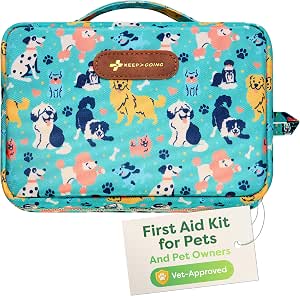
Dog First Aid Kit for Travel Emergencies
It's important to prepare for unforeseeable situations while travelling.

Reduce Shedding with FURminator Conditioner
A well-groomed coat means less mess in your travel space.

Mini GPS Tracker for Cats - Real-Time Location
Tracking your cat eases the stress of travelling together.

Track Your Dog's Location in Real-Time
It helps you keep your pet safe and in check during travels.
Vaccination Is Your Best Defence Before Travelling
The intranasal kennel cough vaccine provides immunity in just two weeks, which is why your vet should administer it at least 14 days before your planned departure. This vaccine protects against the most common culprits, Bordetella and parainfluenza, though it doesn't cover every possible pathogen that causes the condition.
Many pet-friendly accommodations across Australia now require proof of kennel cough vaccination, particularly those that house multiple dogs or offer boarding services. When you're booking your stay at a pet-friendly hotel in Cairns or a farmstay near Yarra Valley, check their vaccination requirements upfront.
Your dog also needs their standard vaccinations current, including the DHPP vaccine, which covers distemper and parvovirus. Book your pre-travel vet appointment about four weeks before you leave, giving enough time for vaccinations, a health check, and any unexpected issues to be addressed before departure. Keep the vaccination certificate with you throughout your travels because some accommodations will ask to see it.
Managing Your Dog's Environment While Travelling
During rest stops along the coast or inland highways, keep your dog away from other dogs as much as possible. Avoid busy dog parks or off-lead areas where multiple dogs gather, especially during peak holiday seasons when travelling dogs from across Australia congregate in popular destinations.
When you're staying at pet-friendly accommodation, ask about the facilities and whether your dog will be in close proximity to other pets. Some places keep dogs in separate areas, while others allow them to mingle in communal spaces. If your accommodation has shared amenities like water bowls or outdoor seating, bring your own portable water bowl and keep it separate from communal supplies.
Ventilation matters more than most owners realise. A car parked in direct sun with the windows up creates a perfect environment for airborne viruses to concentrate. At rest stops, crack the windows or use shade cloth, and try to park away from other vehicles with dogs. When you check into accommodation, ensure the room or cabin has good air circulation and isn't right next to another pet's space.
What to Do If Your Dog Develops Kennel Cough While Travelling
If your dog starts coughing during your trip, contact a local vet as soon as possible rather than assuming it will resolve on its own. Many veterinary clinics across Australia can see travelling dogs with urgent concerns, and a vet in your current location knows the local pathogens and can provide appropriate treatment.
Your vet might prescribe antibiotics if they suspect bacterial involvement, or recommend cough suppressants to make your dog more comfortable. Some dogs benefit from honey or throat lozenges designed for dogs, though these are supportive measures rather than cures. Keep your dog calm and avoid strenuous activities or long walks until the cough subsides.
Isolate your dog from other pets immediately if they show symptoms. Don't visit dog parks, boarding facilities, or communal pet areas. Wash your hands regularly and avoid touching other dogs, as kennel cough can spread to other animals if you're a carrier. Most importantly, keep your vet informed about your dog's progress and follow their advice about whether to continue travelling or rest for a few days.
Post-Travel Care and Monitoring After Your Trip
When you arrive back home in your own state or local area, monitor your dog for any lingering symptoms. Even if your dog seemed fine during travel, symptoms can appear up to two weeks after exposure. Kennel cough has an incubation period, so your dog might develop a cough once you're back at home.
Keep your dog away from other dogs for at least two weeks after returning, especially if they've shown any respiratory symptoms. This includes trips to dog parks, grooming appointments, or visits to friends' homes with other pets. Schedule a follow-up vet appointment about a week after you return if your dog showed any signs of illness during your travels.
Maintain good hygiene practices at home by washing your dog's bedding regularly, disinfecting toys, and keeping food and water bowls clean. If your dog develops a secondary infection or the cough worsens after you're home, your regular vet has all the context about your travels and exposure history to provide better treatment.
Travel Planning: Questions to Ask Before Booking Accommodation
Before you book that pet-friendly caravan park near Uluru or beachside cottage along the Gold Coast, ask about their kennel cough protocols and vaccination requirements. Many establishments now require proof of vaccination, health certificates, or recent vet checks for all travelling pets. Some locations limit the number of dogs or their size to reduce disease transmission risk.
Find out whether your dog will have access to designated pet areas or if they're allowed in common spaces. Ask if bedding, bowls, or toys from previous guests are provided or if you should bring your own. Enquire about nearby veterinary services in case of emergencies. Some remote areas in outback Queensland or Western Australia have limited vet access, so knowing where the nearest clinic is located could be crucial.
When booking accommodation, confirm whether they regularly disinfect pet areas and how frequently they do so. Some places have high turnover with multiple dogs arriving and departing daily, which increases disease transmission risk. A quieter accommodation with fewer dogs might be safer for your travelling companion, even if it's slightly further from major attractions.
Long-Distance Travel: Protecting Your Dog on Multi-Day Trips
Driving across Australia from Melbourne to Darwin or Perth to Brisbane means multiple overnight stops where your dog could encounter other travellers' pets. Plan your route to include pet-friendly accommodation that aligns with your vaccination status and health preparations. Rather than stopping at every rest area, break your journey at designated pet-friendly locations where cleanliness standards are maintained.
During long car journeys, maintain proper ventilation and take regular breaks so your dog can stretch without excessive exposure to other animals. Pack hand sanitiser, disinfectant wipes, and your own water containers to minimise reliance on shared facilities. Keep your dog's records, including vaccination certificates and contact details for your home vet, easily accessible in case you need to seek veterinary care far from home.
Consider the timing of your travels. Holiday periods in popular destinations like coastal towns and mountain areas mean more dogs in closer quarters. Travelling during quieter months or avoiding peak school holidays reduces your dog's exposure to other travelling pets and common viruses. Your dog's stress levels also matter: a calm, well-rested dog has a stronger immune system to fight off infections than a stressed, exhausted travelling companion.
Plus early access to new guides and partner deals.
No spam. Ever. Just the good stuff for you and your pet.