PARALYSIS TICK EMERGENCY: Wobbling hind legs, changed bark, or difficulty breathing after time in coastal bushland is a veterinary emergency. Do not wait. Get to the nearest emergency vet immediately. Every minute matters with tick paralysis.
What paralysis ticks are and why they are so dangerous
The paralysis tick, Ixodes holocyclus, is one of the most dangerous parasites in Australia. A female paralysis tick attached to your dog releases a potent neurotoxin through its saliva that progressively interferes with your dog's nervous system. Unlike other tick-borne illnesses this is not an infection. It is a toxin, and the longer the tick stays attached the more toxin is delivered. Paralysis ticks are found along the east coast of Australia from North Queensland to eastern Victoria, concentrated in bushy coastal areas. They are most prevalent from spring to autumn but can occur at any time of year. In recent years vets across Queensland and NSW have reported year-round cases. An estimated 10,000 domestic dogs are affected by paralysis ticks in Australia every year. Even with intensive veterinary treatment the mortality rate is around 5%. Without treatment the survival rate drops dramatically.
The warning signs
Knowing the signs of tick paralysis can save your dog's life. The toxin typically takes 3 to 6 days after attachment to cause visible symptoms. By the time symptoms appear the tick may have already detached and be difficult to find. The earliest and most important warning sign is wobbling or weakness in the hind legs. This is often the first thing owners notice and it is a veterinary emergency. Do not wait to see if it improves. Other signs include a changed bark or voice that sounds unusual, gagging, retching or vomiting, excessive drooling, difficulty swallowing, laboured or noisy breathing, dilated pupils, and reluctance to move. As paralysis progresses it moves from the hindlimbs to the forelimbs and eventually to the respiratory muscles. A dog that cannot breathe properly due to tick paralysis is in critical danger. Get to a vet immediately. Do not wait for a morning appointment.
What we recommend
Some links below are affiliate links. Pawtrips may earn a commission at no extra cost to you.
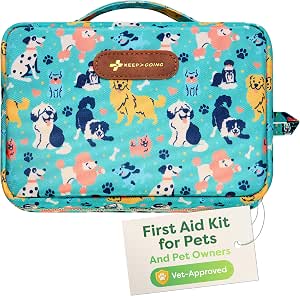
Dog First Aid Kit for Travel Emergencies
It's important to prepare for unforeseeable situations while travelling.

Reduce Shedding with FURminator Conditioner
A well-groomed coat means less mess in your travel space.

Mini GPS Tracker for Cats - Real-Time Location
Tracking your cat eases the stress of travelling together.

Track Your Dog's Location in Real-Time
It helps you keep your pet safe and in check during travels.
What to do if you find a tick
If you find a tick on your dog remove it immediately using a proper tick removal tool. A purpose-designed tick hook removes the tick intact without squeezing the body. Squeezing the body can inject additional toxin. Do not use tweezers, petroleum jelly, methylated spirits, or heat to remove ticks. These methods risk injecting more toxin or leaving the head embedded. After removal, even if your dog shows no symptoms, contact your vet. Signs of paralysis can develop even after the tick has been removed. Your vet needs to know a tick was found so they can monitor appropriately. Keep your dog calm and quiet. Exercise increases the spread of toxin through the body. Cancel the beach walk. Keep them still and get to a vet.
Prevention products
Prevention is significantly more effective and significantly cheaper than treatment. Modern tick prevention products for dogs include monthly chewable tablets such as Bravecto, NexGard, NexGard Spectra, Simparica, and Simparica Trio. Bravecto also comes in a three-monthly chewable and six-month spot-on option. A newer annual injectable called Bravecto Quantum provides 12 months of protection with a single vet visit. No prevention product is 100% effective. The label of every product advises daily tick searches in addition to using the product because it only takes one tick to cause paralysis. Prevention significantly reduces risk but does not eliminate it. If your dog goes swimming or is bathed regularly, avoid spot-on products as they can wash off. Discuss the right product for your dog's lifestyle with your vet before any trip through tick country.
Treatment and costs
Treatment for tick paralysis involves hospitalisation, administration of tick antiserum, and intensive supportive care. Treatment typically costs between $3,000 and $8,000 depending on severity and how long your dog has been affected before reaching a vet. Dogs in severe respiratory distress may require ventilator support, significantly increasing costs. Dogs that are found and treated early generally have much better outcomes and lower treatment costs. This is one of the most compelling reasons Australian pet owners who travel should have pet insurance that covers tick paralysis treatment. The financial burden of an unexpected paralysis tick case is significant and the emotional burden of making treatment decisions based on cost is devastating.
Travelling through tick country
If you are planning a trip through coastal bushland areas of eastern Australia, tick prevention is non-negotiable. Discuss with your vet which product is right for your dog at least two weeks before travel so the product is fully active before you enter tick country. Check your dog from nose to tail every single day during travel in tick areas. Ticks attach anywhere but are most commonly found around the head, neck, ears, and between the toes. A fine-tooth comb through the coat is more effective than hand-checking alone. Know the location of the nearest emergency vet at every overnight stop. Do not search for a vet while your dog is in distress. Have the address and phone number saved before you need it.
Paralysis ticks are one of the most serious risks for travelling dogs in Australia. The cost of treatment is significant and the emotional toll is worse. Prevention and rapid response are everything. Write to us at hello@pawtrips.com.au if you have a tick safety tip worth sharing.
hello@pawtrips.com.auPlus early access to new guides and partner deals.
No spam. Ever. Just the good stuff for you and your pet.