Never leave your puppy unattended in a parked car. On warm days, internal car temperatures can exceed 35 degrees within minutes, causing fatal heat stroke in puppies.
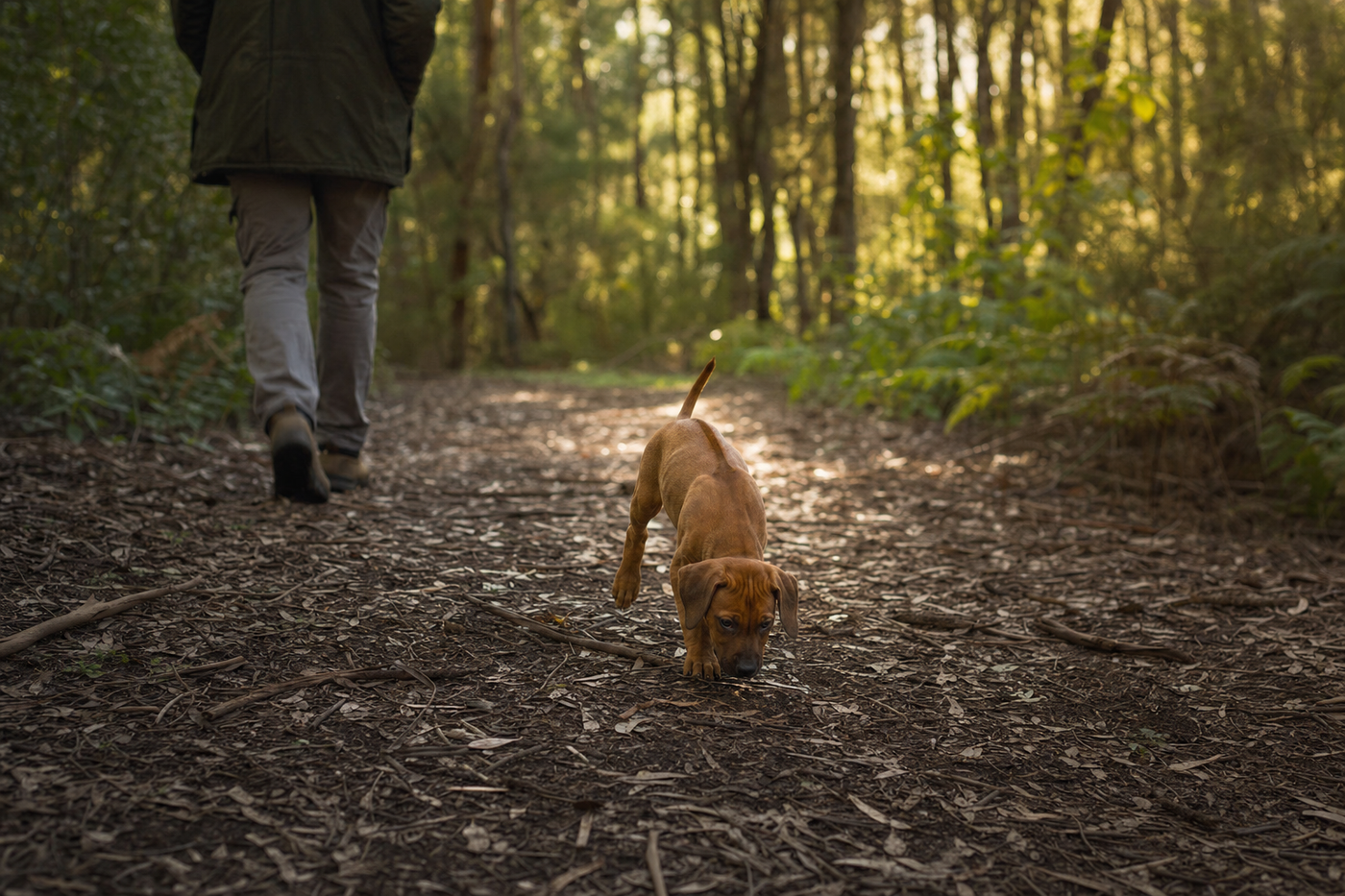
Paralysis ticks are common in Australian coastal and forested areas and can be fatal to puppies. Check your puppy's entire coat thoroughly after stops in bushy or grassed areas, paying special attention to the neck, armpits, and between toes.
The Right Age to Start Travelling with Your Puppy
Your puppy needs to be at least 12 weeks old before travelling anywhere beyond your immediate neighbourhood. At this age, puppies have received their first two vaccination rounds and have enough physical development to handle short car journeys without stress. Before 12 weeks, a puppy's immune system is too fragile and they cannot regulate their body temperature properly during travel.
I learned this the hard way when I tried to take my border collie pup to a friend's place in Neutral Bay at 8 weeks old. The poor thing got carsick and distressed within minutes. My vet explained that young puppies haven't developed the neural connections needed for car equilibrium. Once he hit 12 weeks and had his second shots, I waited another week for his system to settle, then we tried again with much better results.
Your vet should give you the green light once your puppy has completed their second vaccination round and a health check. This typically happens around week 14 to 16. If your puppy has any underlying health issues, your vet may recommend waiting longer before travelling.
Vaccination Requirements Before Your First Road Trip
Before you pack the car and head to the Blue Mountains or down the South Coast, your puppy must have at least two vaccination rounds completed. In Australia, puppies receive their first vaccination at 6 weeks, the second at 10 weeks, and a third booster at 14 to 16 weeks. You need proof of at least the first two before travelling anywhere with other dogs or in public spaces.
I always carry my vaccination record folder in a plastic sleeve in the car, separate from my phone and wallet. Once while driving to Canberra, I got pulled over at a random check near Yass and a ranger asked to see my pup's vaccination papers. Having them ready saved me from a hefty fine. Some national parks and beaches require proof of vaccination before entry.
Don't travel with an unvaccinated puppy, even if you're only driving 20 kilometres inland. A single exposure to parvo or other diseases can be fatal. Your vet will advise you on the exact vaccination schedule for your puppy based on local disease risk in your area.
What we recommend
Some links below are affiliate links. Pawtrips may earn a commission at no extra cost to you.

Stop Bleeding Fast with Kwik Stop for Pets
Having Kwik Stop ensures quick first aid during travels.
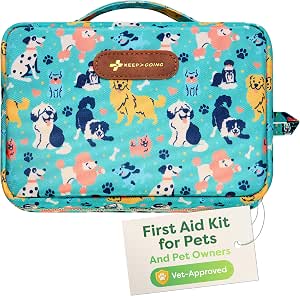
Dog First Aid Kit for Travel Emergencies
It's important to prepare for unforeseeable situations while travelling.

Reduce Shedding with FURminator Conditioner
A well-groomed coat means less mess in your travel space.

Mini GPS Tracker for Cats - Real-Time Location
Tracking your cat eases the stress of travelling together.
Starting with Micro Trips: Building Confidence in the Car
Your puppy's first car journey should be no longer than 15 to 20 minutes. I started my golden retriever with drives to the local park just 5 kilometres away. She sat in a soft crate in the back seat with the windows cracked open, and we stopped after 10 minutes so she could have a quick toilet break. This taught her that cars don't equal disaster.
Gradually extend your trips by 10 to 15 minutes each week once your puppy shows comfort. After three weeks, you can attempt a 45 minute drive. After six weeks, you're ready for longer weekend trips. This slow progression helps their ears adjust to engine noise, their stomach adapt to motion, and their mind realise that car rides end at nice places.
Watch your puppy's body language throughout the journey. If they pant excessively, drool, or whimper, pull over and let them rest. Some puppies get carsick on early trips, but this usually improves with exposure. Never punish a puppy for being nervous in the car, as this creates negative associations that last years.
Essential Gear and Safety Setup for Travelling Puppies
The correct setup in your car can mean the difference between a calm, safe journey and a chaotic, dangerous one. Your puppy needs a secured travel crate or a harness attached to the seat belt. Loose puppies bounce around during braking, jump into the front seat at critical moments, and can cause accidents. I use a soft-sided crate that's secured with the seat belt, and my puppy sleeps through 90 percent of our trips now.
Bring a collapsible water bowl, a bottle of fresh water, and a small blanket with a familiar scent from home. Pack paper towels and a small waste disposal bag in case of motion sickness. Keep the car temperature between 18 and 22 degrees Celsius during travel. A window shade or sunshade prevents overheating and reduces glare that can stress young puppies.
Never leave your puppy alone in a parked car, even for five minutes. On a 25 degree day in Adelaide, a car interior reaches 35 degrees in minutes. I've seen puppies suffer heat stroke and die from this. If you must stop at a shop, either bring your puppy inside or have someone stay with them.
Planning Pit Stops and Managing Your Puppy's Needs
Every hour on the road, you need a 10 to 15 minute pit stop for your puppy to toilet, drink, and stretch their legs. During a drive from Brisbane to the Gold Coast, I stopped at designated rest areas and pet-friendly parks every 60 kilometres. My puppy got a chance to sniff the ground, have a little play, and burn off nervous energy.
Choose rest areas with grassed areas or parks where you can safely let your puppy walk on a short lead. Some service stations along major highways like the Pacific Motorway have designated dog areas. Bring a portable water bowl and offer water at each stop, even if your puppy doesn't ask for it. Puppies can get dehydrated quickly without realising their thirst.
During these breaks, watch for signs of stress or health issues. If your puppy seems extremely anxious or refuses to toilet after two or three stops, consider cutting the journey short and finding accommodation for the night. There's no prize for pushing through a distressed puppy's limits.
Health Checks and Documentation You Must Carry
Before every trip, do a quick health check on your puppy. Look for signs of illness like lethargy, loss of appetite, diarrhoea, or excessive scratching. If anything seems off, postpone your trip and contact your vet. I once noticed my puppy's gums looked pale the morning of a planned drive to Coffs Harbour and called my vet immediately. Turns out she had a minor infection that needed treatment.
Carry these documents at all times: your puppy's vaccination certificate, microchip registration, a recent photo of your puppy, your vet's contact details, and the contact for an emergency vet near your destination. Many puppies go missing during travel due to car accidents or open gates at rest stops. A microchip and clear identification reduce the chances of permanent separation.
Keep a pet first aid kit in the car containing bandages, antiseptic spray, tweezers for ticks, and any medications your puppy takes regularly. Australia has dangerous ticks, particularly in coastal and forested areas. Learning to check your puppy's coat after stopping in bushy areas could prevent paralysis tick poisoning.
Recognising Stress Signals and When to Stop Travelling
Some puppies show obvious signs of stress: excessive panting, whimpering, drooling, or refusing to move when you let them out of the crate. Others display subtle signals like trembling, yawning repeatedly, or pressing their body into a corner. Learn your individual puppy's stress signals so you can respond quickly. My cattledog pup would lick her nose constantly when anxious, a sign I learned to watch for.
If your puppy shows stress signals, pull over immediately in a safe location. Offer water, toilet time, and calm reassurance. Some puppies need 20 to 30 minutes to settle. If the stress doesn't pass after a proper break, end the trip for that day. Pushing through high stress can cause trauma that makes future travel even harder.
Certain puppies simply aren't suited to long car journeys due to anxiety or motion sensitivity. This isn't a failure on your part or your puppy's part. It's just how their nervous system works. Your vet can recommend calming aids or suggest short, frequent trips as an alternative to longer journeys.
Building Positive Associations with Travel and New Environments
Every trip should end somewhere positive. During my puppy's early travels, I always drove to a park where she could run, sniff, and play. This taught her that car trips meant fun adventures, not just stress. After the positive experience, the return car ride felt like a bonus rather than a hardship.
When arriving at a new destination, give your puppy time to adjust before exploring. Spend 30 to 60 minutes in a quiet, safe space with fresh water and their familiar blanket. Let them settle emotionally before introducing them to new people, other dogs, or unfamiliar landscapes. A rushed introduction to a new place can overwhelm a young puppy.
Keep early trips short and local so your puppy doesn't associate long drives with arriving somewhere completely foreign. A 30 minute drive to a friend's place in the next suburb is far less daunting than a four hour drive to a mountain cottage. Build positive memories gradually, and your puppy will eventually look forward to travelling with you.
Plus early access to new guides and partner deals.
No spam. Ever. Just the good stuff for you and your pet.