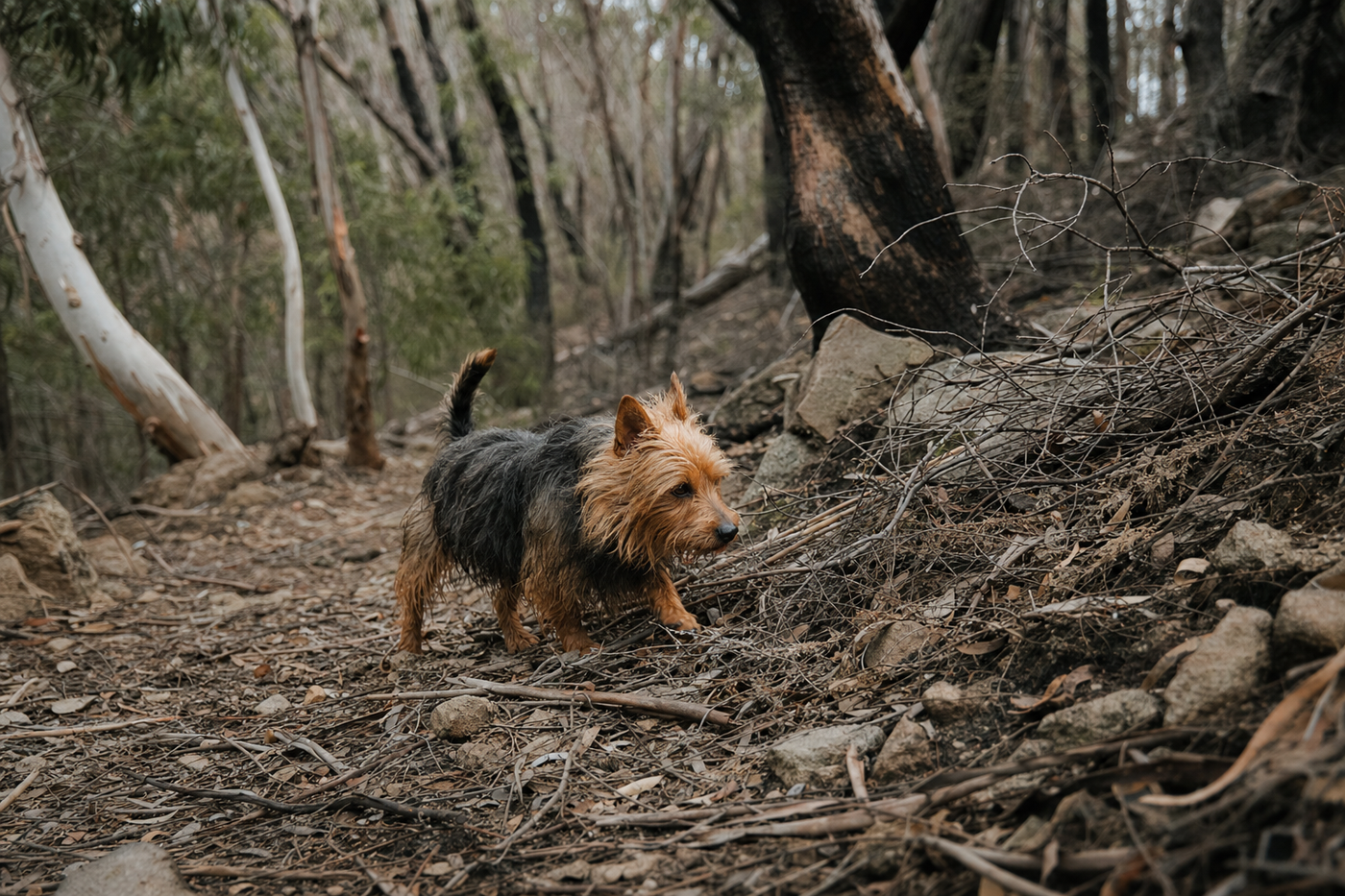
SNAKE BITE EMERGENCY: If your dog collapses suddenly after being outside, keep them still and get to an emergency vet immediately. Do not wait for more symptoms. The window for effective antivenom treatment narrows rapidly. Call ahead so the vet can prepare.
The honest reality of snakes in Australia
Australia is home to more species of venomous snakes than any other country. Seven of the world's ten most venomous land snakes are found here. The Eastern Brown Snake, responsible for the majority of snake bite deaths in Australia, is found across most of the eastern half of the country and is aggressive when threatened. Snakes do not seek out dogs or humans. They bite when they feel threatened, cornered, or stepped on. The vast majority of dog snake bites occur when a dog investigates, chases, or steps on a snake it has encountered. Peak snake activity runs from October through March, coinciding with the warm weather and the busiest period for Australian travel. Approximately 84% of snake bite cases occur during these six months. But snakes can be active year round in warmer parts of Australia, particularly Queensland and the Northern Territory.
The warning signs of a snake bite
Snake bites on dogs are difficult to diagnose because you rarely see the bite happen and the wound is almost impossible to find through fur. The clinical signs are your primary indicator. Signs vary depending on the snake species but typically include sudden collapse followed by apparent recovery, weakness particularly in the hind legs, trembling or shaking, dilated pupils, loss of bladder or bowel control, blood in urine, vomiting, and drooling. The pattern of sudden collapse followed by apparent recovery is a critical warning sign specific to brown snake bites. Many owners see the collapse, watch their dog seemingly recover, and assume everything is fine. The collapse was the venom taking effect. The apparent recovery is temporary. Without treatment the dog will deteriorate rapidly. If your dog collapses suddenly after being outside in an area where snakes may be present, treat it as a snake bite until proven otherwise. Do not wait for more symptoms.
What we recommend
Some links below are affiliate links. Pawtrips may earn a commission at no extra cost to you.
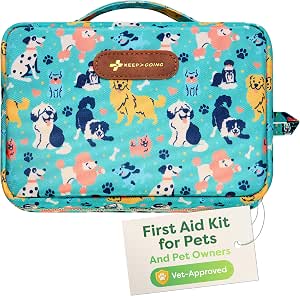
Dog First Aid Kit for Travel Emergencies
It's important to prepare for unforeseeable situations while travelling.

Reduce Shedding with FURminator Conditioner
A well-groomed coat means less mess in your travel space.

Mini GPS Tracker for Cats - Real-Time Location
Tracking your cat eases the stress of travelling together.

Track Your Dog's Location in Real-Time
It helps you keep your pet safe and in check during travels.
What to do immediately
Keep your dog as still and calm as possible. Movement increases blood circulation and speeds the spread of venom through the body. Carry your dog to the car rather than walking them. Keep them still in transit. Do not attempt to suck out the venom. This does not work and puts you at risk if you have any mouth sores or cuts. Do not apply a tourniquet. Cutting off blood supply to a limb causes tissue death and makes outcomes worse. Do not try to catch, kill, or identify the snake. Snakes are protected under Australian law and approaching a snake puts you at serious risk. If you did see the snake and can safely describe its colour and pattern from a distance, tell the vet. This helps them select the right antivenom. Call the vet immediately while someone else drives. Tell them you are coming with a suspected snake bite so they can prepare antivenom.
Treatment
Antivenom is the only specific treatment for snake envenomation. With prompt antivenom treatment the survival rate for dogs is approximately 75%. Without antivenom the outcomes are significantly worse. Treatment also includes intravenous fluids, pain relief, oxygen therapy, and supportive care. Depending on severity dogs may need to be hospitalised for one to ten days. Treatment costs for snake bites in Australia range from several thousand dollars for mild cases to over $10,000 for severe cases requiring extended hospitalisation. This is one of the strongest arguments for pet insurance for dogs that travel through snake country in Australia.
Prevention on Australian road trips
Keep your dog on a leash in long grass, scrub, and areas near water where snakes shelter. A dog on a leash is less likely to stick their nose into a snake's hiding spot than one roaming freely. Be particularly vigilant at dawn and dusk when snakes are most active. Avoid walking dogs through long grass in the early morning without good visibility. Keep campsites tidy. Snakes are attracted to shelter. Tidy campsites with less clutter are less attractive to snakes than ones with gear spread everywhere. Know the location of the nearest emergency vet at every overnight stop. Snake bite treatment requires antivenom which not all vet clinics stock. In remote areas this may mean a significant drive. Know the route before you need it.
Snake bites are a genuine and serious risk for travelling dogs in Australia. Rapid response is the difference between survival and tragedy. Write to us at hello@pawtrips.com.au if you have a snake safety tip worth sharing.
hello@pawtrips.com.auPlus early access to new guides and partner deals.
No spam. Ever. Just the good stuff for you and your pet.