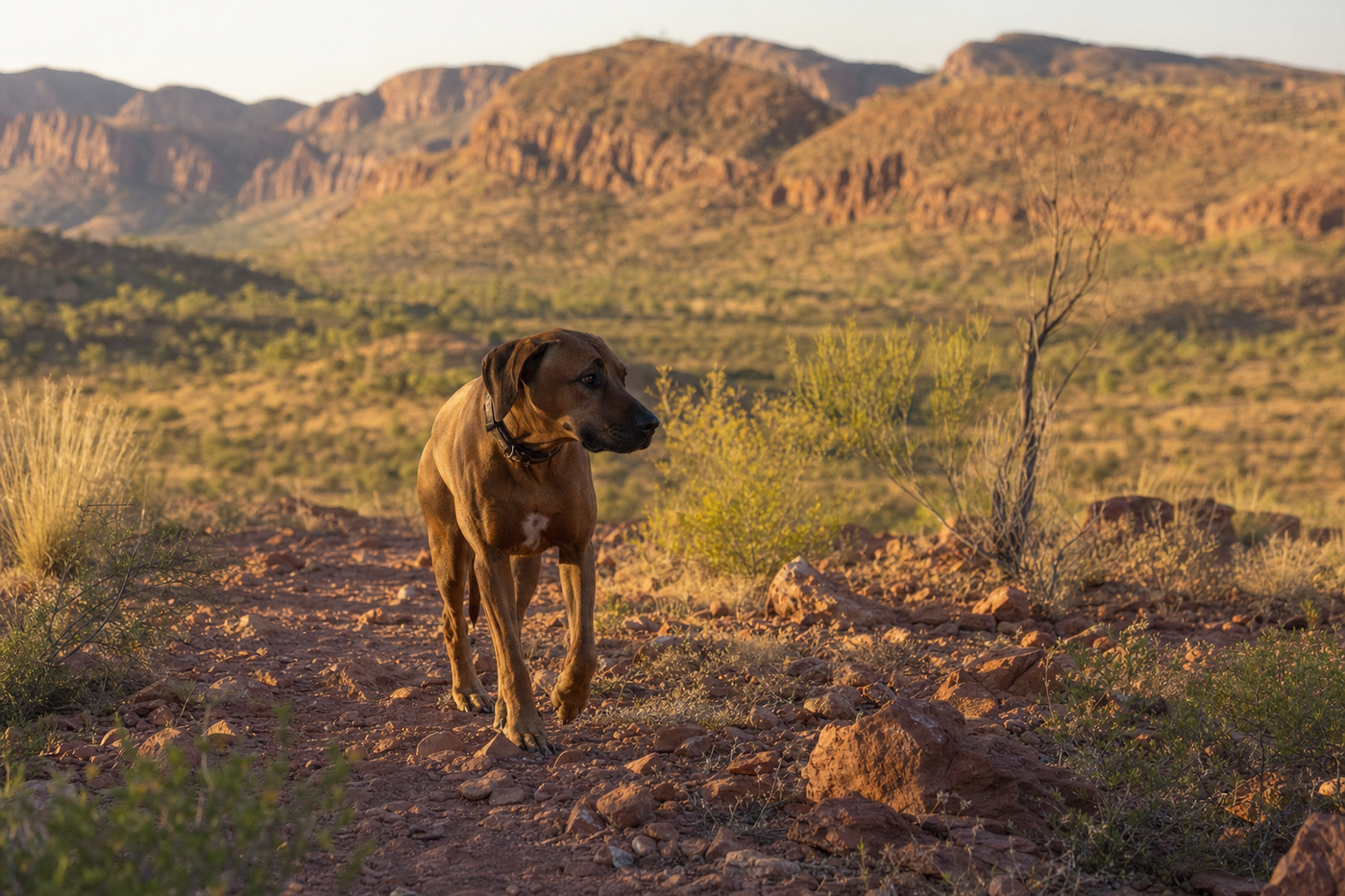
A dog bitten by a brown snake can die within one to three hours without treatment. Get to a vet immediately and call ahead so they can prepare antivenom.
Do not assume a snake will avoid your dog or that your dog will naturally fear snakes. Dogs are curious and snakes are defensive when cornered, creating dangerous encounters.
Why Snakes Matter When Travelling with Your Dog
Australia has more venomous snakes than any other country, and your dog is curious by nature. When you're travelling through rural New South Wales, Queensland, or Western Australia, your dog might encounter snakes in places where you least expect them. I learned this the hard way during a camping trip near Tamworth when my kelpie nearly stuck her nose into a brown snake coiled under a log.
Snakes don't want to fight your dog any more than your dog wants to meet them. Most snakes will move away if they hear you coming. The danger rises when your dog corners a snake, provokes it, or a snake feels trapped. A snake bite to the face or neck can be fatal within hours if you don't get treatment quickly.
Understanding snake behaviour helps you prevent encounters before they happen. Snakes are most active in warmer months from September to April, though you can meet them year-round in warmer regions. Your dog's curiosity and speed make them more likely than you to stumble into a dangerous situation.
Which Snakes Pose the Biggest Risk to Dogs
Brown snakes and tiger snakes cause the most dog bites in Australia. Brown snakes are aggressive when cornered and found across every state. Tiger snakes prefer coastal and wetland areas from South Australia to Far North Queensland. Taipans are the deadliest but live mainly in tropical rainforests of Queensland and the Northern Territory, so most travelling dogs won't encounter them.
Red-bellied black snakes are common in New South Wales and Victoria but tend to be less aggressive than browns. Copperheads appear in cool, damp regions of the south and can be aggressive if threatened. Your dog's size doesn't protect them: even large dogs can die from a brown snake bite if venom reaches the bloodstream.
Before you travel to any region, spend ten minutes learning which snakes live there. Queensland Parks and Wildlife has a searchable database, as does each state's wildlife authority. Knowing what snakes look like helps you teach your dog to avoid them, and it helps you describe the snake to a vet if a bite happens. Take a photo of any snake you see and report it to local wildlife services: this information helps protect the whole community.
What we recommend
Some links below are affiliate links. Pawtrips may earn a commission at no extra cost to you.

Stop Bleeding Fast with Kwik Stop for Pets
Having Kwik Stop ensures quick first aid during travels.
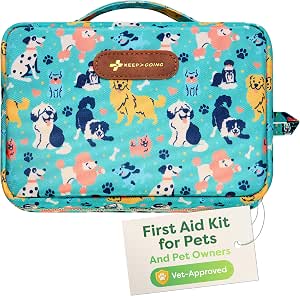
Dog First Aid Kit for Travel Emergencies
It's important to prepare for unforeseeable situations while travelling.

Reduce Shedding with FURminator Conditioner
A well-groomed coat means less mess in your travel space.

Mini GPS Tracker for Cats - Real-Time Location
Tracking your cat eases the stress of travelling together.
Setting Up Camp to Avoid Snake Encounters
Your campsite setup directly affects your snake risk. Clear a radius of at least three metres around your tent by removing fallen logs, leaf litter, and dense grass. Snakes hide in these spots to hunt mice and rabbits, so removing their shelter removes them. I always walk the area in circles, watching for movement and listening for the distinctive warning rattle of a brown or tiger snake.
Pitch your tent away from rocky outcrops, creek banks, and the edges of scrub. Snakes shelter in rocks to regulate body temperature, especially during cooler nights. Creek banks attract snakes hunting for frogs and water-dwelling prey. Keep your campfire away from your sleeping area, and never leave food scraps around your tent.
Store your dog's food in a sealed container or bring it inside your tent at night. Scattered food attracts rats and mice, which attract snakes. During the day, keep your dog on a lead within three metres of camp. Many dog owners underestimate how far a dog will wander in search of interesting smells. At night, your dog sleeps inside the tent with you, not outside where snakes move in the darkness hunting small animals.
Training Your Dog to Avoid Snakes
Your dog won't naturally fear snakes, so you need to teach them. The most effective method is snake aversion training, offered by professional trainers in most capital cities and regional towns. During training, your dog encounters snakes in controlled conditions and learns that snakes mean discomfort. Trainers use a gentle electric stimulus paired with the sight and smell of snakes. This isn't cruel: the feeling is unpleasant but not painful, and it saves your dog's life.
Snake aversion training costs between two hundred and five hundred dollars depending on your location and the trainer's experience. The training lasts around an hour, and one session is usually enough. Your dog remembers the lesson for years. Many travelling dog owners book this before any major trip through snake country.
Without formal training, you can still reduce risk through management. Keep your dog on a short lead in areas with long grass, scrub, or near water. Teach a reliable recall so your dog returns instantly when you call. Never encourage your dog to chase wildlife or dig in soft ground where snakes rest. Praise your dog for calmly walking past interesting smells rather than investigating them.
Recognising and Responding to Snake Bites
A snake bite might not show obvious puncture marks, especially on dogs with thick fur. Watch for sudden lameness in one limb, rapid swelling, vomiting, or difficulty breathing. Some dogs collapse within ten minutes; others seem fine for an hour before symptoms appear. I once met a beagle owner in Adelaide whose dog was bitten on the paw by a tiger snake but seemed normal for twenty minutes before her leg swelled to twice its size.
If you see a snake bite your dog, stay calm and get moving to a vet immediately. Do not apply tourniquets, ice, or pressure bandages. Do not try to catch or kill the snake. The vet needs to know which snake bit your dog if possible, but getting to the vet is more important than providing a perfect identification.
Call ahead to the nearest emergency vet clinic if you're in a remote area. Some rural clinics don't stock snake antivenom because it's expensive and has a short shelf life. Vets in Darwin, Cairns, Brisbane, Sydney, Melbourne, and Perth all stock multiple antivenom types. If you're camping more than two hours from a vet clinic, you're at serious risk. Consider staying in towns with veterinary services if snake season is active.
First Aid Basics for Snake Bites Before You Reach a Vet
Your immediate actions after a snake bite affect your dog's survival chances. Keep your dog as still as possible because movement spreads venom faster through the lymphatic system. Carry your dog to the car if they're small enough, or lead them very slowly if they're large. Panic and rushing around increases their heart rate and accelerates venom circulation.
Apply a pressure immobilisation bandage if you carry one in your first aid kit. This means wrapping a firm bandage tightly around the bitten limb, starting at the paw and moving up the leg. The bandage should be tight enough that you can't slip a finger underneath. Immobilise the limb with a makeshift sling or splint using your scarf, lead, or a rolled-up jumper. This technique slows venom spread significantly.
Do not wash the bite area, apply heat, or use a phone camera flash near your dog's eyes. Do not give your dog food or water. Do not apply ice directly to the skin. Drive carefully to the vet, keeping your dog calm. Text or call the vet clinic as you're driving so they can prepare antivenom and equipment. If your dog stops breathing before you reach the vet, start CPR with thirty chest compressions followed by two rescue breaths, repeating until you arrive.
Planning Your Route and Timing Around Snake Season
Snake activity peaks from September to April when temperatures climb above twenty degrees. In tropical regions like Cairns and Darwin, snakes are active year-round. In cooler southern regions like Tasmania and southern Victoria, snakes become rare from May to August. Plan major camping trips during cooler months if you're anxious about snakes, or accept higher risk during warmer months.
Highways and major roads in New South Wales, Victoria, and Queensland see fewer snakes than back roads and hiking tracks. If you're driving from Melbourne to Sydney in October, you might encounter more snakes at roadside campsites than on the highways themselves. Research your specific camping locations: some popular dog-friendly caravan parks in snake-prone areas hire professional snake handlers to patrol grounds during warm months.
Time your walks for early morning or late afternoon when snakes are less active. Avoid walking through long grass, scrub, or near water during the middle of the day when snakes hunt for prey. Stay on cleared paths and walking tracks where snakes are more likely to move away before you arrive. If you're hiking in snake country, make noise as you walk: talk to your dog, clap occasionally, or attach a small bell to your dog's collar. Snakes feel vibrations and will usually move away from the disturbance.
Building a Snake Safety Kit for Your Travels
Assemble a small kit before you leave home containing items that help with snake safety and emergency response. A pressure immobilisation bandage should be your first item: these are specially designed bandages about ten centimetres wide that stick to fur and fur. Purchase them from your vet or online for fifteen to thirty dollars. Include two or three so you have backups.
Add a reliable torch to your kit because many snakes are active at dusk and night. A headlamp works better than a handheld torch when you're checking campsites in the dark. Include tweezers for removing ticks, which transmit serious diseases and are common in the same habitats as snakes. Pack a pet first aid kit with antiseptic solution, sterile gauze, and pain relief medication approved by your vet.
Store a list of emergency vet clinics in every region you plan to visit. Write down their phone numbers, addresses, and after-hours procedures. Many rural vets don't have full twenty-four-hour emergency services, so knowing in advance whether your nearest clinic closes at six in the evening matters. Keep your dog's vaccination records and microchip number accessible in case you need to admit your dog to an unfamiliar clinic in an emergency.
Plus early access to new guides and partner deals.
No spam. Ever. Just the good stuff for you and your pet.