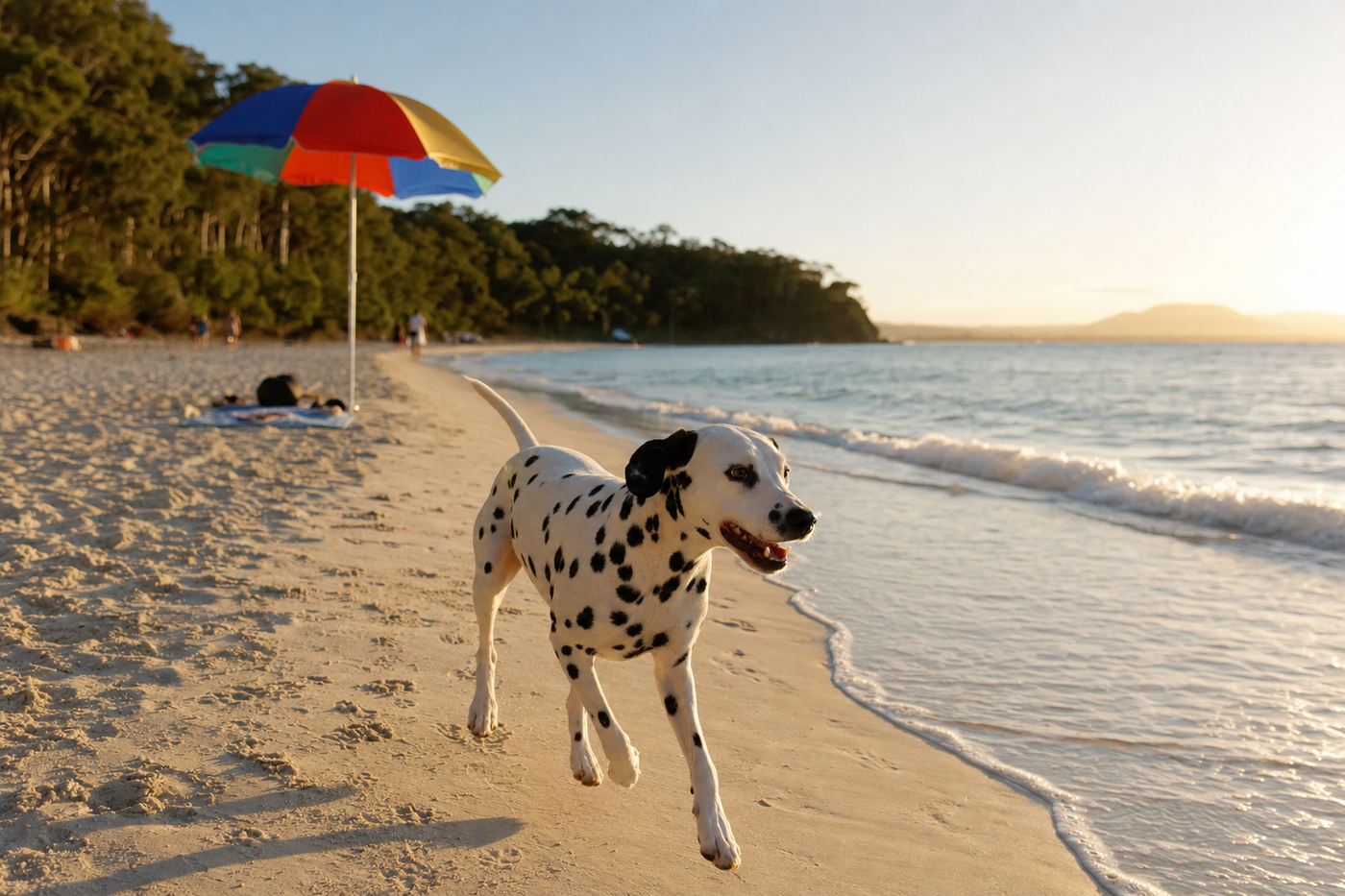
Heat stroke can kill a dog within hours. Signs include uncontrollable panting, vomiting, lethargy, or collapse. Move to shade, apply cool water, and contact a vet immediately.
Parked cars reach lethal temperatures in minutes during Australian sun, even with windows cracked. Never leave your dog unattended in a vehicle.
Why Australian sun is different for dogs
Australia's UV index reaches dangerous levels fast, especially in summer. I learned this the hard way when my Golden Retriever came back from a beach walk in Byron Bay with pink, sore patches on her nose and ears. The sun reflects off sand and water, doubling exposure. Dogs with thin or light-coloured coats burn easily, but even dark-coated dogs can develop sun damage underneath. Skin cancer in dogs happens more often than most owners realise, and it starts with preventable burns. Unlike humans, dogs cannot tell you when their skin hurts until damage is already done.
Which dogs need the most protection
Short-haired and hairless breeds like Staffordshire Bull Terriers, Greyhounds, and Whippets are most vulnerable to sunburn. White and cream-coloured dogs have less pigment to protect their skin, so they need extra care. Breeds with pink noses like Bull Terriers and some Boxers are especially at risk on their snouts. Older dogs have thinner skin and less natural protection. Dogs recovering from surgery or with existing skin conditions burn faster too. Even fluffy dogs like Golden Retrievers and Labradors can get sunburned on their ears, bellies, and paw pads where the coat is thinner. If your dog falls into any of these categories, you need a solid sun protection plan before travelling around Australia.
What we recommend
Some links below are affiliate links. Pawtrips may earn a commission at no extra cost to you.
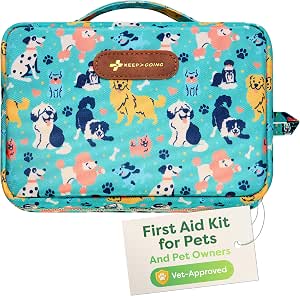
Dog First Aid Kit for Travel Emergencies
It's important to prepare for unforeseeable situations while travelling.

Reduce Shedding with FURminator Conditioner
A well-groomed coat means less mess in your travel space.

Mini GPS Tracker for Cats - Real-Time Location
Tracking your cat eases the stress of travelling together.

Track Your Dog's Location in Real-Time
It helps you keep your pet safe and in check during travels.
Sunscreen for dogs: what actually works
Pet-safe sunscreen is not the same as human sunscreen. Human sunscreen contains zinc oxide or other ingredients that are toxic to dogs when they lick it off, which they always do. Look for dog sunscreens with SPF 30 or higher. Brands available in Australia include Epi-Pet and other veterinary-approved options you find online. Apply sunscreen to ears, nose, belly, paw pads, and any thin-furred areas at least 15 minutes before sun exposure. Reapply every two hours if your dog is swimming or playing in water. Sunscreen works best as one layer of protection, not as your only defence. On a trip to the Gold Coast last summer, I used sunscreen on my dog's nose and ears combined with shade time, and she stayed comfortable all week.
Shade and shelter when travelling
The simplest sun protection is shade. A beach umbrella or portable shelter creates a safe zone for your dog on trips to the beach or park. Most pet-friendly accommodation in Australia has shaded outdoor areas, but check before you book. If you are camping, set up a shaded tent or tarp where your dog can rest during peak sun hours between 10am and 3pm. Car parks should have trees or shelters. Never leave your dog in a parked car, even with windows down. The temperature inside a car in Australian summer reaches 50 degrees Celsius in minutes. I always travel with a portable pop-up shade tent now. It weighs under 2 kilograms and fits in my boot alongside water bowls and frozen treats.
Heat stress versus sunburn: spotting the difference
Sunburn on dogs looks like redness, peeling skin, or blistered patches, usually on ears, nose, and belly. Heat stress shows different signs: heavy panting, drooling, lethargy, vomiting, or collapse. Both are serious but need different responses. Sunburned skin should be cooled gently with lukewarm water and kept dry. Apply aloe vera designed for pets if you have it. Heat stress is a medical emergency requiring immediate veterinary attention. Dogs cannot cool themselves through sweating like humans do. Instead, they rely on panting and need external cooling. If your dog shows signs of heat stress on a trip to Cairns or the outback, find a vet immediately and move to air conditioning or shade right away.
Planning trips during cool months
The smartest approach is timing. Australia's cooler months are April through September. If you travel to Queensland, Northern Territory, or northern New South Wales during summer, you are fighting the heat constantly. Winter trips to these regions are better. My family discovered this when we booked a winter trip to Far North Queensland in June and saw wildlife, hiked, and swam without worrying about heat at all. Southern Australia like Melbourne and Adelaide stay pleasant from May to October. Even dogs that love heat need breaks. If you must travel in summer, stay near beaches where sea breezes help, choose accommodation with strong air conditioning, and keep outdoor activities to early morning or evening. Winter travel gives you more flexibility and your dog stays healthier overall.
Water, cooling, and daily routines
Water prevents both dehydration and overheating. Carry at least two litres per day for a medium-sized dog on trips, more in hot weather. Frozen water in ice bottles cools your dog when they rest against it. Some dogs enjoy paddling in creeks or water holes during walks. Cooling mats provide relief when you are indoors or camping. Freeze a damp towel and let your dog lie on it. Wet their paws and belly with cool water regularly. Never use ice-cold water as it can shock their system. Morning walks before 9am and evening walks after 5pm keep your dog active without heat exposure. Midday should be quiet time with rest, shade, water, and indoor activity. This routine works on every trip I take through Australia, from staying in Byron Bay to exploring Adelaide Hills.
When to visit a vet about sun damage
If your dog develops blistered skin, oozing patches, or dark crusty areas after sun exposure, see a vet within 24 hours. Persistent redness that does not fade after cooling suggests deeper damage. Any sign of skin cancer like lumps, discolouration, or growths needs professional assessment. Vets can recommend treatments and stronger protective measures for future trips. I took my dog to a vet in Sunshine Coast after a particularly bad burn and got prescription-strength advice tailored to her. Regular skin checks at your normal vet during routine visits catch problems early. Some areas develop sunburn repeatedly and may need to be tattooed or permanently protected with special clothing. Your vet knows your dog's skin type and risk level, so discuss sun protection during annual check-ups before planning summer travel.
Plus early access to new guides and partner deals.
No spam. Ever. Just the good stuff for you and your pet.