
Never leave your cat unattended in a parked vehicle. Australian temperatures can become life-threatening within minutes, even with windows partially open.
If your cat shows signs of urinary blockage, severe lethargy, or laboured breathing during travel, seek emergency veterinary care immediately as these indicate serious health crises.
Why Cats Get Anxious When Travelling
Cats are creatures of habit and they really dislike change. When you take your cat out of familiar surroundings, their stress levels spike because they lose the scent markers and territorial landmarks they rely on to feel safe. A car ride to the vet is different from a road trip to the Blue Mountains or a flight to Tasmania, but your cat's brain registers all of them as threats.
Your cat's anxiety during travel comes from not knowing what comes next. Unlike dogs, who often find new experiences thrilling, cats prefer predictability. They worry about where the litter box is, where they'll sleep, and whether their favourite hiding spots exist in this strange new place. Understanding this helps you approach the problem with empathy rather than frustration.
Starting the Process Four Weeks Before Travel
Begin your preparation a full month before your trip if possible. Start by getting your cat used to their travel carrier at home. Leave it out in the lounge room with the door open, and place treats and toys inside so your cat explores it on their own terms. This takes the mystery out of the carrier and stops it becoming a symbol of trouble.
Around week three, take your cat on very short car journeys. Drive around the block for five minutes, then return home. Do this every few days so your cat learns that car rides don't always mean a scary vet visit. Week two is the time to start using calming products like Feliway spray in the carrier and car, which mimics natural feline pheromones and genuinely helps reduce stress.
What we recommend
Some links below are affiliate links. Pawtrips may earn a commission at no extra cost to you.
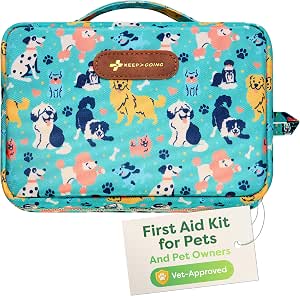
Dog First Aid Kit for Travel Emergencies
It's important to prepare for unforeseeable situations while travelling.

Reduce Shedding with FURminator Conditioner
A well-groomed coat means less mess in your travel space.

Mini GPS Tracker for Cats - Real-Time Location
Tracking your cat eases the stress of travelling together.

Track Your Dog's Location in Real-Time
It helps you keep your pet safe and in check during travels.
Choosing the Right Carrier for Your Cat
Your carrier choice makes a genuine difference to your cat's travel experience. Soft-sided carriers feel more den-like and are often less intimidating than hard plastic boxes. Make sure the carrier is airline-approved if you're flying, and large enough that your cat can turn around and lie down comfortably. A cramped carrier for a six-hour journey will only increase anxiety.
Line the carrier with bedding that smells like home. An old blanket or t-shirt you've worn works perfectly. Leave the carrier accessible at home for weeks before travel so your cat associates it with safety rather than trauma. Some cats prefer carriers with mesh windows on multiple sides so they can peek out and watch what's happening around them.
Managing Your Cat During the Journey
During a car trip, keep the interior temperature comfortable and the noise level low. Don't play loud music or have heated discussions while driving with an anxious cat. Many cats benefit from having a covered area within the car where they can retreat and feel hidden. Use window shades to reduce the visual overstimulation from passing traffic.
Never leave your cat unattended in a parked car, even for ten minutes. Australian temperatures can become dangerous quickly, especially in Adelaide, Perth, or the interior during summer. Offer water every couple of hours, but don't force your cat to eat. A stressed cat often refuses food, and that's normal. Plan your route to include rest stops every two hours where your cat can use a portable litter tray you've brought along.
Setting Up Your Accommodation for Maximum Comfort
When you arrive at your destination, resist the urge to let your cat explore right away. Instead, set up one room or area of your accommodation as your cat's base camp. This could be a bedroom, lounge corner, or even the bathroom. Place the litter box in one corner, food and water bowls away from the toilet area, and familiar bedding in another spot. Hang some clothing you've worn to add your scent to the space.
Let your cat adjust to this smaller area for at least a few hours before allowing access to the rest of the property. Many anxious cats feel overwhelmed by too much space. Once they've gained confidence in their base camp, they'll naturally start to explore. Keep this room or area as a safe retreat throughout your stay where your cat can retreat whenever they feel stressed.
Products and Tools That Actually Help
Feliway spray is one product that veterinarians genuinely recommend for anxious cats. It contains synthetic cat pheromones that calm the nervous system. Spray it in the carrier, the car, and your accommodation before your cat arrives. You'll need to reapply it every few hours during travel days.
Consider consulting your vet about short-term anti-anxiety medication. Some cats benefit from mild sedation during long journeys, though this needs to be prescribed and discussed beforehand. A pet first aid kit specific to cats is also essential when travelling any distance from your home veterinarian. Keep your regular vet's contact details and research emergency vet clinics in your destination before you travel. If you're staying in Brisbane, Sydney, or Melbourne for an extended period, find a local emergency vet clinic that your cat could visit if needed.
Maintaining Routine and Diet During Travel
Your cat's routine keeps their anxiety manageable. Feed them at the same times you do at home, even if meal times feel unusual in your new location. Bring enough of their regular cat food from home to last the entire trip if possible. Switching cat food while travelling adds digestive stress on top of anxiety.
Keep play sessions and cuddle time consistent. If your cat normally plays with a feather toy at five in the afternoon, do that at five in the afternoon while travelling. Predictability is your strongest tool. Use the same scratching post, cat bed, or blanket from home. These familiar objects help your cat recognise that even though the location changed, their life structure hasn't.
When to Seek Help From Your Veterinarian
Contact your vet before travel if your cat shows severe anxiety symptoms like refusing to eat, constant meowing, or attempts to escape. Your vet might recommend anti-anxiety medication specifically for the travel period. Some cats benefit from a single dose before a long car journey or flight. Others need medication for the entire duration of the trip.
If your cat starts showing new behavioural issues during travel, like inappropriate toileting or aggression, don't wait. Find a local vet clinic quickly and get your cat checked. Sometimes stress triggers health issues like urinary blockages or gastroenteritis that need immediate attention. When you book your pet-friendly accommodation, always ask for nearby vet clinic recommendations. Towns like Coffs Harbour, Hobart, and Adelaide all have 24-hour veterinary services if you need them.
Plus early access to new guides and partner deals.
No spam. Ever. Just the good stuff for you and your pet.