Never leave a dog unattended in a parked vehicle in Australia. Heat can become lethal within minutes, even on mild days.
If your dog shows signs of severe distress (persistent panting, drooling, vomiting, or loss of consciousness), pull over immediately and contact an emergency vet clinic.
Why Dogs Get Anxious When Travelling
Dogs don't understand that a car journey to the beach near Noosa or a road trip to the Blue Mountains is meant to be fun. What they experience is a sudden change in their environment, unfamiliar sounds, motion, and loss of control. Your dog's senses are overwhelmed when you leave the house, and anxiety is their natural response to uncertainty.
Some dogs have always been nervous, while others develop travel anxiety after a single bad experience. I learned this the hard way when my kelpie mix had a panic attack on a drive to Adelaide. She'd been fine in the car before, but after that trip she trembled at the very sight of her collar. Now I understand that travel anxiety isn't something your dog chooses or something you can scold away. It's a real physiological response that needs actual solutions.
Building Positive Car Associations Before Your Trip
Start training your dog to love the car at least two to three weeks before any planned travel. Open the car doors and let your dog explore the vehicle while parked in your driveway with the engine off. Reward her with treats and praise when she hops in voluntarily. This removes the mystery and makes the car feel like a safe space, not a prison.
Once your dog is comfortable just being in the car, start the engine for ten seconds while she sits inside. Don't go anywhere. Repeat this daily for a week. Then take her on five minute drives to a nearby park. The key is building positive associations gradually, not forcing your dog into a stressful situation and expecting her to be fine. By the time you're ready for a 500 kilometre journey across Queensland, your dog's brain will recognise the car as a place where good things happen.
What we recommend
Some links below are affiliate links. Pawtrips may earn a commission at no extra cost to you.
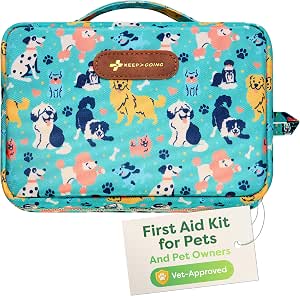
Dog First Aid Kit for Travel Emergencies
It's important to prepare for unforeseeable situations while travelling.

Reduce Shedding with FURminator Conditioner
A well-groomed coat means less mess in your travel space.

Mini GPS Tracker for Cats - Real-Time Location
Tracking your cat eases the stress of travelling together.

Track Your Dog's Location in Real-Time
It helps you keep your pet safe and in check during travels.
Exercise Your Dog Before Departure
A dog with pent up energy will be anxious and restless in the car. Two hours before you leave for your trip, take your anxious dog for a solid 45 minute walk or run. This isn't a casual stroll around the block. Walk briskly, play fetch, or take her to a dog park where she can run freely with other dogs. The goal is physical exhaustion.
When a dog's body is tired, her nervous system settles down. She'll be more likely to sleep in the car rather than pace, pant, and whine. On a road trip from Brisbane to Byron Bay, I always stop at a decent park before getting on the motorway. Twenty minutes of real play makes the difference between a dog sleeping peacefully for the first two hours and a dog destroying the car with stress. This is non negotiable for anxious dogs.
Create a Safe Space Inside the Car
Your dog needs a designated spot in the vehicle that feels like her own territory. Use a travel crate, car seat, or harness system that keeps her secure and contained. An anxious dog feels safer when she's not sliding around, not able to jump between front and back seats, and not worrying about being thrown off balance in corners.
Set up this space with familiar items: her favourite bed from home, a worn piece of your clothing, and one or two favourite toys. Don't introduce new toys on the day of travel. The familiarity reduces stress. The crate or seat also prevents your dog from distracting you while driving, which is a safety issue on busy Australian highways. A loose dog in a vehicle is a danger to everyone inside.
Temperature Control and Fresh Air
An overheated dog is a panicked dog. Keep your car cool, especially when travelling through inland Australia during summer. Aim for between 18 and 22 degrees Celsius if your dog will tolerate air conditioning. Some anxious dogs dislike artificial cold air, so crack a window slightly to allow fresh air circulation instead.
Never leave your dog in a parked car, even for five minutes, even with windows down. The temperature inside a car parked in the sun can reach dangerous levels in minutes. Plan all your stops so that someone stays with your dog, or find dog friendly accommodation and leave her safely inside with water. When driving through the Northern Territory in October, the heat builds quickly. Know the temperature sensitivity of your individual dog and plan your driving times accordingly. Early morning and late afternoon drives are cooler and less stressful.
Using Calming Aids and Supplements
Some anxious dogs benefit from supplements like L theanine or magnesium, which promote relaxation without drowsiness. Start these at least one week before travel so you understand how your dog responds. Others respond well to dog appeasing pheromone sprays, which mimic calming chemicals that mother dogs produce for puppies. These are available at most Australian pet shops and work remarkably well for some dogs.
Talk to your vet before your trip about prescription calming medications if your dog's anxiety is severe. A light sedative prescribed by a vet is sometimes the most humane option for a dog with extreme travel phobia. There's no shame in this choice. Your vet can recommend the safest option based on your dog's age, weight, and health. Never give your dog human anxiety medication or buy sedatives online. This is dangerous and often ineffective.
Stopping Regularly and Managing Rest Stops
On a long drive, stop every 90 minutes to let your anxious dog toilet, stretch, and burn nervous energy. Pull off at a rest area or small town park where your dog can walk on lead for ten to fifteen minutes. Don't expect your dog to toilet on command in an unfamiliar place. Sometimes she'll need three or four stops before she actually goes. Bring water and a portable bowl so your dog stays hydrated, especially on drives through dry regions like the outback.
When you stop, keep your dog on lead at all times. Use a harness with a secure clip rather than a collar, as anxious dogs sometimes bolt when scared. Stay with her and keep her calm. Some dogs feel safer when their owner walks beside them rather than being left alone while the owner waits in a café. Know your dog's personality and plan your stops accordingly. A dog who panics when you walk away needs you present. One anxious road trip to Uluru taught me this lesson fast.
Arriving at Your Destination Safely
When you arrive at accommodation, don't immediately release your dog into an unknown space. Keep her on lead and let her explore room by room at her own pace. This is especially important with rental properties or pet friendly hotels like those listed on Pawtrips. Your dog doesn't know the boundaries of the space, where exits are, or whether other animals might be present.
Set up her safe space immediately: her bed in a quiet corner, access to water, and familiar toys. If your accommodation allows it, stay in the room for at least an hour before going out. This gives your anxious dog time to settle and realise this new place is safe. Many travelling dogs have anxiety about being left alone in new spaces, so don't rush to go sightseeing on day one. Your dog's emotional wellbeing matters as much as your holiday plans.
Plus early access to new guides and partner deals.
No spam. Ever. Just the good stuff for you and your pet.