Blue-green algae blooms are toxic to dogs and can cause severe illness or death within hours of exposure. Never enter water with visible algae or active council warnings.
Silent drowning occurs without splashing or obvious signs. Never take your eyes off your dog in or near water, as exhaustion can happen suddenly and rapidly progress to a life-threatening emergency.
Why Water Safety Matters for Travelling Dogs
When I took my kelpie mix to Noosa Beach for the first time, she bolted straight into the ocean without hesitation. I realised I had no idea if she could actually swim or what dangers lurked in that water. Dogs are naturally drawn to water, especially on hot days, but this instinct doesn't mean they're safe in every situation.
Australian beaches, rivers, and lakes present specific hazards that tourists often don't know about. Blue-green algae blooms can poison a dog within hours. Saltwater causes dehydration and digestive upset. Cold mountain streams drain body heat faster than you'd expect. Rips and currents in ocean water can exhaust even fit dogs. Understanding these dangers before you travel means your dog gets to enjoy water without you spending the trip in constant panic.
Salt Water and Beach Safety
Salt water beaches like those at Byron Bay, the Gold Coast, and Fremantle create specific challenges for dogs. When dogs swim in ocean water, they inevitably swallow some salt, which draws water from their intestines and causes diarrhoea. This isn't just uncomfortable; it leads to dehydration on days when your dog is already losing fluids through panting and play.
Beaches also have strong currents that change throughout the day. Rips at Collaroy or Cronulla can sweep a dog out past their swimming ability within minutes. Before letting your dog enter the water, ask locals or check beach patrol flags. Never assume a calm-looking beach is safe. Waves and currents shift constantly. Always stay within arm's reach of your dog in the ocean. Even dogs with strong swimming skills can panic in rough conditions. Rinse your dog thoroughly with fresh water after ocean swimming to remove salt from their coat and skin.
What we recommend
Some links below are affiliate links. Pawtrips may earn a commission at no extra cost to you.

Safe Swim Life Jacket for Dogs
Essential for keeping your dog afloat during swim adventures.

Stop Bleeding Fast with Kwik Stop for Pets
Having Kwik Stop ensures quick first aid during travels.
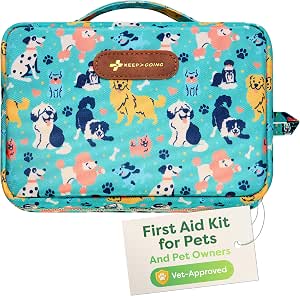
Dog First Aid Kit for Travel Emergencies
It's important to prepare for unforeseeable situations while travelling.

Reduce Shedding with FURminator Conditioner
A well-groomed coat means less mess in your travel space.
Freshwater Hazards: Lakes and Rivers
Freshwater presents different dangers that are often harder to spot. Blue-green algae blooms appear in lakes and rivers across Australia, particularly in summer. Lakes near Melbourne, Brisbane, and Perth have all seen algae warnings. Your dog doesn't need to drink the water to get poisoned; they absorb toxins through their skin and when they lick their fur dry afterwards.
Rivers like the Yarra, Brisbane River, and Murray carry parasites and bacteria that cause severe gastroenteritis in dogs. The Barwon River near Geelong has documented leptospirosis cases from wildlife in the water. Cold mountain streams around the Blue Mountains or Snowy Mountains drop body temperature dangerously fast, especially in smaller dogs. Before visiting any freshwater location, check local council websites for algae warnings and water quality reports. If the water looks murky, has an unusual smell, or you see dead fish, keep your dog out completely. When algae warnings are posted, do not let your dog enter that water under any circumstances.
Swimming Ability and Life Jackets
Not all dogs are confident swimmers, and even those that are can struggle in unfamiliar water. I learned this when my cavalier nearly panicked in a lake because the sloping bottom was different from her familiar beach. Breed matters too: bulldogs, pugs, and dachshunds have body shapes that make swimming hard work. Senior dogs tire quickly, and puppies lack the stamina for longer swims.
A well-fitting life jacket is the single best investment for water safety. Look for jackets with a handle on top so you can grab your dog if needed. Brands available at Australian retailers fit dogs from 5 kilograms up to 50 kilograms. Practice wearing the jacket on dry land first so your dog gets comfortable before entering water. Use the life jacket at beaches, lakes, rivers, and especially around boats. Even strong swimmers benefit from jackets in unfamiliar water with currents or temperature changes. Never assume your dog's ability level. Being cautious with a life jacket means everyone relaxes and enjoys the day.
Temperature Shock and Hypothermia Risk
Australian waters vary wildly in temperature depending on location and season. The Southern Ocean near Adelaide in July sits around 11 degrees Celsius. Tasmania's lakes can be even colder. Dogs lose body heat three times faster than humans in cold water, and they can develop hypothermia within 10 to 15 minutes in really cold conditions.
Small dogs and those with thin coats are vulnerable even in moderately cool water. I watched a Jack Russell at Cockatoo Island get exhausted and shaky after just 5 minutes in water that felt pleasant to me. Limit swimming sessions in cold water to 5 to 10 minutes maximum. Dry your dog immediately with towels and get them into dry clothes if possible. Watch for shivering, reluctance to move, or unusual lethargy after cold water swimming. If your dog shows these signs, warm them gradually indoors, not with direct heat. Never throw cold dogs into hot water or sit them by heaters as this can cause shock.
Preventing Ear Infections and Skin Issues
Water in your dog's ears creates the perfect environment for infections. After swimming at any beach, river, or lake, water gets trapped in the ear canal and bacteria multiply quickly. Dogs with floppy ears like spaniels and beagles are especially prone to ear infections. I noticed my spaniel scratching constantly after a swim at Lake Macquarie until I started cleaning her ears properly.
Before swimming, place cotton balls lightly in your dog's ears to prevent water entry. After swimming, tilt your dog's head and gently dry inside each ear with a clean towel. For extra protection, use a vet-approved ear cleaning solution after water exposure. Salt water and chlorine also dry out skin and coat, causing itching and flaking. Rinse your dog's entire body with fresh water immediately after swimming in ocean or chlorinated pools. Dry thoroughly to prevent fungal growth, especially in skin folds and between toes. If your dog shows persistent scratching, odour, or redness after water activities, visit a vet before the infection becomes serious.
Recognising Drowning Signs and Water Fatigue
Most people imagine drowning looks dramatic, but silent drowning is the real risk with dogs. A struggling dog doesn't always bark or flail. Instead, they go quiet, start sinking, or stop responding to your calls. This can happen in seconds. Never take your eyes off your dog in or near water, even for a moment to check your phone or chat with other people.
Water fatigue shows up gradually before drowning becomes an emergency. Your dog might swim more slowly, seem reluctant to go deeper, or start heading back to shore when they normally love extended swims. Their breathing becomes heavier and more laboured. Ears might droop lower than usual. Hind legs might drag slightly. These are your cues to call your dog out and let them rest. Overexertion in water can lead to aspiration pneumonia, where fluid enters the lungs. Even dogs who seem fine after swimming can develop this days later. If your dog coughs persistently, seems lethargic, or has difficulty breathing after water activities, seek vet care immediately.
Planning Water Activities When Travelling
When you're travelling with your dog to coastal towns like Jervis Bay, Magnetic Island, or the Ningaloo Reef region, organise water activities carefully. Check the local tourism website and council pages for current water quality alerts before you arrive. Book dog-friendly beaches in advance and confirm they allow dogs at the times you plan to visit. Some beaches restrict dogs to specific areas or times of year.
Plan shorter water exposure on your first day in a new location so your dog adjusts to the water type and temperature gradually. Bring fresh drinking water so your dog doesn't resort to drinking salt water or murky lake water. Pack a complete change of dry towels, even if you think one will be enough; wet dogs dry slower than you expect. Schedule rest days between intense water activities. A dog swimming for hours every day can develop joint strain, repeated ear infections, or skin problems. Mix water activities with land-based exploration to give your dog varied experiences and recovery time. This approach keeps water fun rather than exhausting.
Plus early access to new guides and partner deals.
No spam. Ever. Just the good stuff for you and your pet.