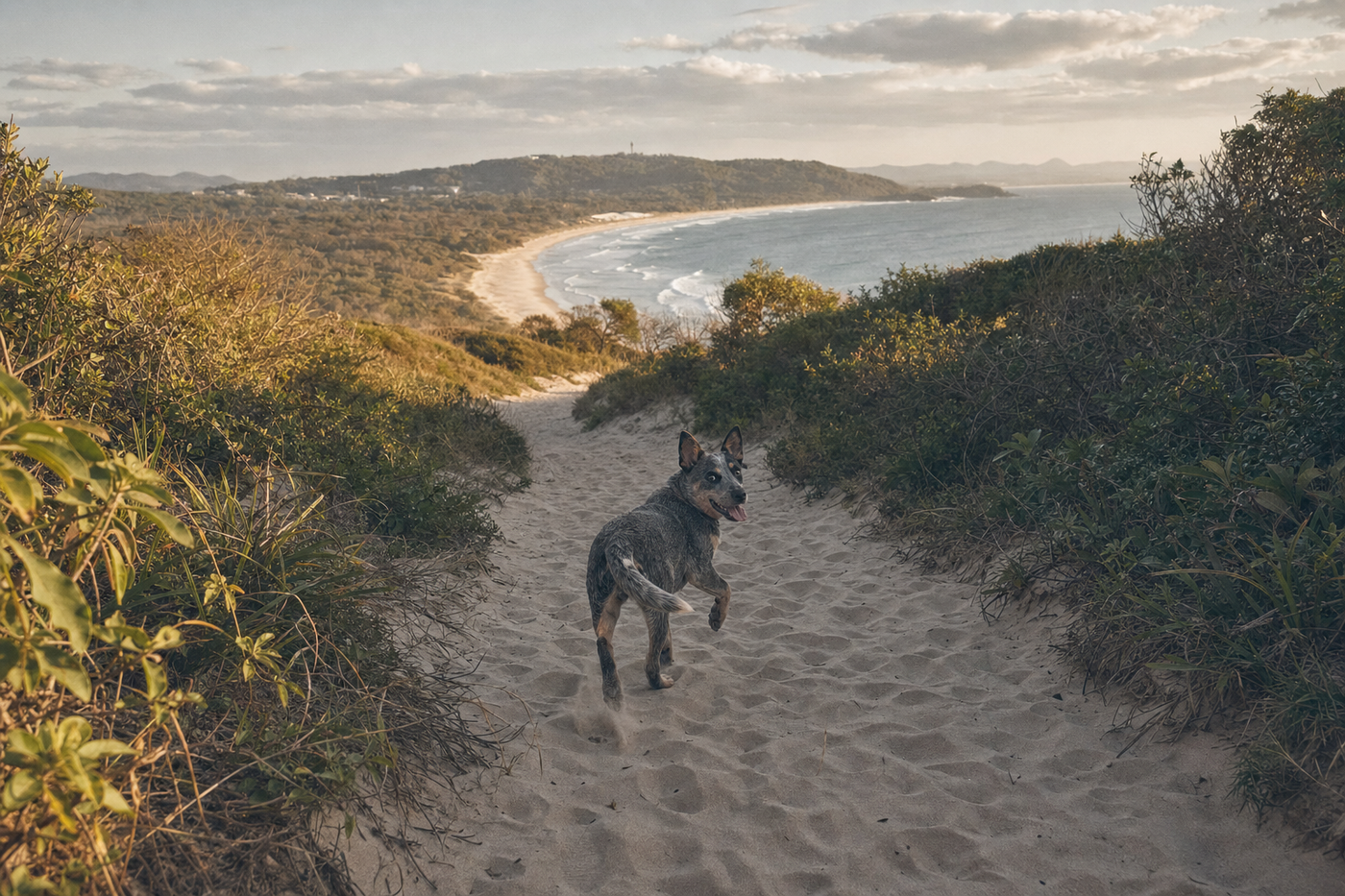
Why dogs are banned from most Australian national parks
This is not an arbitrary rule and understanding why it exists makes it easier to respect. Australia has some of the most unique and vulnerable wildlife on earth. Most of it evolved in the absence of mammalian predators. The sight, smell, and sound of dogs causes genuine stress to native animals including possums, wallabies, bandicoots, ground-nesting birds, and many others. A mother possum will abandon her young at the scent of a dog, even days after the dog passed through the area. Shorebirds flush from nests and abandon eggs. Wallabies can injure themselves fleeing from dogs even when the dog is on a leash and well-behaved. Many national parks also have active 1080 poison baiting programs for fox and rabbit control. 1080 is lethal to domestic animals and odourless. A dog sniffing around in baited areas cannot detect the danger. The ban protects the wildlife. It also protects your dog.
New South Wales
Dogs are generally not permitted in NSW national parks. They are permitted in NSW regional parks and all NSW state forests. Regional parks with dog access include Berowra Valley Regional Park, Blue Gum Hills Regional Park, and several others in the Sydney basin. Dogs must be on leash at all times. NSW state forests cover a significant area of the state and almost all permit dogs on leash. The Watagan State Forest and Belanglo State Forest are both accessible with dogs and offer good walking.
Gear we would pack
Some links below are affiliate links. Pawtrips may earn a commission at no extra cost to you.

Quiet 62L Pet Dryer Box with Smart Control
This ensures your pet stays comfortable and dry during your travels.
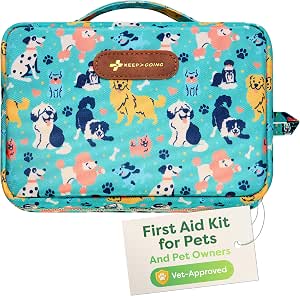
Dog First Aid Kit for Travel Emergencies
It's important to prepare for unforeseeable situations while travelling.

Dog Ear Muffs for Noise Protection
These ear muffs help keep your pet calm in noisy environments during travel.

Reduce Shedding with FURminator Conditioner
A well-groomed coat means less mess in your travel space.
Victoria
Victoria has several national parks with limited dog access in specific sections. These are exceptions to the general prohibition and are worth knowing about. Belair National Park near Adelaide (technically SA but worth the note) is one of the few national parks anywhere in Australia with genuine dog access on walking trails. In Victoria specifically: Great Otway National Park has multiple dog-friendly areas including Lake Elizabeth and Southside Beach. Greater Bendigo National Park allows dogs on specified roads and trails in the One Tree Hill section. Heathcote-Graytown National Park allows dogs in the McIvor Range area. All Victorian national park dog access is on-leash only. Check Parks Victoria's website for current access conditions as they update seasonally.
Queensland
Dogs are not permitted in Queensland national parks. This is a firm rule with no exceptions for walking tracks, rest areas, or car parks within park boundaries. Queensland does have good alternatives. Recreation areas, state forests, and council-managed reserves often allow dogs on leash. Inskip Point near Rainbow Beach is a popular dog-friendly recreation area worth knowing about. North Stradbroke Island has dog-friendly beach access at Flinders Beach outside the national park boundary.
Western Australia
Dogs are not permitted in WA national parks or conservation reserves with very limited exceptions. WA does permit dogs in some specific campgrounds within conservation parks and Lane Poole Reserve has several dog-friendly campgrounds including Baden Powell, Charlies Flat, and Nanga Brook. WA state forests, particularly in the south-west, offer good alternatives. The Walpole-Nornalup area outside the national park boundary has walking options accessible with dogs.
South Australia
South Australia is one of the more dog-friendly states for park access. Conservation parks and recreation parks often permit dogs where national parks do not. Belair National Park, just 13 kilometres south of Adelaide, is one of the genuine exceptions in Australia. Dogs are permitted on leash on walking trails throughout the park. A $12.50 vehicle entry fee applies. This is unusual enough that it is worth specifically noting.
The alternatives worth knowing
State forests cover a vast area of Australia and nearly all of them allow dogs on leash. They are less visited than national parks, often just as beautiful, and rarely have the crowding issues that popular national parks attract. Regional parks in NSW, conservation parks in SA, and recreation areas across Queensland all represent good alternatives to national parks for dog owners. Council-managed reserves, foreshore areas, and recreation reserves are almost always dog-friendly and are often adjacent to or nearby national park areas with the same or similar scenery. The practical advice: before any trip that involves natural areas, spend ten minutes identifying which land management authority manages each area you plan to visit. NPWS, Parks Victoria, DBCA in WA -- national park authority means no dogs in almost all cases. Council or state forest means dogs almost always welcome on leash.
The national park rules in Australia exist for good reasons and we support them completely. The state forest and regional park alternatives are genuinely excellent. If you find a dog-friendly park worth adding to this guide write to us at hello@pawtrips.com.au.
hello@pawtrips.com.auPlus early access to new guides and partner deals.
No spam. Ever. Just the good stuff for you and your pet.