Snakebite is life threatening and requires immediate veterinary treatment. Know the location of the nearest vet clinic before camping and head there immediately if your dog shows signs of envenomation.
Giardia and other parasites in natural water sources can cause serious illness within days of exposure. Use only clean water you've brought from home or have been filtered through a portable pet water filter.
Why Dogs Need Different Camping Gear Than Humans
Your dog experiences the campground differently than you do. Outdoor sounds like kookaburras or possums in the trees trigger their senses in ways that can cause stress or bolt behaviours. Temperature drops hit them harder, especially if they have shorter coats, and the ground beneath them gets cold and damp much faster than your sleeping bag insulates you.
I learned this the hard way camping near Lake Macquarie with my blue heeler, Max. He spent the first night pacing and whining because he was cold and couldn't settle on the bare tent floor. By night two, I'd invested in a proper elevated mat with padding, and he slept through. Your dog's gear isn't optional comfort items, it's the foundation of a safe, restful night.
Dogs also need containment that works differently in camp settings. A lead tied to a tree isn't the same as a fenced yard. Your dog can wrap the lead around obstacles, tangle with other campers' gear, or panic if they see wildlife. The right setup prevents escape attempts and keeps your dog visible to you at all times.
Essential Gear Before You Leave the Driveway
Start with a quality long lead, at least 3 to 5 metres, made from heavy duty material that won't fray or break under tension. I carry two leads so one stays at base camp while the other attaches when we explore. A properly fitting collar with ID tags is non negotiable. Microchip your dog before the trip and carry proof of registration.
Bring a waterproof mat sized for your dog to lie on inside the tent. This keeps them dry from ground moisture and insulates them from cold. A lightweight collapsible water bowl takes up almost no space but becomes essential when you're away from camp. Pack a first aid kit containing wound wash, tweezers for ticks, antibiotic ointment, and bandages. Australian bush first aid for dogs means being prepared for tick bites, scratches from native vegetation, and minor wounds.
Clothing depends on your dog and destination. A light rain jacket works for coastal trips or southern regions in winter. Booties protect paws from rough terrain and hot sand, though not all dogs tolerate them. A dog-specific sleeping bag or blanket provides warmth without adding bulk to your pack. Pack food in sealed containers to prevent spills and keep wildlife away from your site.
Gear we would pack
Some links below are affiliate links. Pawtrips may earn a commission at no extra cost to you.
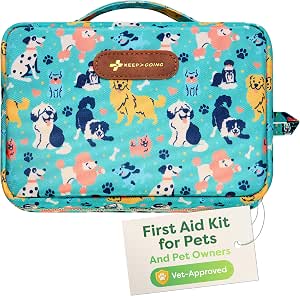
Dog First Aid Kit for Travel Emergencies
It's important to prepare for unforeseeable situations while travelling.

Safe Swim Life Jacket for Dogs
Essential for keeping your dog afloat during swim adventures.

Pet First Aid Kit for Travel Emergencies
A first aid kit is essential for pet travel emergencies.

Stop Bleeding Fast with Kwik Stop for Pets
Having Kwik Stop ensures quick first aid during travels.
Setting Up Your Tent Space for Safe Dog Sleeping
Your dog's sleeping area inside the tent should be in a corner, not blocking the entrance. This gives them a den-like space where they feel secure, and it keeps you from tripping over them in the dark during night bathroom trips. Place the waterproof mat down first, then layer a blanket or dog bed on top. Position your dog's area where you can reach over and touch them without getting up, a comfort for both of you in unfamiliar surroundings.
Ventilation matters more than you'd think. A tent with good airflow prevents condensation buildup that makes everything damp, including your dog's fur and bedding. Leave a window or door panel cracked slightly open unless weather demands otherwise. In warmer months, I've camped with the tent door fully open on calm nights, using a portable pen around the tent to define boundaries.
Keep your dog's lead and collar within arm's reach from your sleeping spot. I attach the lead to a stake that goes into the ground beside my sleeping bag, so if my dog wakes and wants to exit the tent, I can grab the lead before they bolt. This simple setup has prevented several potential incidents where unfamiliar noises sent Max toward the forest edge.
Water, Food and Preventing Dehydration in the Bush
Fresh water availability is your top camping priority with a dog. Bring a minimum of 4 litres per day for a medium sized dog, more in hot weather or if you're hiking. I learned that natural water sources like creeks and dams can harbour parasites like giardia, which causes diarrhoea and vomiting days after exposure. Sticking to bottled water you've brought from home eliminates this risk entirely.
Feed your dog their regular diet while camping, not as an experiment with new foods or treats. Changes in water source, environment, and activity level already stress their digestive system. I pack my dog's normal kibble in sealed containers alongside their usual feeding schedule. Set feeding times just like at home, ideally not too close to bedtime, and always pick up uneaten food immediately to avoid attracting insects or animals.
Watch for signs of dehydration: excessive panting, dry gums, or lethargy. In Australian heat, especially camping inland or inland in summer months, your dog can dehydrate faster than you realise. Offer water breaks every hour during activity, not just when your dog asks for it. Bring a portable water bowl specifically so you can offer water during hikes without relying on finding a safe creek or tank.
Overnight Safety and Managing Sounds That Trigger Anxiety
Darkness brings unfamiliar sounds: possums scurrying in leaf litter, dingoes calling in distance, or the screech of a currawong. Your dog's instinct is to investigate or protect, which at night means they bolt or bark excessively. An LED collar, glow tag, or even a reflective collar makes your dog visible to you instantly if they move away from the tent. It also makes them visible to other campers, reducing the chance someone mistakes your dog for wildlife.
Create a nighttime routine that mirrors home. Take your dog out on lead about 30 minutes before you sleep. Let them toilet, sniff, and settle. Bring them back to the tent and praise calm behaviour. Some dogs benefit from a familiar item like a blanket or toy that smells like home. I've had success with playing soft music or white noise inside the tent to mask sudden external sounds that startle Max awake.
If your dog is anxious at night, camp near other established campsites rather than isolated spots. The presence of people and other dogs normalises the environment. Avoid camping directly near wildlife corridors; research the campground before booking and ask rangers about recent animal activity. Never leave your dog unattended outside the tent at night, even for bathroom breaks of your own. A tie up near the campfire or a portable pen keeps them contained while still close to your presence.
Tick Checks, Snake Awareness and Bush First Aid
Ticks are the most common issue I encounter camping across Australia, particularly in warmer months and coastal areas. After every outdoor activity, spend five minutes running your hands through your dog's coat feeling for small bumps or lumps. Ticks attach firmly and can transmit serious diseases, so removing them immediately matters. I carry tweezers and a tick removal tool; grasp the tick as close to the skin as possible and pull straight out, then soak it in rubbing alcohol.
Snakes are present in most Australian campgrounds but rarely bite unless provoked or stepped on. Keep your dog on a short lead near tall grass or rocky areas where snakes shelter. Never let your dog investigate holes, fallen logs, or dense undergrowth. If your dog shows signs of snakebite (sudden collapse, rapid swelling, or tremors), assume the worst and get to a vet immediately, even if you're hours from town. Carry the address and phone number of the nearest vet clinic before you leave home.
Minor cuts or scrapes happen when dogs explore rough terrain. Clean any wound with clean water, apply antibiotic ointment, and monitor for swelling or infection over the following days. Rough ground can also blister paw pads; boots help prevent this, and paw balm soothes irritated pads. If your dog is limping or refusing to walk by day two, the paws need attention. Head to a vet rather than pushing through, especially if you're on a longer trip.
Choosing Dog Friendly Campgrounds and Checking Restrictions
Not every campground welcomes dogs, and even those that do often have specific rules. Some sites require dogs to be on lead at all times, others allow off lead in designated areas. Some ban certain breeds or dogs over a certain weight. Check the campground website or call ahead before booking. Many national parks across Australia have differing rules by region; some allow dogs in certain zones but not others, and some prohibit them entirely during peak seasons.
Ring ahead to the ranger station or office when you arrive and ask about recent wildlife activity, other dogs on site, and the layout. This five minute conversation often prevents tension with neighbouring campers and gives you crucial information about the site. Some rangers know exactly where the kookaburras nest or if dingoes have been spotted recently. Local knowledge makes your trip safer and more enjoyable.
Start with smaller trips close to home. I spent six months camping within 45 minutes of Sydney before attempting a week long trip to the Blue Mountains. This builds confidence in both you and your dog, helps you learn what gear actually works, and lets you troubleshoot problems in low stakes situations. Dog friendly caravan parks like those found near Byron Bay or along the Mornington Peninsula are excellent starting points because they have established facilities and other dog owners around for advice.
Reading Your Dog's Stress Signs and When to Head Home
Some dogs adapt quickly to camping; others struggle even after several trips. Learn to read your individual dog's stress signals. Panting excessively, refusing food, constant pacing, or aggression toward unfamiliar sounds all indicate your dog is overwhelmed. Shaking, drooling, or hiding are serious stress responses that mean your dog needs a calmer environment. It's not failure to cut a trip short if your dog is genuinely distressed. I've packed up after one night more than once, and Max is happier for it.
Your dog's age and health matter too. Senior dogs struggle with cold nights and uneven terrain. Dogs with anxiety disorders may never adapt to the campground environment, and that's okay. Not every dog is built for camping, and forcing it creates negative associations. Young puppies under six months aren't ready for extended camping trips; their bodies can't regulate temperature effectively and the stress can harm their development.
Trust your instincts about your own dog. You know their personality, their fears, and their limits. Camping should be an enjoyable experience for both of you, not a stressful obligation. Some of my best memories with Max are quiet beach camping trips where we spent most of the day resting in the shade, not pushing ourselves on long hikes or aggressive exploration. Low key, predictable trips often create the best memories and the strongest bond.
Plus early access to new guides and partner deals.
No spam. Ever. Just the good stuff for you and your pet.