Never leave your dog unattended in a vehicle, even with windows open. Internal car temperatures reach dangerous levels within minutes in Australian heat, which can cause heatstroke or death.
Check your dog's collar and lead before each drive segment. Broken or worn equipment fails without warning, and a loose dog on a busy caravan park can be hit by vehicles or lost in unfamiliar territory.
Queensland's Best Parks for Dogs
Queensland's tropical climate suits dogs who enjoy warm weather, but you need to plan around the heat. Caloundra on the Sunshine Coast has several parks within a 10-minute drive of dog-friendly beaches, and most open up dog swimming areas during cooler months. Noosa area parks tend to be more upmarket but worth the extra cost for cleanliness and facilities. Further inland, parks around Toowoomba sit at higher altitude and stay cooler, which my border collie preferred during summer trips.
The Gold Coast hinterland around Tallebudgera Valley offers forested caravan parks where dogs love the shade and cooler temperatures. I've found that booking sites like Caravancampingsales let you filter by dog-friendly facilities, though you still need to ring and confirm policies. Many Queensland parks charge extra for dogs, usually between five and fifteen dollars per night, so budget accordingly. The southern coastal towns like Rainbow Beach have smaller, quieter parks perfect if your dog gets stressed by crowds.
New South Wales and Victoria Coastal Options
The NSW coast offers incredible variety for travelling with dogs, from quiet beach towns to busy tourist spots. South West Rocks near Kempsey has dog-friendly parks where your pup can walk along quiet stretches of beach before or after peak tourist season. Batemans Bay further south is popular with dog owners because multiple parks have enclosed dog areas and the town itself feels relaxed about canine visitors. I've spent weeks at South Durras, which is quieter than nearby Batemans Bay but equally dog-friendly.
Victoria's Mornington Peninsula deserves its reputation as the most dog-friendly region in Australia. Parks around Portsea and Sorrento actively market to dog owners, and many sites have direct access to dog-friendly beaches. The Great Ocean Road inland parks near Colac work well for dogs who prefer cooler weather and don't need beach access. Warrnambool on Victoria's far west has smaller parks with genuine character, and locals seem genuinely welcoming to travelling dog owners.
Gear we would pack
Some links below are affiliate links. Pawtrips may earn a commission at no extra cost to you.

Quiet 62L Pet Dryer Box with Smart Control
This ensures your pet stays comfortable and dry during your travels.
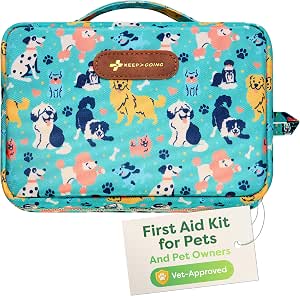
Dog First Aid Kit for Travel Emergencies
It's important to prepare for unforeseeable situations while travelling.

Track Your Dog's Location in Real-Time
It helps you keep your pet safe and in check during travels.

Calming Pheromone Collar for Anxious Dogs
Ideal for easing your dog's anxiety while travelling.
Remote and Outback Parks Worth the Drive
If your dog handles heat and isn't fazed by long stretches between towns, outback parks offer unique experiences. The Flinders Ranges in South Australia have parks with stunning scenery where well-trained dogs can hike during cooler months. Kangaroo Island has dog-friendly caravan parks and many walking tracks where dogs are welcome, though you'll need a car to get around the island itself. The road trip to reach these places is long, but dogs often settle beautifully once you're in quiet, spacious settings.
Western Australia's south coast parks near Albany and Denmark suit dogs who love cooler climates and forest scenery. These parks are further from major cities, which means they stay quieter and have less stress for anxious dogs. The drive is significant from the eastern states, but if you're already committed to a major road trip, these parks reward the effort. Always carry extra water supplies for remote areas, as not every park will have drinking water readily available at sites.
Managing Your Dog's Health During Travel
Travelling disrupts your dog's normal routine, which can affect their digestion and behaviour. I've learned to keep food and water schedules as consistent as possible, even when you're exhausted from driving. Pack enough of your dog's regular food to last the entire trip, because sudden diet changes combined with travel stress cause digestive upset. If your dog has any existing health conditions, talk to your vet before travelling about how to manage medications and dosing across time zones.
Watch for signs of travel stress like panting, drooling, or reluctance to eat. Some dogs experience motion sickness even though they travel fine once they're at the destination, so plan for extra stops if needed. Keep your dog's exercise routine going, even if it looks different from home. A 30-minute walk around the caravan park in the early morning, before heat builds up, keeps your dog's routine stable and helps them settle at night.
What to Expect When You Arrive
When you pull into a caravan park, most managers will direct you to your site and explain the dog rules specific to your spot. Some parks allow dogs everywhere on the grounds, while others have designated areas and restrict dogs from communal facilities like playgrounds or swimming pools. Ask about the nearest toilet area for dogs, whether other dogs currently occupy nearby sites, and what time the park quietens down. This information helps you settle your dog and plan your first evening.
Some parks have dog exercise areas or designated dog run times during the day. These are incredibly valuable because your dog can socialise safely and burn energy. If the park doesn't have these facilities, plan a proper off-lead session at a beach or reserve within a few kilometres of the park, assuming your dog has reliable recall. Many travelling dogs get frustrated if they're constantly on-lead, so factor in time for proper exercise beyond just toilet breaks around the caravan.
Booking Strategies and Timing
School holiday periods and long weekends fill caravan parks fast, and dog-friendly parks get even busier. If you want quieter experiences with your dog, travel during term time or outside major holidays. Early morning bookings through Caravancampingsales or directly with parks give you better site selection, often before families with young children book. I've found midweek visits to be vastly superior for dogs, as the park noise stays lower and your pup is less stressed.
Budget for peak season prices, which can be double the off-season rates during summer holidays and Easter. Many parks offer discounts for stays over seven nights, which suits travelling families looking to settle in one spot for a while. Ask specifically about dog fees when booking, as some parks quote their base rate and add dog charges later. Peak season doesn't always mean the best weather for travelling with dogs, so consider autumn or winter trips if your dog struggles in heat.
Plus early access to new guides and partner deals.
No spam. Ever. Just the good stuff for you and your pet.