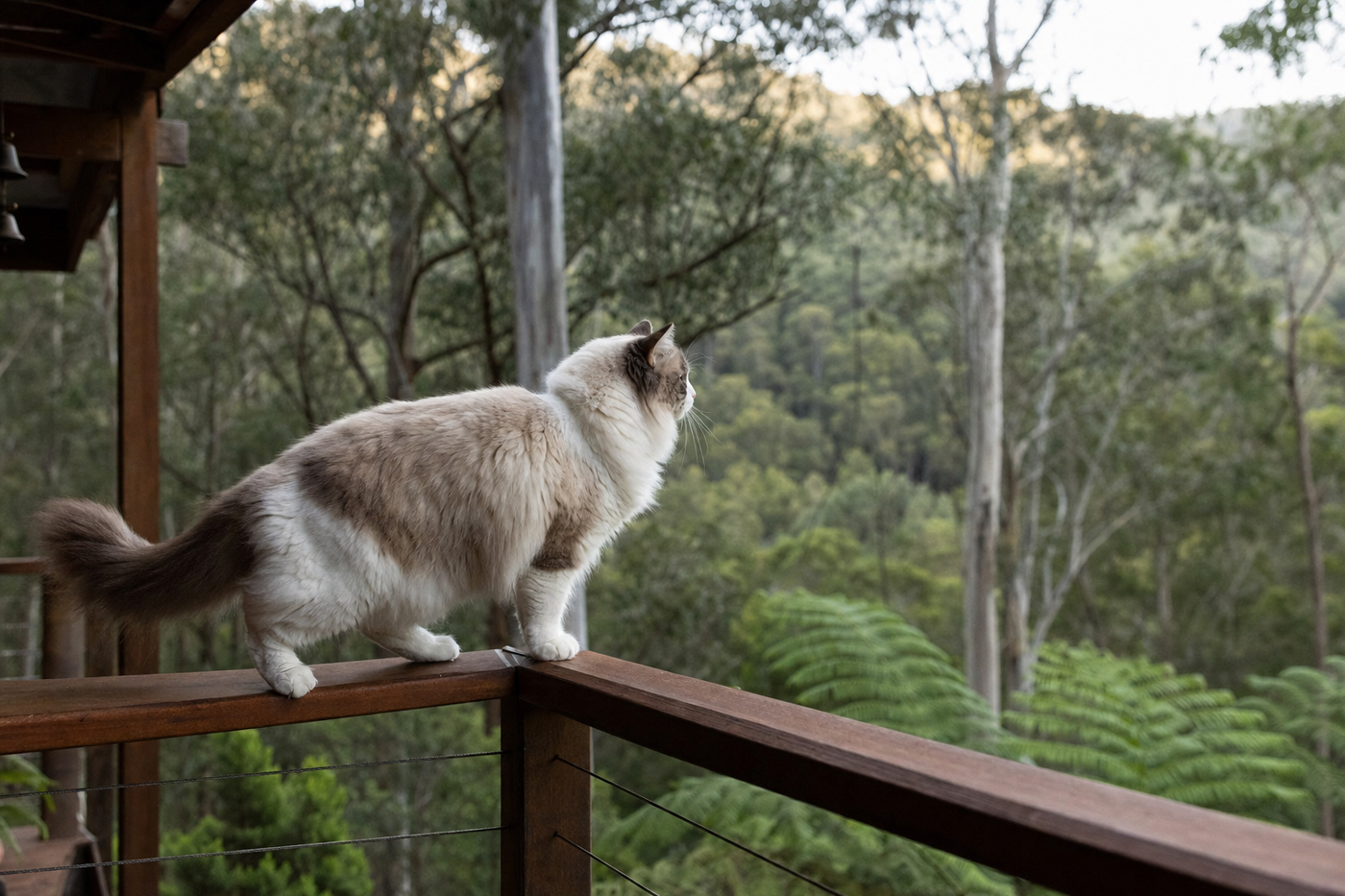
Always verify that outdoor spaces are securely fenced and cannot be escaped, as many Australian neighbourhoods contain predators including foxes, snakes, and in some regions, dingoes that view cats as prey
Check your cat's microchip details are current and your contact information is registered with the microchip database before travelling, in case your cat escapes in an unfamiliar area
Why most hotel reviews won't help your cat
You've probably scrolled through Booking.com looking for five-star pet policies, only to arrive and find your cat staring at a busy main road from a third-floor balcony. Hotel reviews focus on human comfort, not feline stress levels. The staff member who promised your cat would be fine turning out to be new and unsure about the actual rules.
Australian hotels have wildly different interpretations of pet-friendly. Some treat cats like they treat dogs, which is completely wrong. A cat doesn't need a walking trail. A cat needs a quiet room where it can hide, a window that doesn't open onto chaos, and a litter tray situation that doesn't involve a housekeeping staff member judging you daily.
You'll notice most chain hotels have standard policies that sound good on paper. Then you get there and the air conditioning smells like wet dog from the room next door, and your cat hasn't eaten in two days. The booking site's filters don't capture the reality of whether your specific cat will actually survive the stay.
Private holiday rentals beat hotels almost every time
After my first disastrous hotel attempt, I booked a private cottage near Daylesford, Victoria, and everything changed. The cat had an entire fenced yard, a quiet bedroom to retreat to, and I could cook proper food instead of eating takeaway at midnight while my cat stress-groomed her paws.
Holiday houses on platforms like Stayz let you see photos of the actual space, read what previous pet owners say, and contact the owner directly. You can ask specific questions: Is the yard actually secure? Can you leave the cat alone while you visit the local markets? Are there predators in the area? The owner usually knows the answers because they live in the area.
Private rentals also eliminate the housekeeping staff variable. Your cat won't panic when strangers arrive with vacuum cleaners. You control when your cat is in the space and who enters it. For a nervous cat, this makes the entire trip possible instead of a constant battle against anxiety.
Gear we would pack
Some links below are affiliate links. Pawtrips may earn a commission at no extra cost to you.

Quiet 62L Pet Dryer Box with Smart Control
This ensures your pet stays comfortable and dry during your travels.

Natural Dog Treats for Travel, Beef and Roo Rolls
Treats are great for keeping your dog satisfied during travel.

Ozone Odor Eliminator for Fresh Homes
A fresh-smelling home makes pet travel prep more enjoyable.
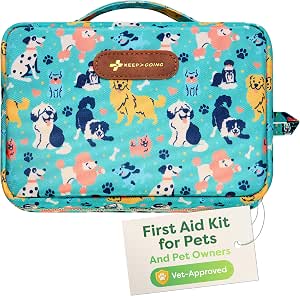
Dog First Aid Kit for Travel Emergencies
It's important to prepare for unforeseeable situations while travelling.
The ground floor advantage that saves stress
Request ground floor accommodation whenever possible, and explain that you're travelling with a cat. Many places have ground floor rooms available but don't advertise them specifically. Upper floors mean your cat can potentially escape onto a balcony or ledge if a door opens unexpectedly. Ground floor means a quick escape route leads to a backyard you control, not a three-storey drop.
When I stayed in a second-floor unit in Brisbane, my cat squeezed through a slightly open sliding door onto a balcony overlooking a busy street below. I found her crouched against the exterior wall, trembling. That was my last upper-floor booking with a cat.
Ground floor also gives your cat more confidence. Many cats feel safer when they know they can access outdoor space safely. If the accommodation has a small enclosed yard, patio, or garden area, your cat can experience different sensations without the constant threat of falling or traffic noise amplifying the fear response.
Pet fees vary wildly across Australia
Budget an extra 20 to 30 percent of your accommodation costs for pet fees. A beachside cabin in Byron Bay charged me 35 dollars per night for one cat. A three-bedroom holiday house near Margaret River charged a flat 150 dollar fee for the entire week. Another place near the Blue Mountains charged nothing but required a bond of 500 dollars refundable after inspection.
These fees don't correlate to quality or actual pet friendliness. Some places charge high pet fees but have minimal facilities. Others charge nothing and provide food bowls, a cat bed, and knowledge about local vets. Always ask what the fee includes. Does it cover extra cleaning? Is it refundable if your cat causes no damage?
I've found that independent owners often have lower or negotiable pet fees compared to corporate holiday rental companies. They understand that pet owners are usually responsible and transparent. If you're flexible on travel dates, mid-week stays in shoulder season sometimes mean owners will waive or reduce pet fees just to fill their calendar.
Fencing quality determines whether your cat can go outside
Don't assume an outdoor space means your cat can safely use it. I arrived at an allegedly pet-friendly beach house near Phillip Island to find the backyard fence had a two-metre gap where the gate latch didn't work. My cat would've vanished into the neighbourhood in minutes. I had to keep her indoors the entire week.
Before booking, ask specific questions about fencing. How high is it? Are there gaps at the bottom? Is there an automatic latch? What about predators in the area? Many Australian neighbourhoods have foxes, dingoes in certain regions, or snakes that might see a cat as either prey or competition.
If you're planning to let your cat outside, research the specific suburb. Suburbs closer to bushland have different wildlife to suburbs near beaches or town centres. A cat-proof enclosure exists now, but most holiday rentals won't have one. Assume outdoor time means supervised outdoor time, even if it complicates your holiday plans.
How to actually verify a place is cat-friendly before you go
Stop relying on the pet-friendly filter alone. Send the owner a message asking three specific questions: What's your experience with cats? Do you have any restrictions on their movements in the house? What's the noise and traffic situation outside? Their answers tell you whether they understand cats or just tolerate them.
Read previous guest reviews and search specifically for mentions of pets. A review saying the place is quiet matters more than the star rating. Quiet means your cat won't spend the week stressed by neighbours, barking dogs, or music. Check how recent the reviews are. A five-star pet-friendly review from two years ago might reflect a different owner if there's been a property management change.
Contact the owner again two weeks before your trip. Confirm your cat's arrival, ask if there are any recent changes to the property or neighbourhood, and mention any special needs. This prevents surprises and gives you time to find alternatives if the owner suddenly reveals new information.
If the owner seems annoyed by your questions or vague in their answers, don't book. A genuinely cat-friendly owner will be enthusiastic and detailed. They'll probably mention past cat guests and offer specific advice about the area.
Driving with a stressed cat requires real planning
Most Australian road trips with cats are three to five hours maximum. Beyond that, you need a plan. I drove eight hours from Melbourne to Adelaide with a cat once and learned that cats need bathroom breaks, water, and a familiar space, just like humans do. The difference is they can't tell you what's wrong.
Drive during cooler parts of the day, never leave the cat alone in the car, and stop every two to three hours to let your cat drink water and access a portable litter tray if needed. Many cats refuse to use a litter tray while moving, which means planning rest stops where your cat can actually toilet in a quiet space.
Consider whether a shorter trip to a closer destination makes sense. A three-hour drive to the Dandenongs near Melbourne lets your cat stay calmer than a six-hour drive to Adelaide. The quality of your cat's experience matters more than the distance you travel. A miserable cat makes for a miserable trip for everyone.
What to pack for your cat's comfort and safety
Pack more than you think you'll need. Bring your cat's regular food because changing diet while travelling stresses digestive systems. Bring litter from home so your cat recognises the scent in an unfamiliar litter tray. Bring favourite toys and a blanket or bed that smells like home. These familiar items anchor your cat in an unfamiliar space.
Include a current photo of your cat, your vet's details, and proof of microchipping. If your cat escapes, you'll need these immediately. Bring any medications your cat takes plus extras. Bring a first aid kit with basics like antiseptic and tweezers for splinter removal. Consider bringing a calming product like Feliway spray, which can help reduce anxiety in new environments.
Bring a carrier that doubles as a safe space, not just transport. Some cats hide in their carrier when stressed, which is fine. It's their decision. Never force a cat out of a carrier during the first few hours of arrival. Let them emerge at their own pace and explore when ready.
Plus early access to new guides and partner deals.
No spam. Ever. Just the good stuff for you and your pet.