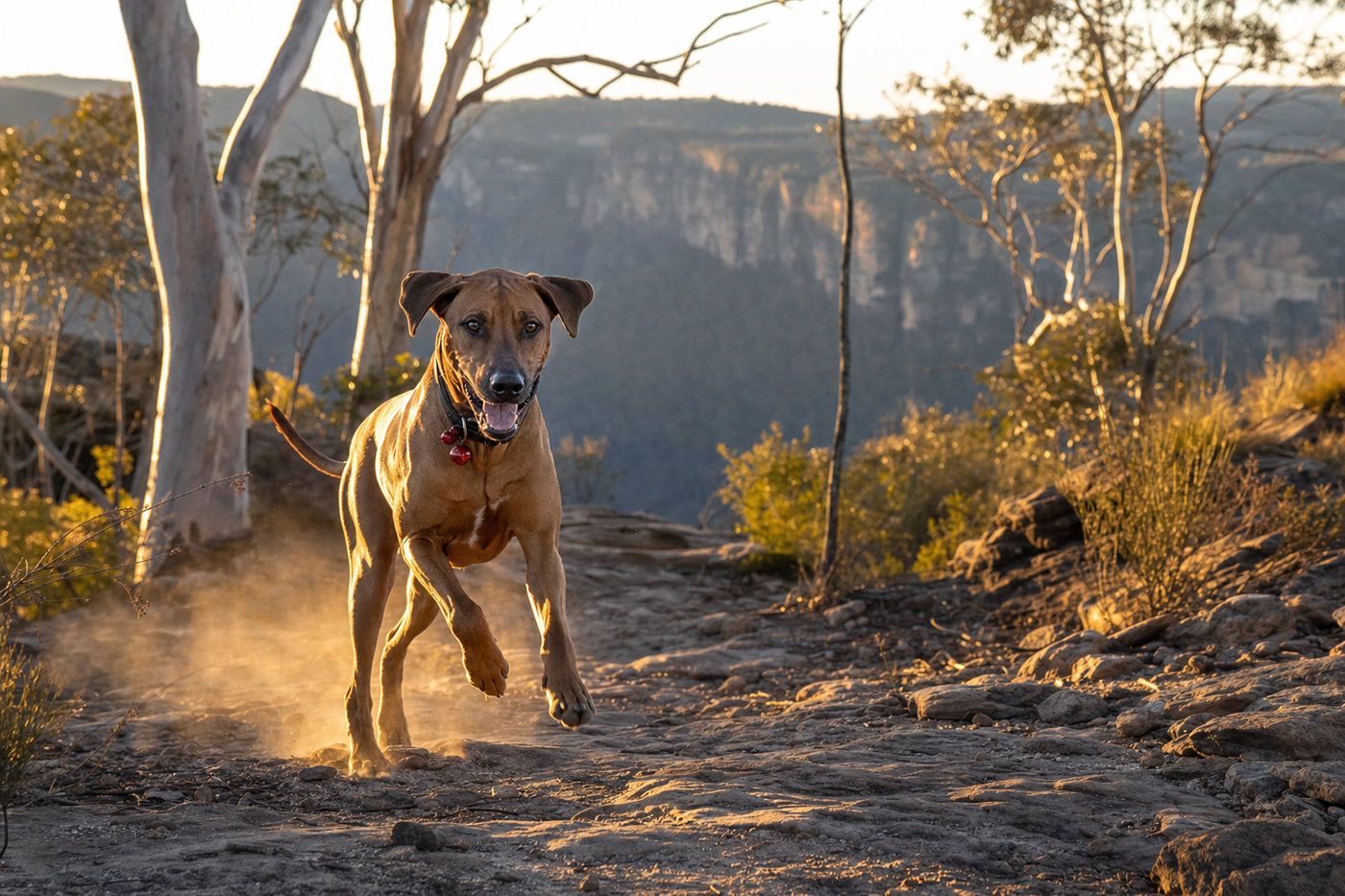
Never leave your dog in a car during hot weather. Internal temperatures reach dangerous levels within 10 minutes, causing fatal heat stroke. This is the leading cause of preventable dog deaths during Australian summer travel.
Heat stroke signs include excessive panting, drooling, lethargy, vomiting, or collapse. If your dog shows any of these signs, soak them immediately with cool water and get to an emergency vet clinic. Every minute counts. Untreated heat stroke causes permanent organ damage or death.
Finding Dog-Friendly Accommodation in Australia
The first step is knowing where your dog can actually stay. Many caravan parks and holiday rentals now market themselves as pet-friendly, but standards vary wildly. Some places allow dogs in rooms but charge fifty dollars per night extra, while others welcome them for free in certain cabins only.
I learned this the hard way when I booked a property in Coffs Harbour that claimed to be dog-friendly but only allowed dogs in the outdoor annex, not the main house. Check the fine print carefully. Ring the property directly and ask about size restrictions, deposit requirements, and whether they have secure fenced areas. Properties near the beach or mountains often have better outdoor space for your dog to move around safely.
Western Australia's coastal towns like Busselton and Dunsborough have excellent pet-friendly holiday parks where your dog can roam on designated areas. The Gold Coast hinterland also caters well to travelling dogs with multiple pet-welcoming resorts and cabins. Book these places by October if you want Christmas dates.
Packing the Right Gear for Your Dog
Your dog's travel bag needs different items than a regular home setup. Temperature control is critical in Australian summer, so pack a cooling mat or jacket that you can wet down. Bring your dog's regular food in sealed containers because switching brands mid-holiday causes digestive issues that derail your plans.
Include a portable shade shelter or lightweight tent if you're camping or staying in places without covered areas. Pack a first aid kit with bandages, antiseptic, tweezers for ticks, and any medications your dog takes regularly. A collapsible water bowl saves space and weight compared to rigid bowls, and you'll use it constantly during the day.
Don't forget a secure lead or harness rated for your dog's weight. Christmas holiday destinations attract crowds and other dogs, so you need reliable control. Pack toys your dog already knows and loves, not new ones. Familiar items reduce anxiety in unfamiliar places and keep your dog entertained during downtime at the accommodation.
Gear we would pack
Some links below are affiliate links. Pawtrips may earn a commission at no extra cost to you.
Dog Travel Bed
A portable travel bed gives your dog a familiar, comfortable spot in unfamiliar accommodation. This reduces anxiety and helps your dog settle faster in holiday rentals, caravan parks, or accommodation without proper bedding.
Collapsible Travel Water Bowl
Lightweight and compact, a collapsible bowl fits easily in your travel bag and ensures your dog always has access to fresh water during drives and outdoor activities across Australia.
Managing Heat and Hydration During Summer Travel
Australian summer temperatures hit 35 to 40 degrees Celsius in many holiday areas, and dogs overheat far faster than humans do. Never leave your dog in a car, even with windows cracked. The internal temperature climbs past 60 degrees within 10 minutes, which causes fatal heat stroke. This is non-negotiable.
When driving, travel during early morning or late evening hours. Leave at 6am rather than 10am to cover distance while it's cooler. Stop every 90 minutes for water and bathroom breaks. Offer water even if your dog doesn't seem interested. Many dogs won't drink enough on their own when stressed or hot.
At your destination, keep your dog indoors or under shade during 11am to 4pm. Plan beach visits for early morning or late afternoon. If your dog shows signs of overheating like excessive panting, drooling, or lethargy, soak them with cool (not cold) water and get to a vet immediately. A dog that seems fine at 3pm can be critically ill by 4pm.
K9 Natural Grain Free Freeze Dried Dog Food
Freeze-dried food is lightweight, shelf-stable, and requires only water to prepare, making it ideal for holiday travel. It maintains your dog's regular nutrition without the bulk of wet or kibble, and many dogs find it highly palatable.
Choosing Dog-Friendly Activities and Destinations
Not all holiday activities work with a dog in tow. Restaurants with outdoor seating and water bowls are perfect, but many Australian cafes don't allow dogs even in outdoor areas. Check beforehand or ask staff. Some beaches have designated dog-friendly sections where your dog can swim and play, but others ban dogs entirely during summer months.
Tasmania's Friendly Beaches near Hobart and Victoria's Sorrento Beach are excellent choices for swimming with dogs. The Blue Mountains near Sydney have fantastic walking trails where dogs can explore safely on lead. The Dandenong Ranges give you beautiful scenery without extreme heat because of the altitude.
Skip attractions like theme parks, busy shopping districts, and outdoor markets on hot days. Your dog will struggle in crowds and heat. Instead, choose quiet beach walks, forest hikes, and lakeside relaxation. Many country towns have dog parks or large open areas where your dog can run freely. These are brilliant for burning energy and letting your dog socialise with other dogs during the holiday.
Health Checks and Preventative Care Before You Leave
Schedule a vet appointment at least four weeks before your trip. Your vet will check overall health, update vaccinations, and discuss any concerns about travelling. If your dog has anxiety or motion sickness, discuss medication options now, not three days before you leave.
Ensure your dog's microchip details are current with your correct phone number. Update your dog's ID tag with your mobile number. If your dog escapes at a holiday destination 300 kilometres from home, a microchip and proper ID are the difference between reunion and loss.
Ask your vet for a health certificate and copies of vaccination records. Some accommodation providers request these. Get a recommendation for an emergency vet clinic in the area you're visiting. Write down their address, phone number, and hours. Keep this information in your phone and in printed form in case your phone dies. Parasites like ticks are prevalent in holiday areas during summer, so ask your vet about preventative treatments specific to your destination.
Pet First Aid Kit
A dedicated pet first aid kit contains essentials like bandages, antiseptic, tweezers for ticks, and other critical items specific to dogs. Keep it accessible during travel so you can handle minor injuries immediately without searching for supplies.
Nexgard Spectra Chewables
This comprehensive flea, tick, and worm treatment is essential before and during summer travel to Australian holiday regions where parasites are prevalent. Treat your dog before you leave so you're protected throughout your trip.
Managing Your Dog's Routine and Anxiety While Travelling
Dogs thrive on routine, and travel disrupts everything. Keep feeding times consistent even if mealtimes feel chaotic. Maintain exercise schedules by walking your dog at the same times each day. This consistency helps your dog feel secure in the new environment.
Many dogs develop anxiety in unfamiliar places. If your dog typically gets anxious, start desensitising them weeks before the trip. Take short car rides to build confidence. Visit friends' houses so your dog understands that new places are safe. Bring your dog's own bed or blanket from home because familiar smells reduce stress.
If your dog is prone to separation anxiety, don't leave them alone in accommodation for long stretches. If you need to go somewhere your dog can't come, arrange for a local dog sitter or ask the accommodation if they offer pet-sitting services. Some holiday parks have dog day care options. Your dog's mental health during the trip is as important as physical comfort.
Booking Pet-Friendly Restaurants and Cafes
Dining out with your dog requires planning. Check restaurant websites or call ahead to confirm they allow dogs on their outdoor patios. Many Australian coastal towns have dog-friendly brunch spots that offer water bowls and shade. Noosa on the Sunshine Coast and Byron Bay in New South Wales have multiple cafes welcoming dogs.
Arrive early before crowds build up and before the day gets too hot. Never expect your dog to sit quietly under a table for two hours. Order quickly and eat efficiently so your dog isn't left waiting in the heat. Always bring a water bowl or ask staff for water. A tired dog is a well-behaved dog, so take your dog for a walk before dining rather than expecting them to settle after car time.
Some upmarket restaurants have dog-friendly policies in certain areas but staff won't advertise it. Always ask politely. The worst they say is no. Some pubs with beer gardens actively welcome dogs because they appeal to travellers. These casual spots often provide the best experience because staff understand dogs and have outdoor areas designed for them.
Creating a Backup Plan for Emergencies
Christmas holidays mean vet clinics get busy and some close for extended periods. Research emergency vet services in your destination area before you arrive. Vets in regional areas sometimes have reduced hours during holidays. Know which vets are open on Boxing Day and which have emergency night services.
Have travel insurance that covers pet medical costs. It's cheap and saves thousands if your dog gets injured or ill away from home. Keep receipts and documentation because some policies require itemised claims.
Identify a backup person who can help if you get sick or injured. If you're travelling solo with your dog and you end up in hospital, who looks after your dog. Tell a friend or family member your travel plans and check in regularly. In extreme situations, local animal rescue groups can help temporarily, but this creates stress for everyone. Prevention through careful planning is far better than handling emergencies.
Plus early access to new guides and partner deals.
No spam. Ever. Just the good stuff for you and your pet.