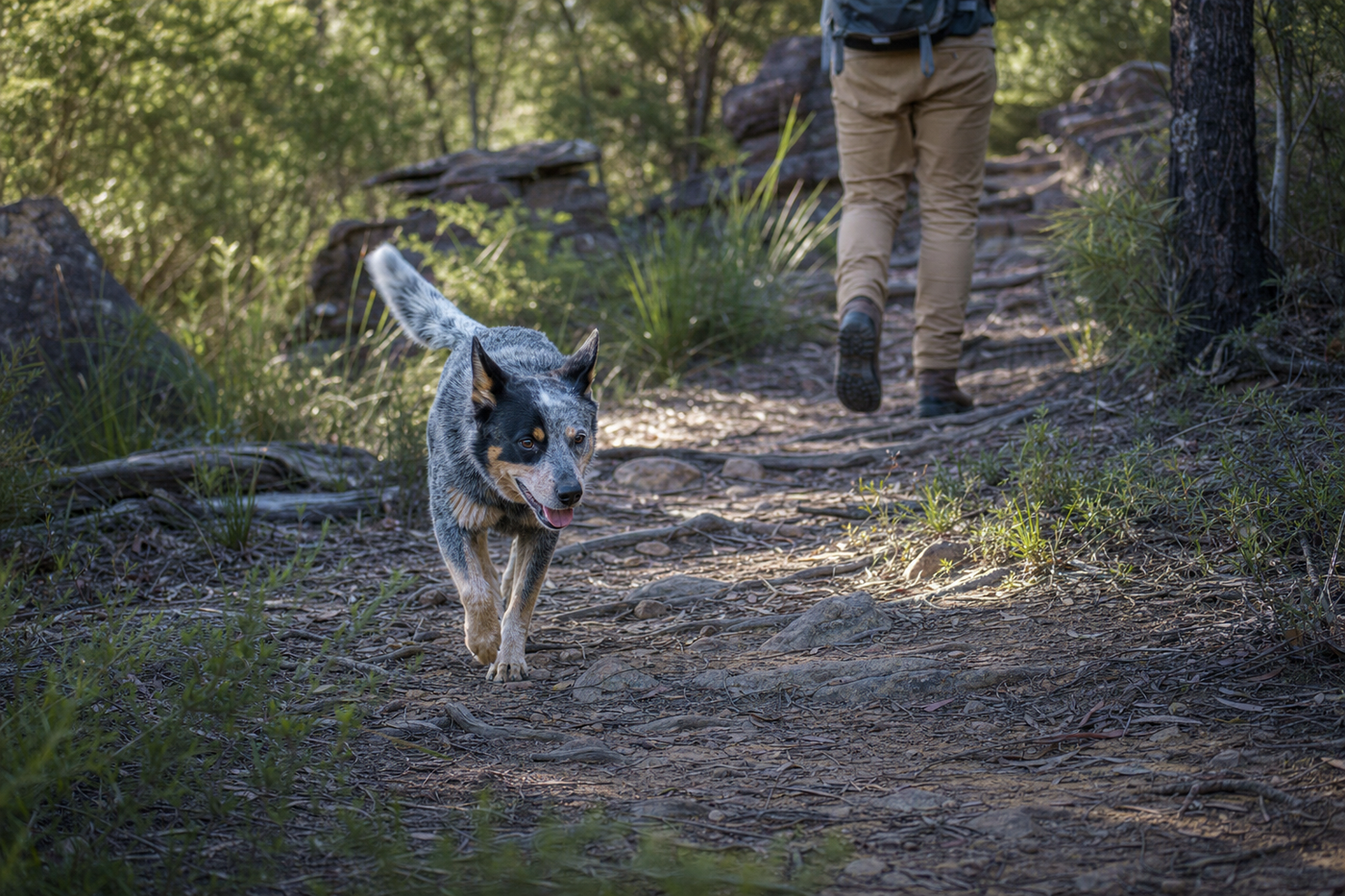
Heat stress and dehydration are serious risks for dogs at inland Discovery Parks during summer months. Never leave your dog in a car, and ensure constant access to shade and fresh water.
Some Discovery Parks are located in areas with wildlife such as snakes, spiders, and monitor lizards. Keep your dog on-lead in unfamiliar outdoor areas and check the ground before allowing them to lie down.
Do Discovery Parks Actually Allow Dogs
Yes, Discovery Parks welcomes dogs at most locations across Australia, but it is not a blanket policy at every single park. I rang around fifteen different Discovery Parks from Queensland down to Victoria last year and found that about eighty percent of their parks have a pet policy. The catch is that some parks allow dogs in certain accommodation types only, while others restrict them to designated areas of the property.
When I stayed at Discovery Parks Townsville with my kelpie cross, the manager told me they allow up to two dogs per cabin, but not in every cabin type. My recommendation is to phone the specific park you want to visit and ask directly whether dogs are permitted in the accommodation you have chosen. Many parks have different rules for ground-level cabins versus elevated ones, so clarifying this saves disappointment when you arrive.
What Dog Breeds or Sizes Are Restricted
Discovery Parks does not maintain a blanket breed ban that I could find, but individual park managers have discretion over their own policies. Some parks I contacted asked about my dog's temperament rather than breed, which I found refreshing. A few parks mentioned they prefer smaller dogs in shared accommodation areas, while others seemed unbothered by size.
The real limitation comes down to the number of dogs allowed. Most parks cap it at two dogs per booking, which caught me off guard when I tried to book with my sister and her two dogs as well. I suggest mentioning the specific breed when you call, especially if you have a dog with a reputation, because some parks do keep their own internal guidelines. If you have a large dog or multiple dogs, calling ahead is non-negotiable.
Gear we would pack
Some links below are affiliate links. Pawtrips may earn a commission at no extra cost to you.

Quiet 62L Pet Dryer Box with Smart Control
This ensures your pet stays comfortable and dry during your travels.
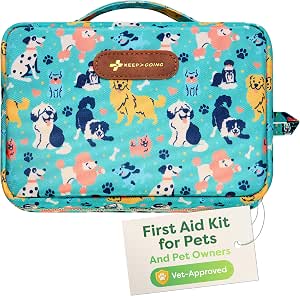
Dog First Aid Kit for Travel Emergencies
It's important to prepare for unforeseeable situations while travelling.

Dog Ear Muffs for Noise Protection
These ear muffs help keep your pet calm in noisy environments during travel.

Reduce Shedding with FURminator Conditioner
A well-groomed coat means less mess in your travel space.
How Much Extra You Pay for Your Dog
Pet fees at Discovery Parks typically run between ten and twenty dollars per dog per night, depending on the park and season. During my November stay at Discovery Parks Coffs Harbour, I paid fifteen dollars a night for my red heeler, which came to over one hundred dollars for a week. I was not thrilled about the cost but understood it covers extra cleaning and maintenance.
Some parks charge a flat fee per visit rather than nightly, so always ask how they calculate it before you book. I made the mistake of assuming all parks charged nightly rates, and I could have saved money if I had asked upfront. The pet fee is usually added to your invoice at checkout on the Discovery Parks website or over the phone. Unlike some competitors, I did not see Discovery Parks offering discounts for multiple dogs, so expect to pay for each dog separately.
What Your Dog Can and Cannot Access
Most Discovery Parks allow your dog around the cabin and immediate surroundings but restrict them from pools, playground areas, and communal dining spaces. I learned this the hard way at Discovery Parks Forster when I tried to bring my dog to the on-site cafe and was politely redirected. Standard rules prohibit dogs from food preparation areas and swimming facilities for health and safety reasons.
Some parks have dedicated dog areas or off-lead zones, usually in quieter corners of the property away from other guests. I was grateful to find an off-lead paddock at Discovery Parks Dubbo where my dog could run for thirty minutes each morning. The best parks provide water stations and shade structures in these dog zones. Before you arrive, ask the park manager whether they have designated dog areas so you know where your pup can stretch their legs safely.
Leash Requirements and Behaviour Rules
Discovery Parks generally require dogs to be on-lead in common areas, though this varies from park to park. When I stayed at Discovery Parks Yeppoon, the policy stated dogs must be leashed except in the designated off-lead area near the back gates. Some smaller, quieter parks have more relaxed policies, while busier parks in tourist hotspots enforce strict leash rules throughout the property.
Your dog must be under control at all times and cannot bark excessively or approach other guests uninvited. I watched a neighbour get a warning at Discovery Parks Caloundra when their dog jumped on people at the barbecue area, so parks do monitor behaviour. If your dog has aggression issues or severe anxiety, you need to think carefully about whether a busy caravan park is the right choice. Bring plenty of exercise before you arrive to tire your dog out and reduce stress-related barking.
Booking Your Stay and What to Provide
You can book Discovery Parks online through their website or by phone, and you must declare your dog during the booking process. When I book online, I search for dog-friendly parks using their filter, then click into each property to confirm their pet policy in the description. Most parks ask for your dog's name, breed, and size, and some request a contact number for the vet.
Have your dog's vaccination records and microchip details on hand when you book or arrive. I was asked to show proof of vaccination at Discovery Parks Hervey Bay, and having it ready on my phone made the check-in smooth. Some parks may ask about your dog's behaviour history or whether it is registered with the local council. Be honest about your dog's temperament because parks take liability seriously, and misrepresenting your dog could get you asked to leave.
Practical Tips for Comfort and Safety
Request a ground-level cabin or villa with direct outdoor access whenever possible, as this makes it easier to let your dog outside for toilet breaks without disturbing neighbours. I made the mistake of booking a first-floor cabin at Discovery Parks Merimbula and had to take the stairs multiple times daily, which wore me out. Most parks have a mix of cabin types, so asking specifically for pet-friendly units increases your chances of getting a suitable space.
Bring your own dog bed, blankets, and toys to make the cabin feel familiar. Discovery Parks cabins are generally well-maintained but can feel foreign to dogs, so familiar items help them settle faster. Pack enough food for your entire stay rather than relying on local shops, because you cannot guarantee they stock your dog's brand or dietary requirements. I also bring a portable water bowl and extra lead, because these items are easy to forget and shops can be far from the park.
Managing Heat and Weather at Different Parks
Australia's climate varies dramatically across Discovery Parks locations, and inland parks like Discovery Parks Alice Springs or Discovery Parks Carnarvon get stinking hot. During my June visit to Discovery Parks Uluru, temperatures hit thirty-four degrees Celsius, and I had to keep my dog inside the cabin during the hottest hours. Coastal parks are generally cooler, but humidity can be a problem during summer months in Queensland.
Always ensure your dog has access to shade and fresh water throughout the day. I learned to fill water bowls multiple times daily and avoid exercising my dog during peak heat hours. If you are travelling inland during summer, seriously consider postponing your trip or booking an air-conditioned cabin rather than a basic caravan. Heat stress can be fatal for dogs, and no holiday is worth putting your pup at risk.
Plus early access to new guides and partner deals.
No spam. Ever. Just the good stuff for you and your pet.