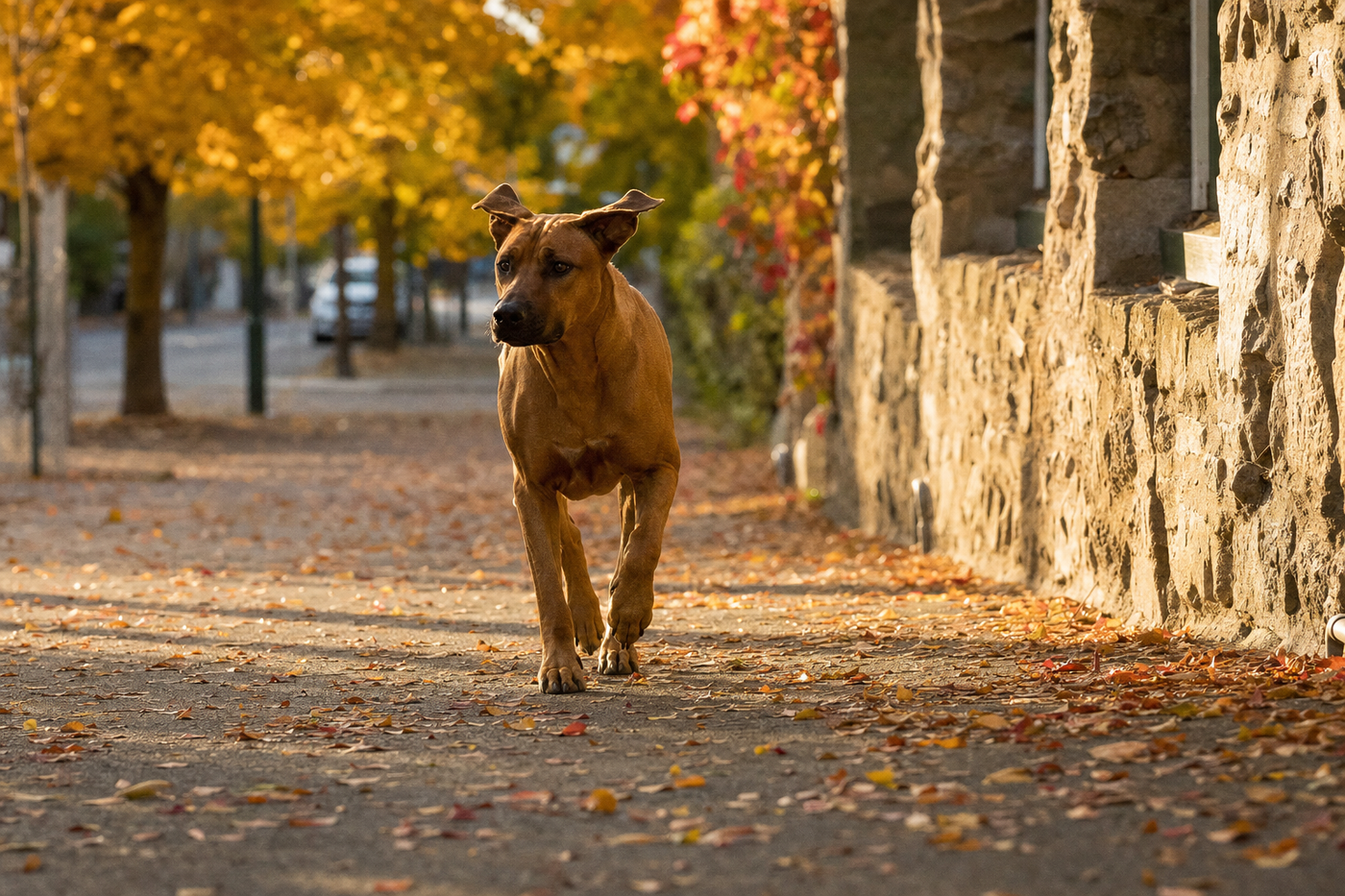
Paralysis ticks are active in the Adelaide Hills from October to April. Check your dog thoroughly every evening and consider vet-prescribed tick prevention during these months.
Summer temperatures in the Adelaide Hills regularly exceed 35 degrees. Heat stress in dogs can occur quickly and become life-threatening. Avoid peak heat hours and watch for signs of panting, lethargy, or drooling.
Why the Adelaide Hills Work So Well for Dogs
The Adelaide Hills region sits about 20 kilometres east of the city and offers cool temperatures, plenty of shade, and a slower pace than urban Adelaide. Your dog will appreciate the tree cover and the chance to explore without the summer heat that flattens dogs in the city. The villages here like Stirling, Heysen, and Summertown are genuinely compact, so you can park once and walk between shops and cafes without constant car trips.
Most Adelaide Hills villages have good mobile coverage, so you can check opening hours before you arrive. Many cafes and small retailers have outdoor seating areas where your dog can settle under a table. The elevation keeps temperatures down even in December and January, making summer visits tolerable if you time your walks right. We've found that visiting between June and September gives you the most comfortable conditions for longer adventures with your pup.
Stirling: The Main Hub for Dog Owners
Stirling sits at about 350 metres elevation and feels like the heart of the Adelaide Hills dog-friendly scene. The main street has at least six cafes with outdoor areas, and most owners will bring water bowls for dogs without being asked. The Stirling Community Oval nearby has an off-lead dog park with good fencing, so your dog can run for 20 to 30 minutes if they need the energy burn.
Park on Main Street or one of the side streets around Stirling. Your dog will walk past the IGA, the bakery, and several gift shops. Most locals have dogs themselves, so you'll see plenty of four-legged visitors. The Hill Street Cafe and Stirling Hotel both welcome dogs at their outdoor tables. After coffee, take a 15-minute walk up to the Stirling Peak lookout. It's a gentle slope through quiet residential streets with enough shade to keep your dog comfortable. The view back over Adelaide rewards the effort, and your dog will enjoy the sniffs along the way.
Gear we would pack
Some links below are affiliate links. Pawtrips may earn a commission at no extra cost to you.

Quiet 62L Pet Dryer Box with Smart Control
This ensures your pet stays comfortable and dry during your travels.

Dog Ear Muffs for Noise Protection
These ear muffs help keep your pet calm in noisy environments during travel.

Adjustable Dog Grooming Arm for Pet Owners
Keeps your pet secure during grooming.

Gentle Chew Toy for Teething Puppies
A calming chew toy is great for easing travel stress in puppies.
Heysen: The Quieter Option with Better Walks
Heysen sits about 8 kilometres south of Stirling and offers a calmer alternative if you want fewer crowds and better walking trails. The village itself is tiny, but it's the gateway to some of the best dog walks in the region. Start at Heysen Reserve, which has a small carpark and clean drinking fountains. From there, you can walk the Heysen Loop Track, a 4-kilometre circuit through eucalyptus forest and open grassland.
The Heysen Loop takes about 90 minutes at a relaxed pace with a dog. Your dog will encounter other walkers and dogs regularly, so it's a good social outing. The track is well-maintained, with minimal mud even after rain. Bring at least two litres of water because there are no shops along the route. The tree coverage is excellent, so you'll stay out of direct sun for most of the walk. We usually take snacks and sit at the halfway point near the small creek, where our dog can cool off in shallow water.
Summertown and the Waterfall Gully Track
Summertown sits about 12 kilometres from Adelaide and offers a different character from Stirling. The village has fewer cafes but a better selection of local produce shops and galleries. The real draw is the Waterfall Gully track system, which starts just outside the village. This walk takes you through fern gullies and alongside creeks, and it's perfect for dogs who enjoy natural landscapes.
The main Waterfall Gully walk is about 2.5 kilometres return and takes 45 minutes with a dog that stops frequently to investigate. The gully stays damp and cool, so your dog won't overheat. The ground is soft and uneven, which is easier on paws than sealed paths but requires more concentration from your dog. The track can be slippery after rain, so avoid it in wet conditions. There's a small kiosk near the carpark selling ice creams and drinks. Your dog will appreciate the creek at the bottom of the gully, where shallow water offers a chance to cool down.
Cleland Wildlife Park: Not Just for the Animals
Cleland Wildlife Park sits at about 360 metres elevation near Crafers and welcomes dogs on-lead throughout the grounds. Many people don't realise this because they think of it as a zoo, but it's actually a great outing if your dog is comfortable around other animals. The park covers about 35 hectares, so you're walking decent distances between enclosures. Your dog will see kangaroos, koalas, and native birds at close range from secure fenced areas.
Entry costs about 20 dollars for an adult, and dogs go free. The paths are mostly flat and shaded, which matters on warm days. We take our dog here in the cooler months and do the full loop, which takes about two hours. Your dog needs to be reliable on-lead because there are wildlife enclosures everywhere. Bring plenty of water because the park has limited shade in some sections. The visit is equal parts exercise for you and environmental enrichment for your dog, who gets interesting sights and smells throughout the outing.
Food and Cafe Culture for You and Your Dog
The Adelaide Hills cafe scene has adapted well to dogs. Most village cafes now assume dogs will visit and have water bowls ready. The Stirling Hotel, Hill Street Cafe in Stirling, and the Summertown Bakery all have outdoor seating where dogs are welcome. We've found that owners often get chatty about their own dogs, so these spots are good for meeting other Adelaide Hills regulars.
Order your coffee and food at the counter, then settle your dog under your table with a water bowl. Most cafes are fine with you sitting for 30 to 45 minutes without pressure to leave. The bakeries sell meat pies and sausage rolls that you can share with your dog if they've earned a treat. A few places have moved to serving water in small bowls rather than plastic cups, which your dog will appreciate. The vibe in these villages is relaxed, so you won't feel rushed. People expect to see dogs at outdoor tables, and staff are genuinely used to it.
Practical Tips for Your Adelaide Hills Visit
Plan to spend at least half a day in the Adelaide Hills, ideally a full day. Leave Adelaide between 8 and 9 in the morning to avoid mid-morning traffic on the South Eastern Freeway. The drive takes about 30 to 40 minutes from the city. Stop at a petrol station before you hit the hills to fill your water bottles and grab supplies. Your dog will need a toilet break at the start of the drive, so plan for that before you leave home.
Bring a collar, lead, and waste bags because you'll need them constantly. Many walking trails have bins, but some don't, so carry your dog's waste with you. Wear comfortable shoes because Adelaide Hills walks involve more elevation change than flat suburban paths. Your dog's paws need the same protection you'd give your feet. Check weather forecasts before you leave because afternoon storms can arrive quickly in summer. Download offline maps to your phone because mobile coverage drops in some gullies and forest areas. Most importantly, don't feel pressured to do the longest walk or visit every village. One walk and one good cafe stop makes for a perfect day with your dog.
When Not to Visit the Adelaide Hills with Your Dog
Avoid the Adelaide Hills in December, January, and February if you can. The temperature routinely hits 35 to 38 degrees, which is dangerous for dogs even in the hills. The shade helps, but your dog will still risk heat stress. If you must visit in summer, walk before 9 in the morning and after 4 in the afternoon. Many dog owners we've met have learned this lesson the hard way.
Also skip the hills on days with total fire bans. The forests are dry and vulnerable, and your dog could panic if nearby fires develop. Check the CFA website before you leave Adelaide. Avoid walking during tick season, which peaks from October to April in South Australia. This is when paralysis ticks are most active in the Adelaide Hills. If you're walking during these months, check your dog thoroughly every evening and consider using vet-recommended tick prevention. Finally, don't visit during school holidays in peak season if you want peace and quiet. The villages become very busy, and carparks fill quickly.
Plus early access to new guides and partner deals.
No spam. Ever. Just the good stuff for you and your pet.