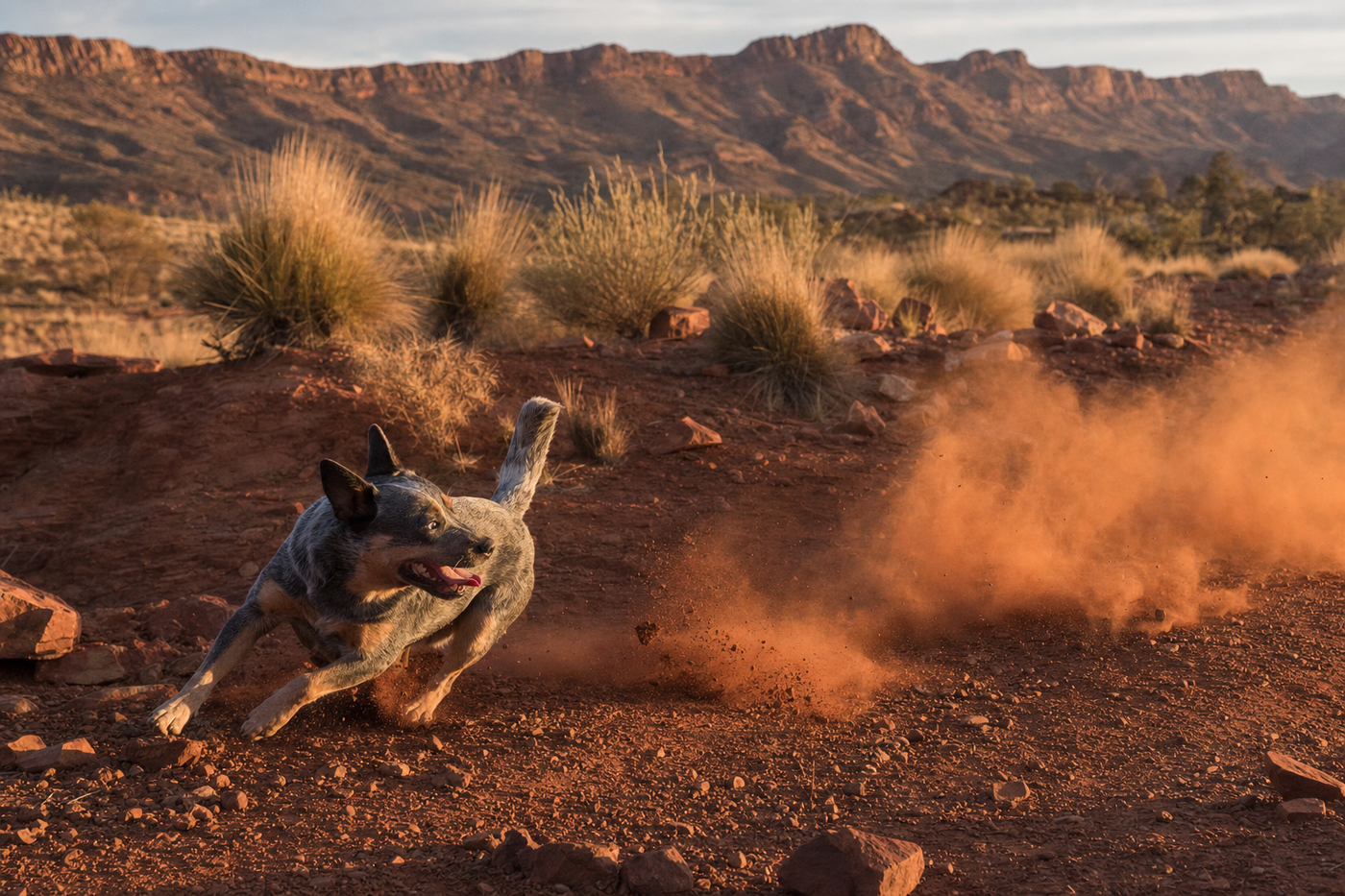
Ground temperatures in Alice Springs reach 60 degrees Celsius in summer and will burn a dog's paw pads in minutes. Never walk dogs on exposed pavement or earth between 10 am and 4 pm from October to March.
Dogs can suffer heat stroke and collapse within hours in the Red Centre. Signs include pale gums, excessive panting, drooling, and stumbling. If your dog shows these signs, move them to shade, apply cool water to their chest and inner thighs, and call a vet immediately.
Why Alice Springs works for dogs despite the heat
Alice Springs surprises a lot of people. You walk into the town expecting a sprawling desert where dogs cook on the pavement, but instead you find proper shade, green parks, and locals who clearly love their pets. The town sits 1,100 metres above sea level, so summer temperatures stay below what you'd hit in Sydney or Brisbane, though they still climb to 40 degrees Celsius in January and February.
The real advantage is that locals understand the heat. Shops have water bowls outside. Parks have shaded areas. Dog owners here have learned how to manage desert travel, and that knowledge filters into the whole town culture. Your dog will encounter other travellers with dogs on the trail, in accommodation, and at cafes. The community isn't dismissive of your pet's needs because people here need their pets to survive the climate too.
Alice Springs sits 462 kilometres from Uluru, which makes it your base for exploring the Red Centre. Most dog owners stay in town, take day trips, and return to their accommodation. This pattern works well because dogs get rest between outings and you're not constantly moving accommodation around.
Finding pet-friendly accommodation you can actually book
You cannot rock up to Alice Springs without organised accommodation if you're travelling with a dog. Pet-friendly rooms get reserved months ahead, especially during school holidays in April, July, and September. The good news: several reliable options exist, and most owners will let dogs stay if you ring ahead rather than booking online.
The Alice Springs Resort allows dogs in some rooms for an extra fee around 25 dollars per night. The rooms have direct access to gardens where your dog can move around without wandering through shared corridors. Another solid option is the Chifley Alice Springs, which permits dogs in ground-floor rooms near the carpark. Your dog avoids lifts and shared hallways, which keeps other guests happy.
Holiday homes and apartments offer more space than hotel rooms. Check Stayz and Booking.com directly and filter for pet-friendly properties. Many have fenced yards, which means your dog doesn't need a walk at midnight if they're unsettled by new surroundings. A two-bedroom house rents for 80 to 150 dollars per night and gives your dog room to settle properly. This approach often costs less than multiple hotel nights when you add fees.
Gear we would pack
Some links below are affiliate links. Pawtrips may earn a commission at no extra cost to you.
Pet-friendly stays on Booking.com
Booking.com filters for pet-friendly properties in Alice Springs, letting you see which hotels, resorts, and holiday houses accept dogs before you ring ahead. You can read reviews from other travellers who arrived with dogs and learn specific details about which rooms have fenced yards or direct garden access.
Pet-friendly holiday houses on Stayz
Stayz lists hundreds of pet-friendly holiday homes in Alice Springs with fenced yards and full kitchens. Renting a house gives your dog space to settle away from hallways and other guests, plus you can prepare meals for picky eaters rather than relying on restaurants and takeaway.
The safest and most rewarding walks near town
Todd River Reserve runs straight through Alice Springs for 7 kilometres. The walking track stays flat, mostly shaded, and your dog can splash through the river in summer months. Start early, around 6 am, and you'll have the place mostly to yourself. By 9 am, the heat becomes dangerous for dogs on the pavement. The reserve has water taps near the carpark at Anzac Hill lookout, so you can refill bottles before and after your walk.
Tod's Reserve (different from Todd River) offers a gentler option closer to town. The loop is 2 kilometres, shaded for most of the route, and extremely popular with local dog owners. You'll see at least five other dogs on a weekend morning. The ground is red earth and rocks rather than pavement, which stays cooler under paw than bitumen.
Avoid walking dogs on Todd Street or the main shopping areas between 10 am and 4 pm. The pavement heats to temperatures that will burn a dog's paw pads in minutes. Local vets see dogs with burnt feet regularly in summer. If you need to walk through town, stick to the grass verges where council has developed them.
PitPat Dog GPS Tracker - No Subscription Needed
When you're exploring unfamiliar terrain around Alice Springs, a GPS tracker gives you real-time peace of mind. If your dog wanders off a track or decides to chase wildlife in the scrub, you'll know exactly where they are. No monthly subscription means you're not paying extra on top of accommodation and car hire costs.
Day trips from Alice Springs: what dogs can and cannot do
Uluru National Park allows dogs on certain walking tracks but not on others. The Kuniya Walk, which takes 2 kilometres return and leads to a waterhole, does permit dogs. The Mala Walk, 2.2 kilometres return, does not. Book the ranger station before you visit so you understand exactly which tracks your dog can walk. Some people rock up expecting to do Uluru with their dog and turn back disappointed.
Kings Canyon, 223 kilometres south, has similar restrictions. Dogs cannot do the full 6 kilometre rim walk, but they can walk the 2.6 kilometre creek bed walk, which stays shaded and includes water for your dog to splash through. This walk is actually better for dogs than the rim walk because they don't overheat.
West MacDonnell Ranges offers several dog-friendly drives and short walks. Serpentine Gorge, 23 kilometres west of town, has a 2 kilometre walk to a waterhole. Dogs love this walk because they can swim at the end. Ormiston Gorge, 42 kilometres further, has a 3 kilometre circuit with water access and shade from river red gums. Pack water anyway because hot months see the gorge crowded with tourists filling bottles.
Managing heat, hydration, and ground temperature
Heat in the Red Centre kills dogs. Not slowly over weeks but quickly during a single outing. Your dog's paw pads will burn on bitumen and red earth when it reaches 45 degrees Celsius. You cannot see the damage immediately because the dog might not limp until evening when the pain hits.
Carry water for every trip. Two litres minimum for a medium dog on a 2 kilometre walk. Use a collapsible bowl that clips to your backpack so you can offer water every 15 to 20 minutes in summer. A dog that drinks regularly doesn't overheat the same way a dehydrated dog does. Check your dog's gums while walking: they should be bright pink, not pale. Pale gums mean your dog's body is diverting blood from the surface to protect internal organs, which signals heat stress.
Start walks before 7 am in summer. Finish by 10 am. Resume walking at 5 pm when ground temperatures drop. The middle of the day, even in shaded areas, becomes unsafe. Dogs absorbed into enjoying a walk don't stop themselves. Your dog will collapse before telling you they're exhausted.
Seresto Flea and Tick Collar for Large Dogs Over 8kgs
Central Australia's warm climate creates ideal conditions for fleas and ticks that you won't encounter on the coast. This collar lasts eight months, which covers your entire visit plus months after you return home. It's easier to manage than monthly applications in a dry climate where skin irritation matters.
Essential supplies and things you cannot buy locally
Alice Springs has two supermarkets and one main veterinary clinic. If your dog needs prescription food or specific medications, bring a two week supply. The vet can order items, but it takes a week for delivery from Darwin or Adelaide. Running out of your dog's regular food in Alice Springs means either switching brands suddenly, which can cause digestive upset, or driving to another town.
Flea and tick collars suited to central Australia's climate are essential. The warm, dry environment creates ideal conditions for paralysis ticks in some seasons. A collar that lasts eight months provides continuous protection without needing monthly applications that can dry out skin in the desert heat. Bring freeze-dried treats or kibble as backup food in case your accommodation fridge breaks or your dog refuses new food from stress.
Sunscreen for your dog's nose and ears matters if your dog has light coloring or thin fur. The sun reflects off red earth, which doubles exposure. Pack a small first aid kit with burn cream, antiseptic, and tweezers for removing prickles. Prickly pear cactus and spinifex grass shed spines that embed between paw pads. A dog won't show lameness until evening, so check feet after every outdoor activity.
K9 Natural Grain Free Freeze Dried Dog Food Lamb and Salmon 1.8kg
If your dog's regular food isn't available in Alice Springs or your dog refuses new brands due to stress, freeze-dried food provides complete nutrition without needing refrigeration. One bag lasts weeks when mixed with water, so you can pack it in your car without worrying about spoilage in the heat.
Seasonal timing and when to visit with your dog
April to September is the only time you should travel to Alice Springs with a dog. April and May offer mild temperatures in the low 30s Celsius, blue skies most days, and manageable walking conditions. This is peak tourist season, so accommodation costs more and books out faster. September brings spring wildflowers but also heat starting to climb back toward 35 degrees Celsius.
October to March presents dangerous conditions for dogs. November, December, January, and February average 38 to 40 degrees Celsius. Humidity spikes in December and January, which prevents dogs from cooling through panting. The ground temperature reaches 60 degrees Celsius in full sun. You will struggle to find three hours of the day when you can safely walk a dog.
Winter, June to August, is actually cooler than many Australian cities. Midday temperatures sit around 20 degrees Celsius with nights dropping to 5 degrees Celsius. This feels cold coming from the coast, but it means dogs can walk most of the day without heat stress. If you can arrange travel in June or August, your dog will enjoy the Red Centre more than almost any other Australian region.
What locals know about keeping dogs safe in the outback
Long-time Alice Springs residents keep several practices that visitors miss. They walk dogs at specific times, use particular routes where shade is guaranteed, and always carry water in their car. They also know which shops welcome dogs inside during hot periods rather than requiring them to wait outside. The Coles supermarket and several cafes in Todd Street will let your dog rest inside near the door during hot midday hours.
Locals also understand that some dogs struggle with the dryness. Skin can flake and crack. Paws can split. A dog that has lived on the coast their whole life might need moisturiser applied to their paw pads and nose after a few weeks in the Red Centre. Your vet can recommend products, but locals often use simple olive oil, which works well and doesn't cost much.
One thing locals stress: do not leave your dog in a car, even for five minutes, even with windows cracked. A parked car reaches 70 degrees Celsius inside in summer. In winter, overnight temperatures can drop close to freezing. Always take your dog into air conditioned spaces or leave them at your accommodation where they can rest safely.
Plus early access to new guides and partner deals.
No spam. Ever. Just the good stuff for you and your pet.