A dog overboard situation develops in seconds: life jackets with grab handles and constant supervision are non-negotiable safety measures, not optional comfort items
Salt water ingestion causes hypernatremia, a serious electrolyte imbalance that presents as lethargy and vomiting within hours: prevent this entirely by restricting your dog's access to saltwater and ensuring constant fresh water availability
Why Australian Waters Work for Dogs
Australia offers some of the best conditions for dog-friendly boating in the world. Many Australian operators have become genuinely dog-savvy over the past decade, and coastal towns from Cairns to Adelaide now actively welcome travelling dogs. The calm bays and protected waters around places like Port Stephens, the Whitsundays, and Tasmania's Huon River suit dogs far better than rough ocean conditions.
Your dog doesn't need to be a water breed to enjoy boating. I've taken a nervous blue heeler on ferries across Port Jackson and a lazy pug on a day charter around Magnetic Island, and both had the time of their lives. The key is finding the right trip for your dog's temperament and fitness level. Nervous dogs often thrive on shorter ferry rides where they can see land the whole time. Active dogs prefer longer charters where they can settle into a rhythm.
Sydney Ferries and Harbour Cruises
Sydney Ferries allow dogs on leads across most inner harbour routes, making them the easiest entry point for city-based dog owners. The Circular Quay to Watsons Bay route takes about 20 minutes and gives your dog a genuine water experience without the commitment of a full charter. Dogs travel free on all public ferries, though you'll need to keep your dog on a lead in designated areas and avoid peak commute times.
Private harbour cruise operators like Salty Dog Cruises actually specialise in dog-friendly trips around Sydney. These four-hour cruises depart from Darling Harbour and cost around 85 dollars per person, with your dog going free. The crew brings water bowls, and routes take you past the Heads where dogs can feel the proper ocean breeze. I've watched dogs go from boat-anxious to boat-obsessed on these trips. Booking ahead is essential, particularly during school holidays when weekend cruises fill up within days.
Gear we would pack
Some links below are affiliate links. Pawtrips may earn a commission at no extra cost to you.

Quiet 62L Pet Dryer Box with Smart Control
This ensures your pet stays comfortable and dry during your travels.
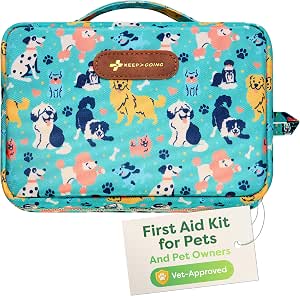
Dog First Aid Kit for Travel Emergencies
It's important to prepare for unforeseeable situations while travelling.

Dog Ear Muffs for Noise Protection
These ear muffs help keep your pet calm in noisy environments during travel.

Reduce Shedding with FURminator Conditioner
A well-groomed coat means less mess in your travel space.
Queensland Charters: Whitsundays and Cairns
The Whitsundays offer several dog-friendly charter options that range from three-day sailing adventures to half-day motor yacht trips. Yacht charters like those departing from Airlie Beach typically allow well-behaved dogs on multi-day trips, though you'll need to discuss this directly with individual operators weeks in advance. Most require proof of vaccination and confirmation that your dog is comfortable in confined spaces. The advantage of a three-day charter is that your dog acclimates quickly and spends most of the time relaxed below deck.
Cairns-based operators run dog-friendly trips to the Great Barrier Reef and nearby islands, though these work better for dogs comfortable in sea swells. Budget around 150 to 250 dollars per person for half-day trips. Many Cairns charters allow dogs on the boat but restrict them from the reef itself, which is reasonable given boat traffic and safety concerns. The key advantage here is the calm Coral Sea conditions compared to open ocean. Always ask whether your dog can stay on deck or if cabin space is available, as some boats expect dogs to remain below in warm conditions.
Kayaking with Dogs on Australian Rivers
Kayaking offers a quieter water experience that many anxious dogs prefer over larger boats. South Australian operators on the Murray River and Victorian guides on the Goulburn River offer dog-friendly paddling trips where your dog sits in the kayak with you or, more safely, in a tandem kayak with a guide. These trips suit dogs weighing under 15 kilograms and dogs with some swimming confidence. The Murray River paddling trips near Echuca typically cost 60 to 100 dollars and take two to three hours.
Tasmania's Huon River near Hobart has become a dog-friendly paddling hotspot. The calm, protected waters and stunning scenery make it feel less like exercise and more like a very slow adventure. Your dog wears a fitted life jacket attached to you with a short lead, allowing them to stabilise themselves naturally. I've taken a senior golden retriever on a Huon River paddle who spent the entire time watching the shoreline, completely content. These trips work best with a guide who has experience steadying nervous dogs and managing the kayak's balance.
Practical Preparation: Fitness and Training
Before your dog boards any boat, build their water confidence gradually. Start with very short ferry rides across protected harbours rather than jumping straight into a three-day charter. Many dogs experience motion sickness on their first trip, so ask your vet about tablets preventatively. Ring your vet about two weeks before your planned trip and discuss your dog's age, any joint issues, and anxiety levels. Most vets will suggest short trips first and gradual exposure.
Your dog needs reliable recall and comfort with strangers, as crew members will interact with them. Practice sitting calmly on a lead in busy environments before boarding. If your dog pulls constantly or barks at unfamiliar sounds, boat trips will stress them rather than delight them. I learned this the hard way when I took a reactive cattle dog on a busy Sydney ferry during school holidays. The noise and crowds made the experience awful for everyone. Wait until your dog is genuinely relaxed in public settings before choosing busy routes.
Essential Gear and What to Pack
A correctly fitted life jacket ranks above every other item when travelling on water with your dog. This isn't optional gear: it's the difference between life and death if your dog falls overboard. Budget 60 to 120 dollars for a quality jacket with grab handles, which also allows crew members to assist your dog quickly. Non-slip booties prevent paw injuries on slippery boat decks and help anxious dogs feel more secure. Bring these in your bag even if you're unsure about using them.
Pack more fresh water than you think you'll need because salt spray makes dogs thirsty and nauseous. Bring collapsible bowls, as most boats lack suitable water dishes. Include a waterproof blanket or towel for drying afterwards, particularly in cool weather. A lightweight harness with a short lead works better than a collar on boats because it gives you control without choking pressure when the boat moves suddenly. I've also packed dramamine tablets, paw balm for salt-dried paws, and a small first aid kit including tweezers for removing sea urchin spines.
Reading Your Dog During the Trip
Watch your dog's body language constantly throughout your boat trip. Signs of genuine distress include panting, pacing, drooling, or vomiting beyond the first 10 minutes. Mild motion sickness often passes quickly once dogs settle, but persistent distress means your dog isn't suited to boating in those conditions. Some dogs respond well to staying below deck in a cool, quiet space rather than on the exposed upper deck. Ask crew members if cabin access is possible.
Happy dogs show relaxed body language, forward-facing attention, and willingness to move around. Many dogs love standing near the bow watching the water or sitting calmly while holding a kong. I've seen nervous dogs transform into confident adventurers after their third or fourth trip. The transformation usually happens around the 45-minute mark when they realise the boat isn't sinking and they're safe. That moment makes all the preparation worthwhile.
Cost and Booking Strategies
Public ferries represent the most affordable option, ranging from five to eight dollars per person with dogs travelling free. Private charters cost between 85 and 250 dollars per person depending on duration and location, with dogs usually travelling free or for a small fee. Multi-day sailing charters in the Whitsundays run 300 to 500 dollars per person with dogs sometimes charged at half-price.
Book private charters at least three to four weeks ahead, particularly if travelling during school holidays. Ring operators directly rather than using online booking systems, as you need to discuss your specific dog's requirements. Many smaller operators cap dog numbers at two per trip to maintain safety and comfort standards. Email confirmation should specify your dog's weight, breed, and any health considerations. Cancellation policies vary widely, so confirm these details before paying deposits.
Plus early access to new guides and partner deals.
No spam. Ever. Just the good stuff for you and your pet.