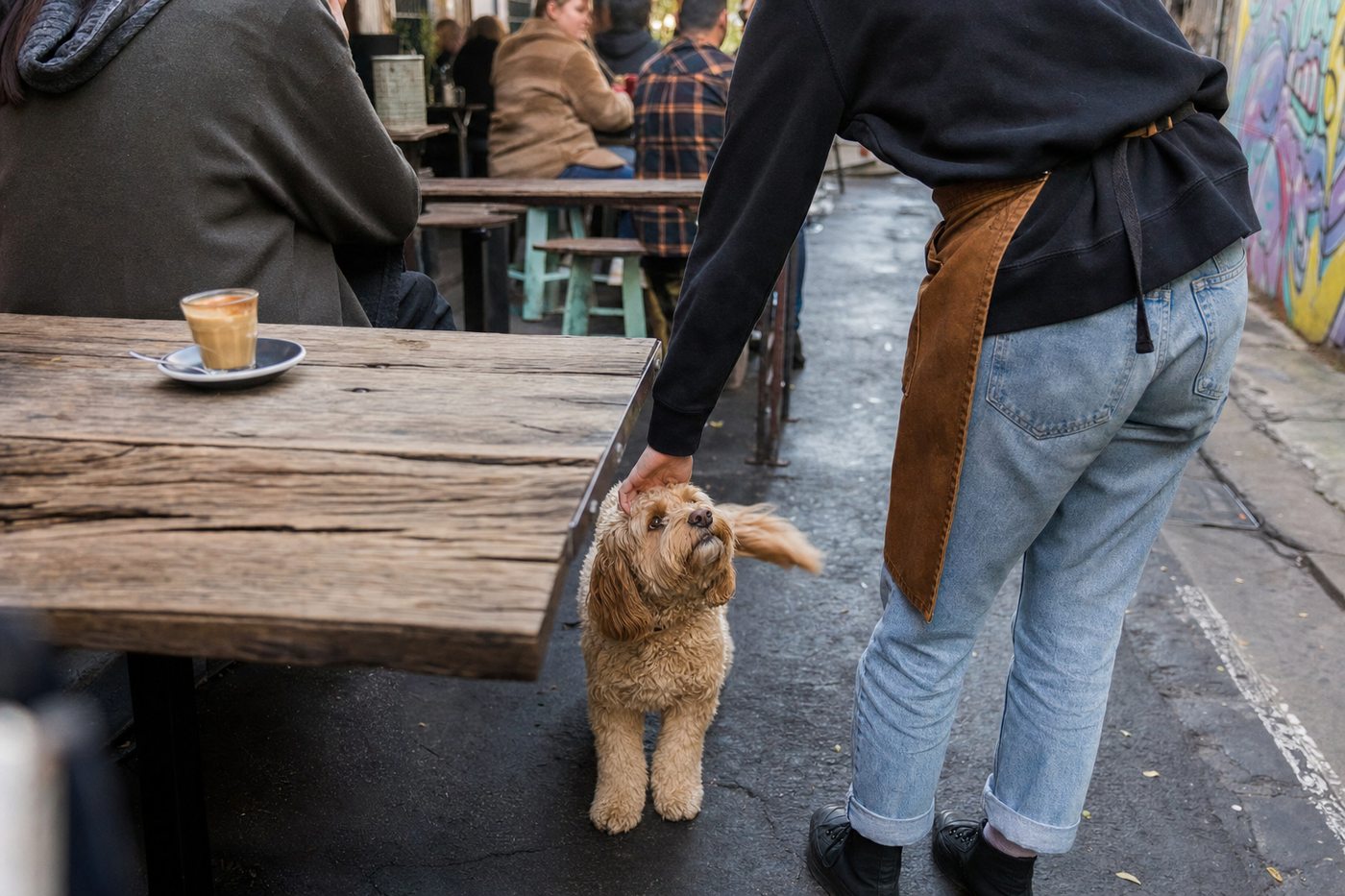
Australian heat can cause rapid dehydration and heatstroke in dogs sitting outside cafes. Never visit during peak heat hours (11 am to 3 pm) in summer without excellent shade and constant water access.
Some dog owners bring aggressive or reactive dogs to cafes, creating unpredictable situations. Keep your dog close, watch other dogs approaching, and leave immediately if tension builds.
Why Australian Cafes Are Opening Their Doors to Dogs
Dog-friendly cafes have become mainstream across Australia's major cities over the past five years. Cafe owners in Melbourne, Sydney, Brisbane, and Perth realised that pet owners spend money and often visit more frequently when they can bring their furry companions along. I started noticing pubs and brunch spots with water bowls outside and "dogs welcome" signs around 2019, and it's only grown since then.
The culture shifted partly because Australians genuinely love their dogs. We treat them as family members, not just pets. Cafes realised excluding dogs meant losing entire customer groups during weekend brunch or weekday coffee runs. Some venues even started offering dog treats or special menus, though this remains rare outside upmarket establishments in inner-city suburbs.
However, being dog-friendly doesn't mean every cafe welcomes every dog in every circumstance. The rules vary wildly depending on location, ownership, and local council regulations. What works in Fitzroy might not work in Canberra, and a venue that allowed dogs yesterday might change their policy tomorrow.
How to Find Dog-Friendly Cafes in Your Area
The simplest way is ringing ahead. I cannot stress this enough because so many cafe staff give contradictory answers online. I once drove 20 minutes to a cafe in Darlinghurst that claimed to welcome dogs, only to be turned away because the manager on duty that day had a personal policy against it. Now I always call the day before and ask specifically: "Are dogs welcome outside right now?"
Google Maps and local review sites mention dog policies in comments, though not always accurately. Pawtrips' own platform lists verified dog-friendly venues across Australia, which saves you the guesswork. Local Facebook groups for dog owners in your suburb often have crowdsourced lists and real recommendations from people who've actually been there.
When you do find a cafe that welcomes your dog, be a good ambassador. Other dog owners will follow your lead, and the cafe owner will continue welcoming pups if your visit goes smoothly. I've seen cafe owners reverse their policies after one badly behaved dog ruined it for everyone else.
Gear we would pack
Some links below are affiliate links. Pawtrips may earn a commission at no extra cost to you.

Quiet 62L Pet Dryer Box with Smart Control
This ensures your pet stays comfortable and dry during your travels.
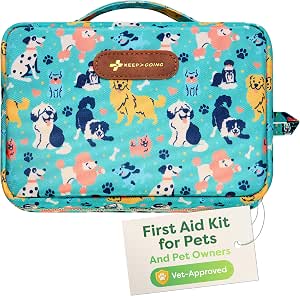
Dog First Aid Kit for Travel Emergencies
It's important to prepare for unforeseeable situations while travelling.

Dog Ear Muffs for Noise Protection
These ear muffs help keep your pet calm in noisy environments during travel.

Reduce Shedding with FURminator Conditioner
A well-groomed coat means less mess in your travel space.
What Actually Happens When You Arrive With Your Dog
Most Australian cafes seat dog owners at outdoor tables only. You'll rarely find a cafe that lets dogs sit inside, even in the entryway. The outdoor section might be a leafy courtyard, a footpath with umbrellas, or a beer garden with picnic tables. I took my kelpie, Bess, to a cafe in Surry Hills last month where outdoor seating was literally on the footpath next to a busy road. We sat there anyway because that's what dog owners do.
Staff behaviour varies enormously. Some cafes actively welcome your dog, bring water without asking, and chat about your pup while taking your order. Others tolerate your presence with visible irritation. A few venues make it clear your dog is unwelcome regardless of their website's claims. I've learned to read the room quickly and decide whether to stay or move on.
Your dog will experience the cafe differently depending on their temperament. Anxious dogs find the noise stressful. Friendly dogs want to greet every passing person. Food-motivated dogs obsess over other people's meals. Older dogs just want to lie down in the shade for two hours. Understanding your own dog's personality determines whether a cafe visit is pleasant or a nightmare.
Essential Cafe Etiquette for Dog Owners
Keep your dog on a lead at all times, even if the cafe is quiet and your dog is extremely well-trained. You cannot predict how other dogs will behave if yours is loose, and some cafe patrons are genuinely frightened of dogs regardless of size or temperament. A two-metre lead works well for outdoor cafe seating. I use a carabiner to clip Bess's lead to my chair leg so she can't wander toward other tables.
Bring your own water and bowl. Most cafes will not provide these, and you shouldn't expect them to. A collapsible travel bowl takes up almost no space in a bag and means your dog stays hydrated during a 90-minute brunch. On hot days, I refill Bess's bowl every 20 minutes even if she hasn't finished it. Dehydration happens quickly, especially for darker-coated dogs sitting in the sun.
Clean up after your dog immediately. Pack poo bags and take them with you. If your dog has an accident, tell a staff member straight away and help clean it up yourself. This small action determines whether that cafe remains dog-friendly for the next person. I've seen cafe owners ban dogs permanently after one owner left a mess and pretended it didn't happen.
Managing Your Dog's Behaviour in Cafe Settings
Exercise your dog before going to a cafe. A tired dog is a well-behaved dog, and this rule applies in outdoor dining settings more than anywhere else. I take Bess on a 30-minute walk or a trip to the dog park before we head to a cafe. A dog that's burnt off energy is happy to lie down and rest while you enjoy your flat white.
Train basic impulse control before attempting cafe visits. Your dog should sit calmly, not lunge at passing dogs or people, and respond to your voice commands even in distracting environments. Cafe settings are busy and loud, so control matters more than in quieter places. If your puppy is still in that chaotic stage, wait another few months before introducing cafe culture.
Don't let your dog eat scraps from other tables or beg from nearby customers. This annoys other diners and encourages bad habits. Some cafe patrons will intentionally feed your dog despite you asking them not to. I've watched my dog receive a whole sausage from a well-meaning stranger, which then sent Bess's stomach into chaos for two days. Keep your dog's focus on you, not on food circulating nearby.
Regional Differences Across Australian Cafes
Melbourne's inner suburbs like Fitzroy, Brunswick, and Southbank have the highest concentration of dog-friendly cafes in Australia. Cafes there actively market themselves as dog-welcoming, and you'll see numerous dogs at any busy brunch spot on weekends. The culture is so established that most staff expect dogs to arrive.
Sydney's inner-city areas including Surry Hills, Paddington, and Newtown have good dog-friendly options, though policies are more inconsistent than Melbourne. Bondi and Coogee have seasonal beach cafe culture where dogs are common in warmer months but less welcome during winter.
Brisbane's South Bank and Fortitude Valley areas offer dog-friendly venues, though the heat makes cafe visits uncomfortable during summer months from December through February. Cafes here have excellent shade structures, which matters when your dog is sitting outside in 38-degree heat.
Perth's Northbridge and Subiaco neighbourhoods have dog-friendly options growing steadily. Adelaide, Hobart, and Canberra have fewer concentrated areas but individual cafes that welcome dogs. Regional areas vary wildly. Some country towns embrace dogs everywhere, while others maintain strict policies.
What Not to Do at Australian Dog-Friendly Cafes
Never assume a cafe is dog-friendly just because it's on a list or has dogs present on your last visit. Policies change seasonally, after incidents, or when management changes hands. Always confirm directly with staff before settling in with your dog.
Don't leave your dog unattended while you use the bathroom or answer a phone call. Your dog's safety is your responsibility, and other customers shouldn't have to supervise your pet. I've seen dogs get stolen or injured because owners stepped away briefly.
Never allow your dog to jump on customers or tables. This behaviour seems cute in a home environment but terrifies strangers and damages the dog-friendly reputation of that cafe. Setting boundaries protects everyone.
Don't bring a dog that's visibly unwell, aggressive, or excessively anxious to a cafe. If your dog is stressed, recovering from surgery, or showing signs of illness, it's a cafe visit, not an emergency outing. Your dog's wellbeing comes first.
Avoid peak times on your first visit to a new cafe. Going on a quiet Tuesday morning lets you gauge your dog's reaction without overwhelming them. Busy Saturday brunch can wait until you know how your specific dog handles that environment.
Planning Successful Cafe Days Around Australia
Build cafe visits into your broader travel plans rather than making them the destination themselves. I plan a cafe stop during a walk around a neighbourhood or on the way home from the dog park. This keeps your dog's energy level manageable and prevents the visit from becoming too long or stressful.
Check the weather before heading out. Australian sun is intense, and concrete reflects heat upward. A dog sitting outside a cafe on a 32-degree day can overheat within 20 minutes even with water available. Choose cooler times of day or venues with substantial shade structures. I avoid cafe visits in summer unless the location has overhead shade or is within 500 metres of a beach or park where we can relocate if needed.
Time your visit to align with your dog's meal schedule. If your dog normally eats at 6 pm, don't take them to a cafe at 5 pm expecting them to relax. Similarly, take them after their breakfast if morning cafes are your preference. A hungry dog is a restless dog.
Bring entertainment for your dog if the visit will be long. A safe chew toy or a Kong filled with something engaging keeps your dog occupied and prevents boredom-induced misbehaviour. I've seen dogs become destructive or loud simply because they had nothing to do for an hour while their owner lingered over a second coffee.
Plus early access to new guides and partner deals.
No spam. Ever. Just the good stuff for you and your pet.