Dogs can develop heat stress within minutes in parked cars during warm weather. Never leave your dog unattended in a vehicle, even briefly, when the outside temperature exceeds 22 degrees Celsius.
Some vineyard chemicals and fertilisers are toxic to dogs. Always keep your dog on a lead and away from sprayed areas or equipment, and ask winery staff about any recent treatments before letting your dog roam the grounds.
Why Clare Valley Works for Dogs
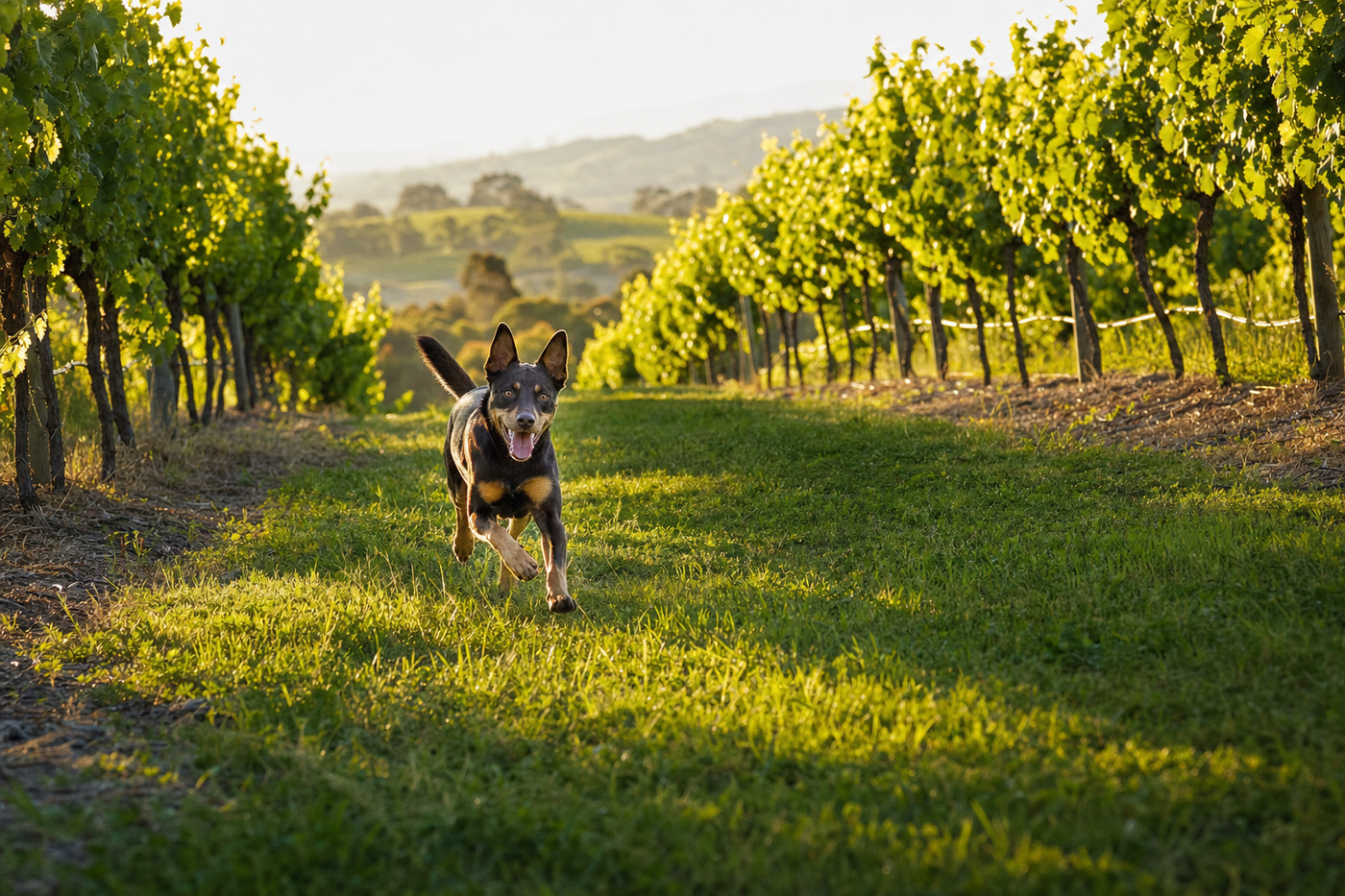
Clare Valley sits roughly 90 minutes north of Adelaide and offers a mix of working vineyards, open countryside, and quiet country roads perfect for dogs who get bored in cities. My kelpie cross spent three days there last autumn and barely wanted to leave the car when we arrived, which told me everything about how much space there was. The valley has a laid-back attitude compared to touristy wine regions, and many property owners actually prefer dogs to groups of rowdy humans.
The region runs about 30 kilometres end to end, so you can visit multiple wineries or accommodation spots without spending your whole day driving. Most dog owners I spoke to said they'd brought their pets specifically because they didn't want the stress of finding pet sitters back home. The smaller wineries especially tend to be more relaxed about dogs wandering the grounds, though you'll always need to check first.
Dog-Friendly Wineries in Clare Valley
Sevenhill Cellars and Polish Hill River Estate both welcome dogs on their grounds, though you'll want to ring ahead during busy weekends. I visited Sevenhill on a Wednesday with my dog and we had the lawn to ourselves, which made it easy to keep him calm while I tasted a few wines. Polish Hill River has more dramatic views and a slightly wilder feel; the owners seem genuinely happy to see dogs roaming around.
Clare Valley Vineyard and Pauletts are two other spots I'd recommend, though Pauletts gets busier and you'll need to be more careful about keeping your dog close during peak hours. Most of these places charge standard tasting fees with no extra charge for dogs. The key is ringing the day before to check they're not hosting a large group event, since that changes the vibe completely. Bring a long lead rather than an extendable one so you have better control near the wine production areas.
Gear we would pack
Some links below are affiliate links. Pawtrips may earn a commission at no extra cost to you.

Quiet 62L Pet Dryer Box with Smart Control
This ensures your pet stays comfortable and dry during your travels.

Dog Ear Muffs for Noise Protection
These ear muffs help keep your pet calm in noisy environments during travel.

Adjustable Dog Grooming Arm for Pet Owners
Keeps your pet secure during grooming.

Gentle Chew Toy for Teething Puppies
A calming chew toy is great for easing travel stress in puppies.
Where to Stay with Your Dog
Country Lodge at Mintaro sits about 15 kilometres from the main wineries and offers cottage-style accommodation where dogs sleep inside with you rather than being penned out back. The owners have dogs themselves, so they understand the logistics of travelling with pets. Your dog can roam the grounds during the day, and there's a decent-sized yard if you need to burn off energy before bed.
Several farmstays scattered through the valley accept dogs, though standards vary widely. Some places charge a small fee per dog per night, usually between 15 and 25 dollars. I've learned the hard way that you need to ask specifically whether your dog can come inside or whether you're expected to leave them in a shed. The difference matters massively when you're a few hours from home and your dog gets anxious being alone. Book through the property's direct website if possible rather than relying on third-party listing sites, since their pet policies get described more accurately.
Planning a Dog-Friendly Wine Tour
Visiting more than two or three wineries in one day while managing a dog gets tiring fast, especially in warmer months. Your dog will be lying in the car boot or back seat while you're inside tasting, so plan short stops rather than lingering over long lunches. I usually do two wineries in the morning, return to the cottage for a few hours while my dog rests in shade, then maybe visit one more in late afternoon.
The roads between wineries are scenic but winding, so a dog prone to car sickness might want medication before the trip. Most dogs settle once they realise they're actually going to wineries with outdoor areas rather than endless car driving. Leave your dog with plenty of water and a frozen Kong or long-lasting chew if you're going to be inside for more than 20 minutes. Many wineries have outdoor seating where you could theoretically bring your dog, but in practice most owners keep dogs in the car while they sit down to eat.
Practical Tips for Hot Weather Visits
Clare Valley summers get hot, especially January and February, and a dog sitting in a parked car heats up dangerously fast even with windows down. I've stopped visiting wine regions during those months because the stress of leaving my dog isn't worth it. If you must go in warm weather, visit only wineries with proper shaded outdoor areas where your dog can sit beside you while you taste. March through May and September through November are genuinely the best times, with mild temperatures and fewer crowds.
Every winery I've visited has offered to keep my dog in air-conditioned indoor space while I tasted, which surprised me the first time it happened. You do need to ask, and not every property has that option. Portable shade tents designed for dogs work okay if the ground isn't too hot, but concrete or asphalt absorbs heat and stays warm for hours after the sun moves. Always carry more water than you think you'll need, particularly if your dog is dark-coloured or has a thick coat.
Managing Your Dog's Behaviour at Wineries
Most winery grounds are relatively open with few distractions, which means your dog's behaviour becomes very obvious if they're barking or jumping on people. I've watched other travellers struggle because their dogs weren't used to being around unfamiliar humans in relaxed social settings. A solid recall command or a good lead becomes essential quickly. Dogs that pull aggressively on the lead stand out immediately and can sour the owners' attitude toward future pet visitors.
Train a solid sit stay before you arrive, and practice it for a few minutes when you first get to a winery so your dog remembers what's expected. Many people let their dogs approach other dogs they meet on the grounds, which is fine if both dogs are friendly and the owners agree. I've learned to ask other dog owners before assuming mine can play. Barking at wildlife like wallabies or birds is normal, but excessive barking gets noticed quickly in the quiet wine country atmosphere. A tired dog is always a better-behaved dog, so morning walks before winery visits really help.
Food and Facilities Around Clare Valley
The main town of Clare has basic supermarkets and a few cafes, but don't expect gourmet shopping if you're used to Melbourne or Sydney standards. Woolworths in Clare stocks dog treats and pet food if you've forgotten anything, and there's a vet clinic on Main Street if you need one. Most country pubs in the surrounding villages allow dogs in outdoor beer gardens, which beats eating alone at your cottage.
You won't find many restaurants with dedicated dog areas, so plan meals you can eat quickly or take back to your accommodation. Picnicking works well if you grab supplies in Clare, and you can eat at any of the quieter wineries if you call ahead. The region doesn't have dedicated dog parks, so rely on your accommodation's grounds or the open countryside for off-lead exercise. Bring extra food from Adelaide if your dog needs specific brands, since stock is limited and prices are higher in country areas.
Getting the Most from Your Dog-Friendly Escape
The real joy of Clare Valley with a dog is that you're not racing between tourist spots or worrying about whether your pet is welcome at the next place. You can stay an extra night because your dog loves the cottage garden, or visit the same winery twice because the light is better in late afternoon. This region rewards a slower pace of travel, which most dogs prefer anyway.
I've found that my best dog-friendly experiences come when I'm not trying to tick off every attraction on a list. Spending time at a quiet winery, then heading back to a cottage where my dog can properly relax, actually lets me enjoy wine better than rushing. The Clare Valley doesn't have the same level of infrastructure as other Australian wine regions, but that's precisely what makes it work so well for dogs. You get genuinely relaxed accommodation, friendly locals, and enough space that your dog doesn't feel like a burden.
Plus early access to new guides and partner deals.
No spam. Ever. Just the good stuff for you and your pet.