Keep dogs away from water holes and creeks during summer, as blue-green algae blooms can be toxic to dogs. If your dog swallows water from any natural source, monitor for vomiting or lethargy and seek veterinary care immediately.
Snake season runs from September to April in the Dandenong Ranges. Keep your dog on-lead and watch for movement in leaf litter. If bitten, remain calm and seek emergency veterinary care immediately, as some snakes in the Ranges are venomous.
Why the Dandenong Ranges Are Perfect for Dog Travel
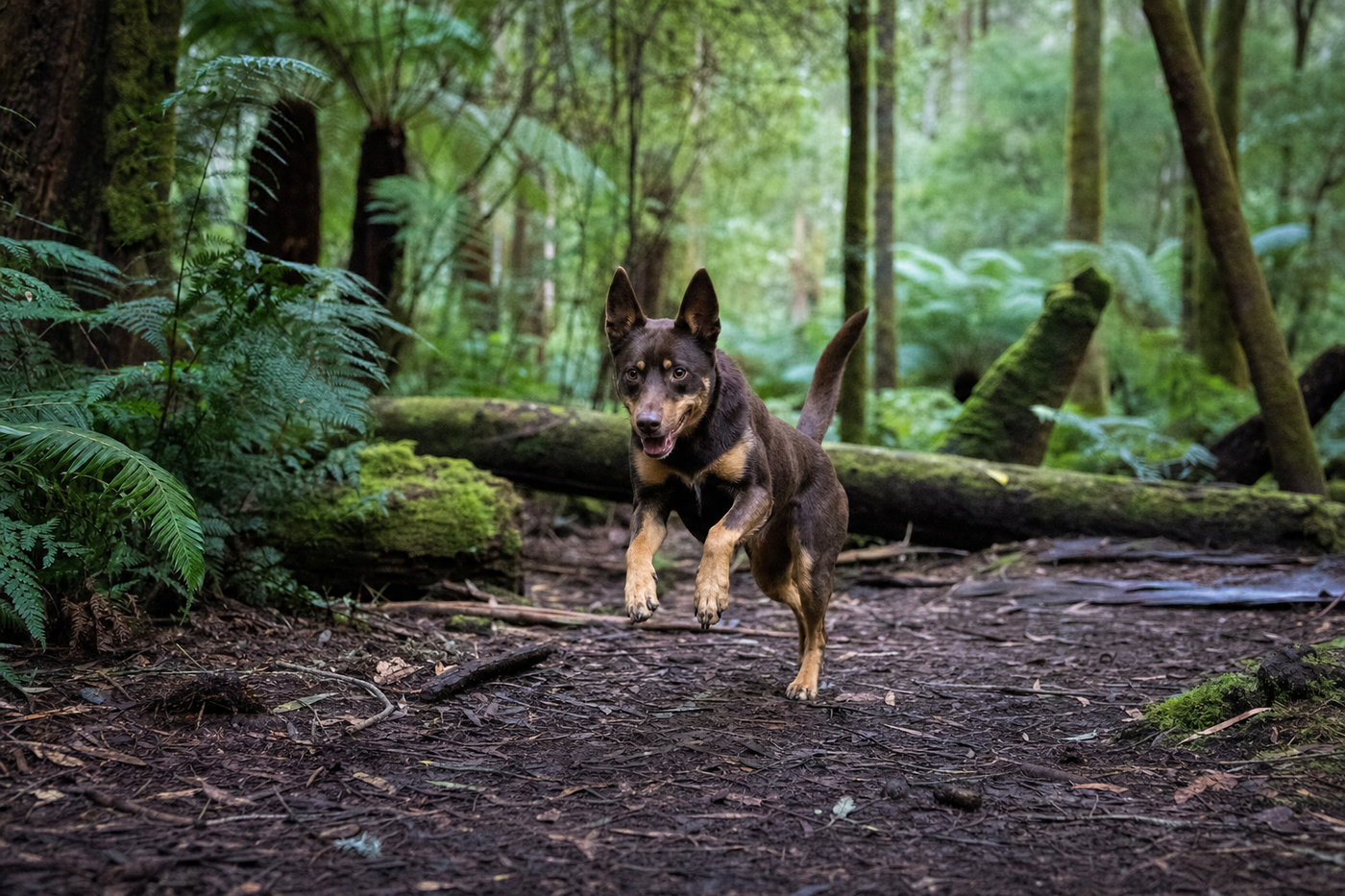
The Dandenong Ranges sit just 90 minutes from Melbourne and offer the kind of terrain where dogs actually want to walk without dragging you along. My border collie went from flat-footed to energised the moment we hit the fern gullies. The ranges cover about 80 square kilometres of forest, with dozens of official trails ranging from 2 kilometres to over 8 kilometres return. Most areas allow dogs on-lead, and the temperature stays cool even in summer because of the tree cover, which means you can walk during times when the rest of Victoria is melting.
The villages scattered through the ranges like Belgrave, Olinda, and Sassafras have embraced dog travellers. You'll find cafes that bring water bowls without you asking, and locals who stop to chat about their own dogs. Unlike crowded city parks where you spend half your time apologising to other owners, the Ranges feel spacious enough that your dog can actually relax.
Walking Trails That Work Well With Dogs
Sherbrooke Falls Walk is the standout trail for dogs, and I'd recommend it as your first stop. It's a 4.8 kilometre loop starting from the car park at Sherbrooke, and dogs handle it easily on-lead. The path winds through mountain ash forest and opens to a viewing platform overlooking the falls. I took my kelpie here in March and the water flow was impressive without being dangerous. The track has good drainage and doesn't turn into mud soup immediately after rain like some others do.
One Thousand Steps Walk near Ferntree Gully lives up to its dramatic name but suits fit dogs well. You're looking at about 3 kilometres return with significant elevation, and my dog was exhausted in the good way. The steps are numbered, which helps you gauge how much further you want to push. The forest canopy is thick enough that you won't overheat, and the shade protects paws from hot ground. Start early though, because the car park fills by 9am on weekends and there's nowhere else nearby to safely wait.
Gear we would pack
Some links below are affiliate links. Pawtrips may earn a commission at no extra cost to you.

Quiet 62L Pet Dryer Box with Smart Control
This ensures your pet stays comfortable and dry during your travels.

Dog Ear Muffs for Noise Protection
These ear muffs help keep your pet calm in noisy environments during travel.

Adjustable Dog Grooming Arm for Pet Owners
Keeps your pet secure during grooming.

Gentle Chew Toy for Teething Puppies
A calming chew toy is great for easing travel stress in puppies.
Dog-Friendly Cafes and Village Stops
Olinda has become my favourite village stop because it has the best cafe setup for travelling with dogs. Tangled Vine at Olinda offers outdoor seating with water bowls already positioned at most tables, and the owner knows not to offer treats to dogs. You can sit with your dog, order a flat white, and genuinely relax for 20 minutes. Most patrons are dog owners themselves, so nobody stares if your dog shifts positions. A short walk takes you to the general store if you need supplies, and the whole village has that quiet, gentle pace that feels right after a morning on the trails.
Sassafras has several cafes clustered near the main street, though you need to check each one's current dog policy. Sassafras Tea House allows dogs on their front terrace, though it's smaller and fills quickly on weekends. The village is worth visiting even without the cafe because of the tree-lined streets and local artisan shops. Keep dogs on-lead because the main street has regular traffic, and a few visitors park poorly and move fast through here.
How to Navigate Summer and Winter in the Ranges
Summer in the Ranges runs from December to February, and while it's cooler than Melbourne, it still climbs to around 25 to 28 degrees Celsius. Walk before 9am or after 5pm during this period, because paw pads heat up fast on exposed sections of track. Even in shade, a dog's body temperature rises differently than humans, so watch for excessive panting or reluctance to continue. I learned the hard way that my dog's enthusiasm doesn't match her actual heat tolerance. Bring more water than you think you need, freeze a wet towel to lay over your dog if resting, and consider walking less ambitious trails during hot months.
Winter brings rain rather than cold, with June and July being the wettest months. Trails become slippery and muddy, which some dogs find fun and owners find frustrating when loading wet dogs back into cars. The upside is temperatures drop to 10 to 15 degrees Celsius, making longer walks genuinely comfortable for dogs. Winter offers better walking conditions overall because you can explore longer trails without heat concerns. Just bring a doggy towel or old blanket to wipe paws before getting back in the vehicle.
Accommodation Near the Trails and Villages
If you're travelling with a dog for more than a day, staying in the Ranges makes sense because you'll spend less time driving and more time walking. Belgrave has a couple of pet-friendly motels that welcome dogs in certain rooms, though you need to book ahead and expect a small pet fee around 20 dollars per night. Holiday rental houses scattered through Olinda and Sassafras offer more space and usually have gardens where dogs can move around before and after walks. Many rentals have fully fenced yards, which means your dog doesn't need to be on-lead every moment of the day.
When booking, ask specifically whether the garden is fully fenced and whether there are neighbours close by. Some places advertise as dog-friendly but have minimal outdoor space, which defeats the purpose of taking your dog away for a break. Call ahead rather than relying on online descriptions, because garden conditions change and what's fenced today might have gaps by the time you arrive. Check-in times vary, so if you plan a full day of walking before settling in, confirm that arrangements with the owner.
Avoiding Common Mistakes on Your First Visit
The biggest mistake I made on my first Dandenong Ranges trip was underestimating how muddy the trails actually get. I wore light runners and brought no towel, which meant stopping to scrape mud off my shoes every few minutes and then driving home with a brown car interior. Now I wear proper hiking boots, bring two towels, and plan a pit stop at home before anywhere else. The ranges don't have the kind of firm, dry paths that city parks offer, so adjust your expectations and your gear.
Second mistake: assuming all dog-friendly cafes have water available. I walked into my first stop parched and thirsty, only to find they have no water for pets. Now I carry a collapsible bowl and keep a water bottle in the car. The ranges can feel remote even though they're close to Melbourne, and you'll regret forgetting supplies once you're halfway through a walk. Finally, don't assume your usually well-behaved dog will ignore native wildlife. I've seen dogs get overexcited about wombats and lyrebirds, so keep your lead shorter than you normally would and stay alert in less-trafficked sections of trail.
Getting There and Parking Logistics
Most Dandenong Ranges trails are accessible by car from Melbourne within 90 minutes, and the drive itself can be pleasant if you avoid peak traffic times. The main entry points include Belgrave, Ferntree Gully, and Olinda, all reachable via the Princes Highway or Mountain Highway from the city. Sherbrooke Falls car park is the most convenient for dogs because it has adequate parking and a nearby toilet block. Arrive before 9am on weekends to guarantee a spot, otherwise you'll end up parked a kilometre away and frustrated.
Parking fees aren't charged at most trailheads, but the car parks themselves can be small and fill quickly during school holidays and long weekends. If the main car park is full, don't circle hoping someone leaves. Instead, drive to the next trail or come back earlier the next day. Having your dog on-lead in a busy car park is important because other visitors arrive stressed from traffic and may not watch their vehicles carefully. Keep your dog close, and if you're parked facing the forest, check your vehicle before leaving to ensure no wildlife has decided to shelter underneath.
What to Bring and What to Leave Behind
Pack a backpack with water, a collapsible bowl, at least two towels, and treats for your dog. Bring a map or download offline maps because phone signal is patchy, and getting lost with a tired dog is unpleasant. A first aid kit with tweezers is worth including because grass seeds get into dogs' paws and ears regularly in the Ranges. Wear proper hiking boots yourself, because slippery mud and uneven terrain will twist an ankle faster than you'd expect. Leave behind any idea that your dog will stay clean, because mud happens and it's part of the experience.
Don't bring extendable leads on trails because they're dangerous around tree roots and other walkers. A standard 1.5 to 2 metre lead gives you control without the hassle. Leave your dog's fancy collar at home and bring something simple and secure, because branches, burrs, and dirt will accumulate on anything around your dog's neck. If your dog gets anxious in cars, bring a familiar toy or blanket for the drive rather than relying on treats to keep them calm.
Plus early access to new guides and partner deals.
No spam. Ever. Just the good stuff for you and your pet.