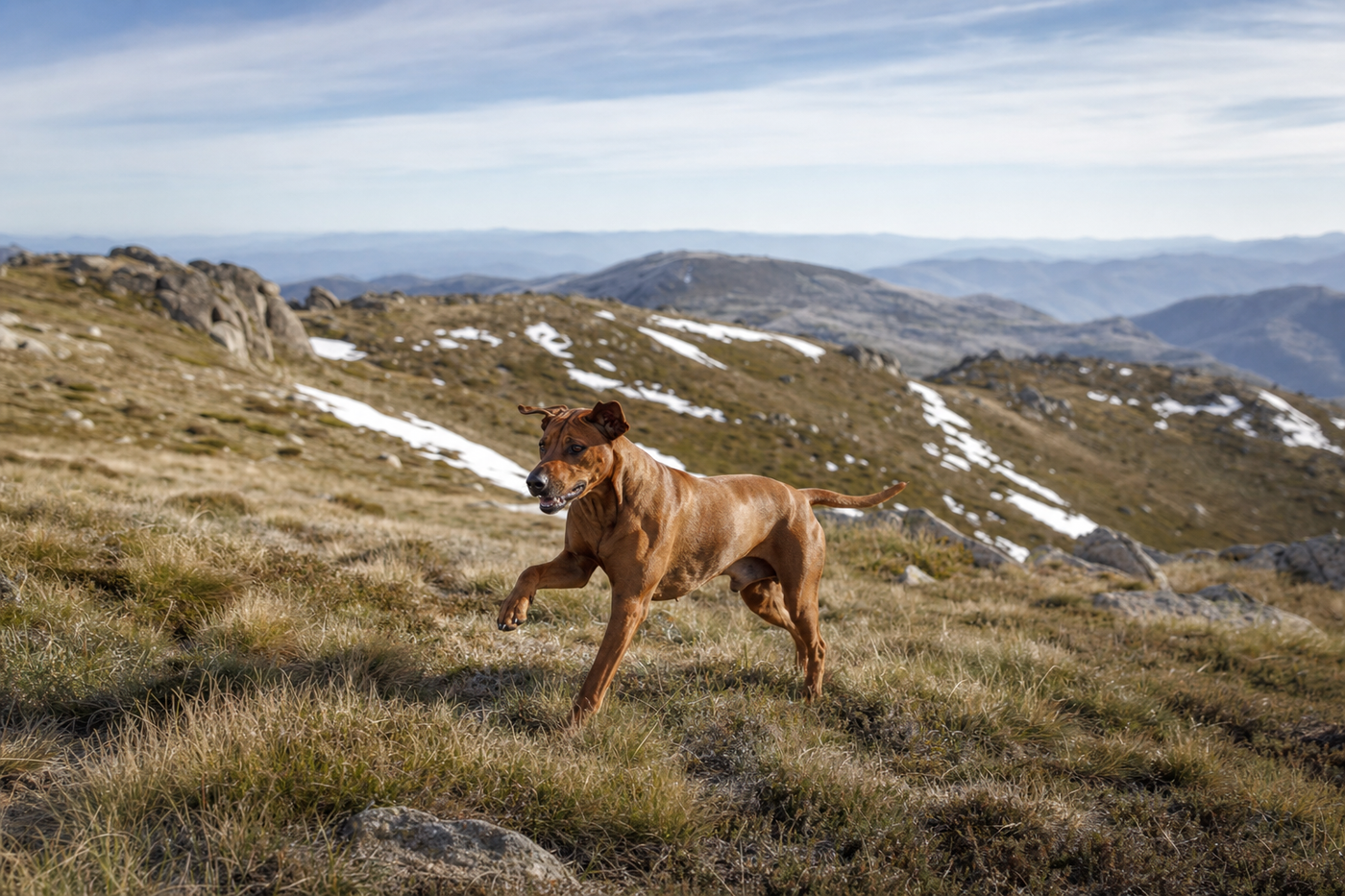
Altitude sickness affects some dogs at elevations above 1,500 metres. Watch for excessive panting, lethargy, or vomiting and descend immediately if symptoms appear.
Mountain weather changes rapidly and unexpectedly. Carry extra water and warm layers even on short walks, as conditions can deteriorate within 30 minutes.
Why Falls Creek and Mount Beauty Matter for Dog Owners
Falls Creek and Mount Beauty sit in Victoria's High Country, about 350 kilometres northeast of Melbourne, making them perfect for a weekend trip or extended mountain escape. Both villages sit above 1,400 metres elevation and offer genuine alpine scenery without the crowds you find at coastal dog-friendly destinations. Your dog gets to experience proper mountains, cool air, and quiet trails while you soak in views of the Bogong High Plains.
These towns aren't just winter destinations either. Spring wildflowers arrive in September, summer brings clear skies and cool hiking weather, and autumn colours start appearing in March. Most dog owners I've met who've travelled through the High Country came back raving about how their dogs slept soundly after days spent exploring elevation changes and fresh mountain air.
The drive from Melbourne takes about five to six hours depending on conditions. You'll wind through progressively cooler landscape, watching elevation markers climb steadily. This slow transition helps dogs adjust better than sudden altitude changes.
Best Dog-Friendly Walks Near Falls Creek
The Howman's Gap walking track starts at Falls Creek village and takes about 90 minutes return for a fit dog. Your dog walks through open snowgum woodland with views across the valley, and the track sits well below the treeline so you're not exposed on high ridges. The ground is mostly stable throughout the year, though it gets muddy after rain and icy in winter.
Cockatoo Lake Loop sits about 15 kilometres from Falls Creek and offers an easier walk of around 45 minutes. This track works brilliantly for older dogs or those not yet accustomed to mountain terrain. The lake sits in a basin surrounded by granite outcrops, and dogs can paddle safely in the shallows during warmer months.
Tassie's Hut walk is my personal favourite for dogs that love scrambling over rocks. It's about two hours return and climbs around 300 metres, but your dog gets variety: creek crossings, open grassland, and forest sections. In summer, the creek stays cool enough for dogs to splash through without overheating. Start early because the car park fills by 9am on weekends.
Always carry water even though you'll see creeks. Mountain water can carry parasites, so bring enough for your dog's return journey. Check current track conditions locally before heading out because snow and ice can make routes unsafe even when the village itself is snow-free.
Gear we would pack
Some links below are affiliate links. Pawtrips may earn a commission at no extra cost to you.

Quiet 62L Pet Dryer Box with Smart Control
This ensures your pet stays comfortable and dry during your travels.

Dog Ear Muffs for Noise Protection
These ear muffs help keep your pet calm in noisy environments during travel.

Adjustable Dog Grooming Arm for Pet Owners
Keeps your pet secure during grooming.

Gentle Chew Toy for Teething Puppies
A calming chew toy is great for easing travel stress in puppies.
Mount Beauty Walking Trails That Work Well With Dogs
Mount Beauty itself sits lower than Falls Creek at around 1,200 metres, which some dogs find easier for initial acclimatisation. The Pole Paddock walking track is genuinely one of the best options for dogs because it's well-maintained, clearly marked, and takes about 90 minutes return. Your dog walks through mixed forest with regular openings where you can check how they're handling the elevation.
The scenic drive to Tawonga South from Mount Beauty includes several short walks suitable for dogs that need breaking up their drive time. Tawonga Lookout sits about 10 kilometres from Mount Beauty and offers a 20-minute walk with expansive views across the Kiewa Valley. Dogs love the open grassland and rock outcrops, and the car park has shade.
Kiewa Valley Walk connects Mount Beauty to surrounding towns and lets dogs explore riverside terrain. It's flatter than elevation walks and provides variety that keeps dogs engaged. The walk follows an old rail trail, so the surface stays consistent, which helps dogs with joint concerns.
One thing to realise about Mount Beauty: the town itself is small and services are spread out. Plan your walks for early morning or late afternoon to avoid midday heat, even though temperatures are cooler than Melbourne. Bring your own water and treats because shops aren't always open during walking hours.
Dog-Friendly Accommodation in the High Country
Falls Creek offers several dog-friendly lodges and holiday apartments scattered through the village. Most charge a pet fee between $25 and $50 per night, and they expect you to declare your dog when booking. Check specific pet policies before you arrive because some places restrict dog size or breed, and a few prohibit dogs from certain furniture or areas.
Mount Beauty has more holiday rental options than Falls Creek, with numerous private homes accepting dogs. These range from simple two-bedroom cottages to larger houses suitable for multiple families. The advantage of renting a house is that your dog gets their own space and you can cook meals instead of relying on limited restaurant options.
When booking, ask whether the property has a fenced yard. Many mountain properties have unfenced land with neighbours close by, which can stress dogs if yours isn't reliable off-lead. Some accommodations provide dog beds and food bowls, but assume you'll bring your own unless specifically mentioned.
Both villages get busy during school holidays and long weekends, so book at least four to six weeks ahead. Winter accommodation fills fastest because of ski season traffic. Off-season visits in May, June, September, and October offer cheaper rates and quieter trails, though you'll need to check that your chosen walks aren't closed for maintenance.
Managing Altitude, Temperature, and Health Concerns
Your dog needs time to adjust to higher elevation, even though the High Country isn't extreme altitude. Allow your dog a full 24 hours of rest in Mount Beauty or Falls Creek before tackling longer walks. During this adjustment period, keep exercise light: short village strolls, exploring the accommodation property, and resting in cool conditions. Older dogs and brachycephalic breeds like bulldogs need extra time because their respiratory systems work harder at elevation.
Temperature swings in the mountains catch dog owners off guard. It's 8 degrees Celsius at 9am but climbs to 18 degrees by midday, then drops again by evening. Your dog can't shed excessive coats quickly, so they overheat during midday walks even though the altitude feels cool. Plan your timing around temperature peaks and always have water available.
Snow and ice damage paw pads throughout winter and spring. The combination of frozen ground, salt spread on village streets, and melting ice creates rough surfaces that cut sensitive paws. Consider dog booties if your dog will tolerate them, or apply paw balm before and after walks. Check between toe pads for ice balls that accumulate during snow.
Ticks thrive in the High Country from October through March. Check your dog thoroughly each evening, particularly around ears, neck, and armpits. Mountain areas with dense scrub have higher tick populations than open grassland. Ensure your dog is on appropriate tick prevention before arriving.
Local Services, Food, and Practical Information
Falls Creek has a general store, a few cafes, and a petrol station, but limited specialty services. Mount Beauty offers more amenities including a supermarket, takeaway shops, and a few sit-down restaurants. Neither village has a dedicated veterinary clinic, so if your dog becomes unwell, contact the Mount Beauty Medical Centre for referral to the nearest vet in Myrtleford, which is 30 kilometres away.
Planning your meals matters because restaurant options are limited and many close between 2pm and 5pm. Several cafes welcome dogs on outdoor seating areas during warmer months, but always ask first rather than assuming. Carry dog food and treats in addition to human supplies because pet food shops don't exist in either village.
Fuel up in Mount Beauty or Bright before heading into the high country because petrol stations are infrequent and sometimes close unexpectedly. Bring a full tank and plan accordingly. Mobile phone reception works in both villages but drops on many walking trails, so download maps offline.
Visit the Falls Creek or Mount Beauty visitor centres when you arrive to collect current track condition reports and weather forecasts. Staff provide practical advice about which walks suit your dog's fitness level and current conditions. Both centres have toilets and water available for visitors and dogs.
Seasonal Considerations for Your Visit
Winter transforms the High Country into snow country, which some dogs love and others find challenging. Falls Creek becomes a ski resort with winter crowds, but Mount Beauty stays quieter. Snow-covered walks require dog booties because dogs' paws aren't adapted for prolonged exposure to snow and ice. Plan shorter walks because snow exhausts dogs faster than dry ground. Winter also brings shorter daylight hours, so start walks by 10am to finish before dusk around 4:30pm.
Spring arrives late in the mountains, usually arriving properly in October. Wildflowers emerge across the High Plains, and walking becomes pleasant without extreme heat. This season brings higher tick populations as temperatures warm, so maintain preventative treatments. Spring rain can make tracks muddy and swollen creeks difficult to cross, particularly around creek walks.
Summer offers the most reliable weather but also brings peak heat and tourist crowds. Your dog benefits from cooler temperatures at elevation compared to lowland Victoria, but midday sun still poses risks. Walk early and late in the day, staying off exposed ridges during peak heat. Late February through March brings autumn, with brilliant colour in deciduous trees scattered through the High Country.
Autumn is arguably the best season for hiking with dogs because temperatures remain cool, crowds thin considerably, and ticks become less active by May. Pack warm layers because morning and evening feel genuinely cold, particularly above 1,600 metres.
Preparation Checklist Before You Leave for the High Country
Start your preparation with a vet visit one to two weeks before your trip. Have your dog's tick and flea prevention updated, discuss altitude acclimatisation if your dog has respiratory concerns, and ask about any specific health risks for the High Country region. Ensure your dog has up-to-date microchip registration with your current contact details.
Pack essential supplies including enough dog food for your entire trip plus extra days in case you stay longer. Bring drinking water from home or plan to purchase bottled water because sudden diet and water changes can cause digestive upset at altitude. Pack a dog first aid kit with paw balm, any regular medications, and basic supplies like cotton wool and bandages for unexpected injuries.
Arrange accommodation confirmation with written confirmation that your dog is welcome. Reconfirm two days before arrival. Check that your car has a full tank of fuel and is serviced, with particular attention to brakes for mountain driving. Pack a dog harness suitable for hiking and a shorter lead for village exploration.
Download offline maps of your intended walking areas before leaving for the mountains. Mobile reception becomes spotty once you're on trails. Check weather forecasts for the week of your visit, checking specifically for wind warnings and temperature extremes. Pack clothing for yourself that handles layering because mountain weather changes constantly throughout the day.
Plus early access to new guides and partner deals.
No spam. Ever. Just the good stuff for you and your pet.