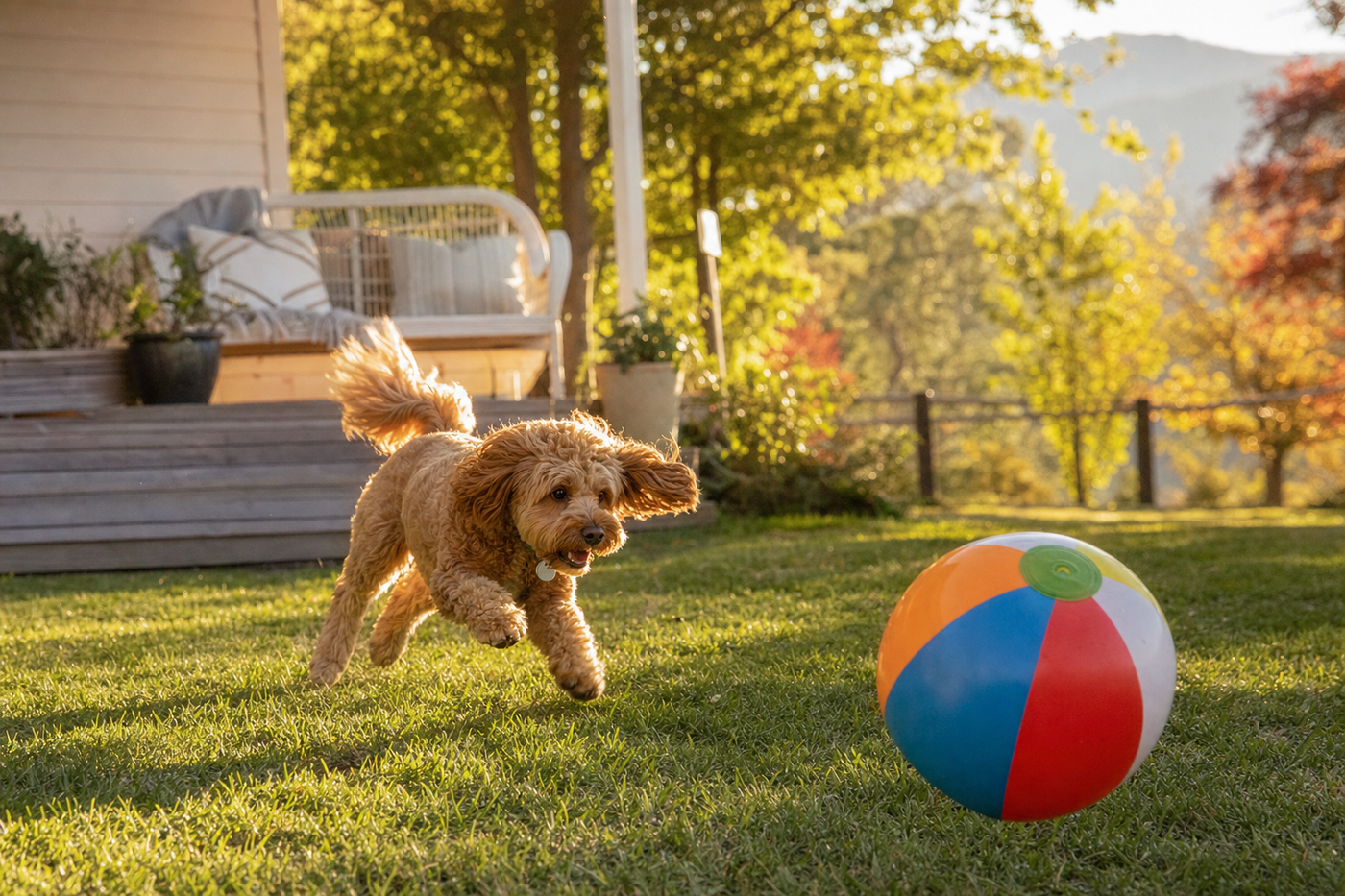
Some Australian properties have pools or water features that pose drowning risks; always supervise your dog around water and ask the owner about safe access restrictions before arrival
Certain areas of Australia have dangerous wildlife including snakes and spiders that can harm dogs; discuss local hazards with the property owner and your vet, and keep your dog's vaccinations current against potential snake bite injuries
Why Dog-Friendly Holiday Houses Beat Hotels
I spent three years trying to find pet-friendly hotel rooms before I discovered holiday house rentals, and it changed everything. Hotels in Australia often restrict dogs to rooms for limited hours, charge hefty daily pet fees of 30 to 50 dollars, and rarely provide outdoor space where your dog can move freely. Holiday houses give your dog room to run, play, and relax without worrying about disturbing other guests or breaking house rules.
Your dog will feel calmer in a house with a backyard compared to a confined hotel room. You can cook proper meals instead of hunting for dog-friendly cafes, and you'll save money when you're feeding multiple dogs or staying longer than a week. Most importantly, your dog gets to experience the holiday alongside you rather than waiting in a room while you explore.
Where to Search for Dog-Friendly Holiday Rentals
Pawtrips is obviously your best first stop, but knowing other platforms helps you compare options. Airbnb Australia has a dedicated pet filter that lets you search properties allowing dogs, though you'll need to read descriptions carefully because some hosts are vague about restrictions. Stayz caters specifically to Australian holiday rentals and lets you search by pet policy, making it easier than Airbnb for finding truly dog-friendly properties.
Regional tourism websites sometimes list accommodations by pet policy. The South Australian Tourism Commission, for example, publishes a guide to pet-friendly stays. Direct booking with property managers who specialise in dog-friendly rentals often gives you better rates than third-party platforms. Always cross-reference properties across multiple sites because the same house appears on different platforms with varying information and pricing.
Gear we would pack
Some links below are affiliate links. Pawtrips may earn a commission at no extra cost to you.

Quiet 62L Pet Dryer Box with Smart Control
This ensures your pet stays comfortable and dry during your travels.
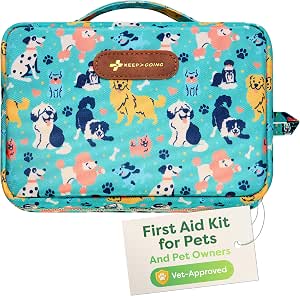
Dog First Aid Kit for Travel Emergencies
It's important to prepare for unforeseeable situations while travelling.

Dog Ear Muffs for Noise Protection
These ear muffs help keep your pet calm in noisy environments during travel.

Reduce Shedding with FURminator Conditioner
A well-groomed coat means less mess in your travel space.
Reading Property Descriptions Like a Dog Owner
Property descriptions can be misleading if you don't know what questions to ask. When a listing says dogs welcome, dig deeper. Check whether the property owner means a five-kilogram toy poodle or a forty-kilogram labrador. Many owners restrict dogs to certain areas, limit numbers to one dog only, or charge substantial weekly pet fees of 75 to 150 dollars.
Look for specific details about outdoor space. A fenced yard matters far more than a beach view if you're travelling with an energetic dog. Ask whether the property has a pool that your dog could accidentally access, what type of fencing exists, and whether the yard is shaded. Read the fine print about damage policies because some owners charge high bonds for any dog-related wear. Contact the owner directly before booking if the listing seems unclear. Most responsible owners appreciate questions and will give you honest answers about their property's suitability for your dog.
Key Questions to Ask Before You Book
Start with the basics. Ask the owner: what is your dog policy regarding size, breed, and number of dogs. Some properties ban certain breeds entirely, and you need to know before wasting time on unsuitable options. Then ask about the outdoor space, fencing height, and whether they provide water bowls or require you to bring everything.
Inquire about nearby vet clinics, dog parks, and walking trails within a ten-kilometre radius. This matters more than you'd think when your dog needs medical attention or you want structured activities. Ask whether the property has been recently occupied by other dogs and how it was cleaned afterwards. Find out the owner's cancellation policy if your dog becomes ill and you need to postpone. Confirm whether the property allows you to set up your dog's bed and toys without restriction. A thorough conversation prevents disappointment and expensive last-minute cancellations.
Booking Seasonal Hotspots Your Dog Will Actually Enjoy
Summer holidays mean crowded beaches, but dog-friendly beaches in Australia are less busy on weekday mornings. The Dandenong Ranges in Victoria offer cooler house rentals perfect for summer with forest walks right outside your door. Winter is ideal for the Adelaide Hills, where properties often have fireplaces for cosy evenings and easier walking conditions for older dogs.
Tourist hotspots like Byron Bay and Bangalow fill quickly, but nearby quieter towns like Minyon Falls have dog-friendly rentals at lower prices with better access to natural areas. The Mornington Peninsula works beautifully if your dog enjoys water and you want boutique wineries nearby. Tasmania offers exceptional dog-friendly hiking and fewer crowds than mainland tourist destinations. Book these places three to six months in advance during school holidays because competition is intense. Off-season bookings in June through August often come with discounts and more property choices.
Preparing Your Dog for a Holiday House Stay
Two weeks before your trip, take your dog to the vet for a check-up and ensure all vaccinations are current. Bring copies of vaccination records because some neighbourhoods or local vets might request proof of current protection. Pack a portable travel bed that resembles your dog's usual sleeping setup so the new environment feels familiar.
Visit the local vet clinic's location and opening hours before you need them. Travelling stressed dogs sometimes need anxiety medication from their own vet, not a stranger. Bring enough of your dog's regular food because sudden diet changes cause digestive issues during travel. Pack toys, a lead, waste bags, and any medications in easily accessible luggage. If your dog has never stayed in unfamiliar houses, practise short overnight stays at friends' homes first. Leave your dog with familiar items like bedding or a worn item of your clothing that carries your scent, which helps them settle faster in new environments.
What to Expect on Arrival Day
Arrive in the afternoon rather than evening so your dog has daylight hours to explore the property and surroundings. Let your dog sniff every corner of the house and yard before unpacking. This exploration helps them understand their new territory and reduces anxiety. Locate the nearest water bowl placement, outdoor gates, and which doors lead to the fenced yard.
Take your dog for a walk around the immediate neighbourhood before dark so they become familiar with common routes and nearby dogs. Visit the local park or beach to help your dog recognise familiar walking spots. Set up your dog's sleeping area with familiar bedding so they have a safe space if they feel overwhelmed. Some dogs get anxious the first night in new places, so staying calm and keeping routines consistent helps them adjust quickly. Plan your first day with minimal activities so your dog can settle without additional stress.
Respecting Your Host and the Property
Clean up after your dog every single day, not just before checkout. Leave the yard in the condition you found it by removing waste, broken toys, and any damage your dog caused. If your dog had an accident indoors, clean it thoroughly with enzymatic cleaner because regular methods don't remove scents that encourage repeat incidents.
Ask the owner before letting your dog access certain areas of the property. Some owners provide specific zones for dogs and restrict access to furniture or bedrooms. Report any damage your dog causes immediately rather than hoping it goes unnoticed. Leave a thank you note and perhaps a small gift acknowledging the owner's pet-friendly policy. Follow the property rules about noise and activity times. Responsible guests get invited back and receive positive references for future bookings. Property owners remember travellers who treat their homes with respect.
Plus early access to new guides and partner deals.
No spam. Ever. Just the good stuff for you and your pet.