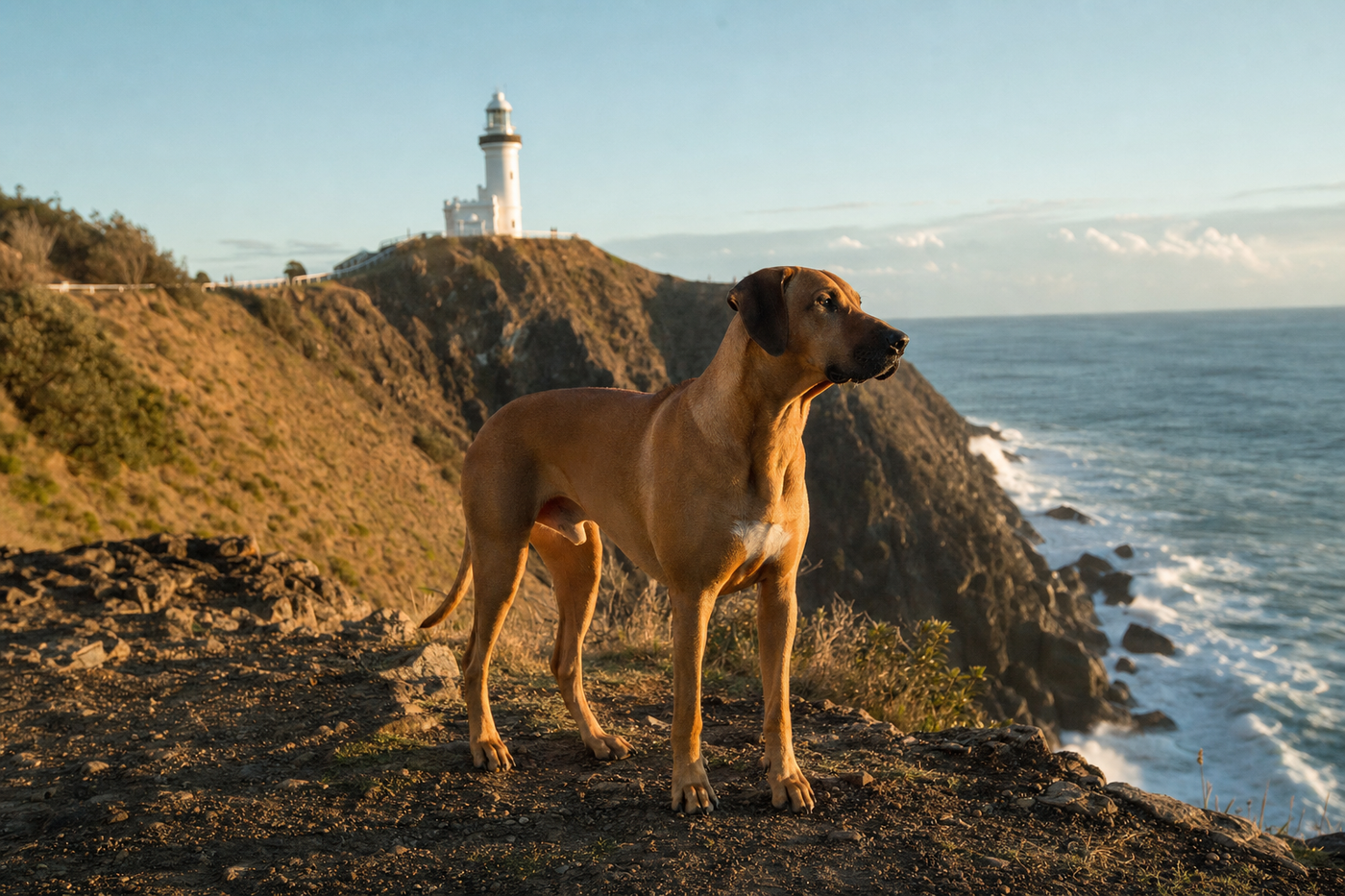
Cliffs near lighthouse properties present genuine drowning and falling hazards for dogs. Never allow unsupervised access to cliff edges regardless of your dog's size or temperament.
Salt water ingestion causes serious dehydration and gastrointestinal distress in dogs. Monitor your dog closely during beach visits and provide constant access to fresh water.
Why lighthouse stays appeal to travelling dog owners
You already know the feeling of planning a holiday and realising half your options exclude dogs. Lighthouse accommodations change that equation because they tend to sit on sprawling coastal properties with minimal neighbours and plenty of space for dogs to stretch their legs. I took my border collie Bess to Split Point Lighthouse near Aireys Inlet in Victoria, and she spent hours exploring the windswept grassland while I watched the Southern Ocean. The isolated nature of lighthouses means fewer crowds, fewer other dogs to manage, and fewer noise complaints about barking. You get the dramatic coastal scenery Australians love, without the usual holiday park restrictions that make travelling with dogs feel like dragging deadweight.
Popular lighthouse stays across Australia's coast
Victoria has some of the best options for dog owners. Cape Byron Lighthouse near Byron Bay in New South Wales offers nearby pet-friendly accommodation with coastal walking trails where dogs can roam freely. Flinders Lighthouse on Bruny Island in Tasmania provides cottage stays with sprawling grounds and safe access to pebbled beaches. The Grampians region in western Victoria has several lighthouse-adjacent holiday houses within 20 to 30 kilometres of the actual lighthouses, giving you the atmosphere without isolation. Point Lonsdale Lighthouse on the Mornington Peninsula sits close to dog-friendly beaches, particularly in winter when restrictions ease. South Australia's Cape du Couedic Lighthouse on Kangaroo Island offers accommodation within the national park, though you'll need to book months ahead. Each location presents different dog rules and restrictions, so ringing ahead before booking saves disappointment when you arrive.
Understanding dog restrictions at lighthouse properties
Not every lighthouse stay welcomes dogs equally, and the rules vary wildly between locations. Some allow dogs in the cottage but not in the actual lighthouse building itself. Others permit dogs on the grounds but require them on leads at all times because of nesting seabird colonies or cliff edges. I showed up to one property with Bess expecting free roaming, only to find a strict no-dogs-on-the-lawn policy to protect heritage vegetation. Always email the property owners directly and ask specific questions: can your dog sleep indoors, walk unleashed on the property, access the beach nearby. Get answers in writing so you have proof if misunderstandings happen. Some owners will message back within hours, others take days. Build this communication time into your booking schedule, especially if you're booking within three weeks of your travel dates.
Gear we would pack
Some links below are affiliate links. Pawtrips may earn a commission at no extra cost to you.
Pet-friendly stays on Booking.com
Use Booking.com's pet filter to search for lighthouse and coastal cottage accommodation across Australia that explicitly welcomes dogs. Their reviews section often mentions how dog-friendly properties actually are once you arrive, helping you make informed decisions.
Preparing your dog for coastal and cliff environments
Lighthouse properties sit in exposed locations with genuine hazards that suburban backyards don't present. Your dog needs preparation before you arrive. If your dog has never walked on rocky terrain, start conditioning their paws weeks before the trip by walking on different surfaces. Bess developed sore paw pads after two days of sharp coastal rocks, and I regretted not conditioning her properly. Pack a good quality paw balm, dog booties if your dog tolerates them, and nail clippers to keep nails trimmed short. Cliffs present another serious concern, particularly if your dog is young, excitable, or has poor recall. Before booking any property, check whether the accommodation has secure fencing and what access exists to cliff edges. Some dogs instinctively stay back from steep drops, while others need you to prevent them from wandering into danger. Know your dog's temperament honestly before selecting a property with open cliff-adjacent spaces.
PAW by Blackmores Osteocare Joint Protect for Dogs
Rocky coastal terrain and cliff-top walks put extra stress on your dog's joints. This joint care supplement supports mobility during the physical demands of lighthouse exploration, particularly beneficial for older dogs or those with pre-existing joint sensitivity.
Managing stress and weather exposure during your stay
Coastal properties expose dogs to harsh conditions that can stress them out: constant wind, salt spray, temperature fluctuations between full sun and exposed shade. Many dogs drink salt water from the ocean and develop upset stomachs as a result. Bring fresh water bowls and keep them filled constantly, then refresh them if salt spray lands on the water. Wind and salt irritate dog eyes and ears, so pack a saline rinse for cleaning. Some dogs struggle with the sensory overload of coastal environments, particularly if they come from quiet suburban homes. Consider bringing calming treats or supplements to take the edge off their anxiety. I noticed Bess panted heavily her first night at the lighthouse due to stress, and a calming supplement the next day made a noticeable difference. Your vet can recommend dog-safe calming products you can bring along, which takes pressure off the stay.
PAW by Blackmores Complete Calm Multivitamins for Dogs
Isolated lighthouse environments and coastal wind exposure stress many dogs. These calming supplements help your dog settle into the unfamiliar property and manage the sensory overload of harsh coastal conditions.
Beach access and exercise routines near lighthouses
One major advantage of lighthouse stays is proximity to beaches, but not all beaches near lighthouses allow dogs year-round. Victoria's beaches are typically dog-free from September to April due to penguin and seabird breeding seasons. New South Wales has more generous winter dog beach access, particularly at quieter coastal towns. Before booking, check the specific council's dog beach restrictions for your travel dates. I planned a summer trip to Victoria expecting beach swims, only to arrive during nesting season when dog access was banned entirely. Winter lighthouse stays give you more beach freedom, though the water temperature requires genuine hardiness from your dog. Build exercise variety into your days: morning beach walks or cliff-top walks depending on access, afternoon quieter exploration of the property, evening wind-down before bed. Dogs travelling to unfamiliar environments sometimes struggle to settle, so physical exercise helps them sleep better. An exhausted dog is a well-behaved dog in an isolated cottage.
Booking strategies and timing for lighthouse accommodation
Lighthouse stays aren't listed on standard accommodation sites, which makes finding them harder than booking regular holiday rentals. Search specifically for lighthouse cottages, keeper's cottages, or heritage light station accommodation. Many are managed through smaller platforms or direct owner websites. Call the local tourism boards for the areas you're interested in, as they often have lists of properties that welcome dogs. Book at least six to eight weeks ahead for peak season travel, particularly if you're targeting school holidays between July and September. Off-peak times like May, June, and early September offer better availability and lower prices. I booked a lighthouse cottage in Tasmania during Queen's Birthday weekend with just two weeks' notice and found almost everything full. Flexibility with dates dramatically improves your chances of finding something suitable. Set up alerts on holiday rental sites for specific regions and check daily, because cancellations create last-minute opportunities for pet-friendly properties.
Pet-friendly holiday houses on Stayz
Stayz lists many lighthouse cottages and heritage keeper's cottages across Australia with flexible pet policies. Filter by pet-friendly properties and specific regions to find lighthouse accommodation that matches your dog's needs and your travel dates.
Making your dog comfortable in an isolated setting
Lighthouse properties often lack the distractions and stimulation of towns. Your dog might struggle with boredom or anxiety if left alone during the day while you explore, particularly if they're used to urban environments. Bring puzzle toys, long-lasting chews, and games that occupy their mind for hours. Pack more entertainment than you think you'll need. I severely underestimated how much Bess would want to follow me everywhere in the isolated lighthouse cottage. She had separation anxiety when I stepped outside, even though she was fine alone in our home. Arrange your days so your dog gets included in activities whenever possible. Shorter solo outings give your dog time to rest and settle, rather than long stretches of loneliness. Some lighthouse properties have restricted vehicle access roads or trails only walkable on foot, which means your dog comes along naturally. Check whether the accommodation sits near small coastal towns where you can take your dog for coffee or casual exploration, breaking up the isolation.
Blackdog Chicken Breast 1KG
Pack high-value training treats for rewarding good behaviour in the isolated lighthouse environment and keeping your dog engaged during downtime. These natural chicken treats work well for puzzle feeders and long-lasting chews.
Plus early access to new guides and partner deals.
No spam. Ever. Just the good stuff for you and your pet.