Tick paralysis is life-threatening and can develop within days of a tick attachment. Use appropriate tick prevention before visiting parks in tick-prone regions and check your dog daily during and after visits.
Heat exhaustion in dogs can progress to organ failure within hours. Never walk your dog in national parks during midday heat, and know the symptoms: excessive panting, stumbling, vomiting, or lethargy.
Why National Parks Matter for Your Dog
Dogs need more than backyard time to stay mentally sharp and physically fit. National parks give your dog new smells, different terrain, and genuine exercise that beats any suburban walk. The Australian bush is stunning, and sharing it with your furry mate makes the experience richer for both of you.
I've noticed my dog sleeps deeply after a proper park adventure, and that mental tiredness is as important as physical exercise. Many owners discover their dogs are more relaxed at home when they get regular park outings. The challenge is knowing which parks actually allow dogs and what rules apply in each place.
New South Wales Parks That Welcome Dogs
New South Wales has some of Australia's most accessible dog-friendly parks. Royal National Park near Sutherland lets dogs walk most trails on lead, though some sections like Wattamolla Beach are off-limits during peak season. The park sits 30 kilometres south of Sydney, so you can do a day trip easily.
Blue Mountains National Park permits dogs on most walking tracks around Katoomba and Leura, including the popular Prince Henry Cliff Walk and various creek tracks. Dogs must stay on lead in these areas. Kosciuszko National Park near Thredbo allows dogs on many summer tracks when snow clears the high country, though you'll need to check seasonal closures. I've walked the gentle Thredbo Valley Walk with my border collie many times, and it's perfect for dogs that aren't experienced mountain hikers.
Gear we would pack
Some links below are affiliate links. Pawtrips may earn a commission at no extra cost to you.

Quiet 62L Pet Dryer Box with Smart Control
This ensures your pet stays comfortable and dry during your travels.
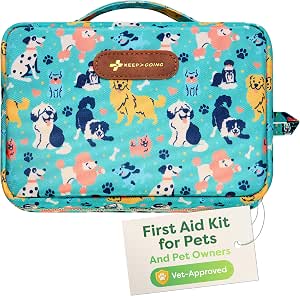
Dog First Aid Kit for Travel Emergencies
It's important to prepare for unforeseeable situations while travelling.

Dog Ear Muffs for Noise Protection
These ear muffs help keep your pet calm in noisy environments during travel.

Reduce Shedding with FURminator Conditioner
A well-groomed coat means less mess in your travel space.
Victoria's Best Dog-Friendly Options
The Dandenong Ranges near Melbourne offer several dog-friendly trails within an hour of the city. Sherbrooke Falls track and various walks around Kallista welcome dogs on lead. These fern gullies stay cool even in summer, which helps prevent overheating.
Great Otway National Park has certain sections that allow dogs, particularly around Wye River and Elliot Ridge. The terrain is varied, with rainforest sections and coastal views. Grampians National Park near Halls Gap restricts dogs from certain wildlife-sensitive areas, but tracks like the Wonderland Loop permit dogs on lead. I took my dog up the Wonderland Loop on a winter morning, and the cool weather made it comfortable despite the steep climbs. Check the park's website before visiting because restrictions change seasonally.
Queensland Parks and Coastal Adventures
Lamington National Park in the Gold Coast hinterland has dog-friendly walks, though Queensland parks tend to be stricter than southern states. Phone ahead to confirm current dog policies before the three-hour drive from Brisbane. The park sits at higher elevation, so it's cooler than coastal areas.
Sunset Coast trails near Caloundra allow dogs on certain sections of beach and headland walks. You'll find long sandy stretches where dogs can run safely, though always check tide times. Fraser Island technically allows dogs in certain designated areas during winter months, but the rules are complex. I'd recommend ringing the Fraser Island Visitor Centre on 1300 139 049 before planning a dog trip there. Queensland's warm climate means your dog heats up quickly, so early morning starts are essential.
South Australia and Western Australia Options
Flinders Ranges National Park near Hawker has dog-friendly walking tracks, particularly around Wilpena Pound where you can do gentler loops suited to dogs of varying fitness levels. The park is about 400 kilometres from Adelaide, making it a weekend destination. Bring extra water as the landscape offers little shade.
Kangaroo Island welcomes dogs in several parks and on many beaches outside nesting season. Remarkable Rocks and various coastal walks accommodate lead dogs well. In Western Australia, Yanchep National Park north of Perth allows dogs on most trails, including walks through native bush near limestone caves. Stirling Range National Park further south has dog-friendly tracks with stunning wildflower displays in spring. Western Australia's vast open spaces suit dogs that need room to breathe, though the distances between parks mean you'll spend considerable time driving.
Understanding Lead Rules and Wildlife Protection
Most Australian national parks require dogs to stay on lead, and this rule exists for real reasons. Native wildlife like wallabies, kookaburras, and lyrebirds don't recognise dogs as safe, and a spooked animal can injure itself fleeing. Off-lead dogs also damage ground-nesting birds and small marsupials that live in national parks.
Some parks specify off-lead areas where your dog can run freely, but these are rarer than you'd hope. A long line lead of 5 to 10 metres gives your dog more freedom than a standard lead while keeping them under control. This compromise works well in open areas where you can see approaching dogs or wildlife. I've found that dogs actually enjoy sniffing and exploring on a long line just as much as running flat out, and you keep better control over interactions with other walkers or animals.
Preparing Your Dog for Park Adventures
Before tackling a national park trail, make sure your dog is genuinely fit. Short neighbourhood walks don't prepare dogs for uneven terrain, steep climbs, or extended hours in the sun. Start with one or two easier tracks, then gradually introduce longer or more challenging hikes. A two-year-old border collie has different capacity than a ten-year-old labrador.
Visit your vet before attempting anything ambitious, especially if your dog is older or has joint issues. Bring a basic first aid kit including tweezers for removing ticks and thorns, antiseptic, and pain relief suitable for dogs. Pack more water than you think you'll need: a dog overheating can spiral quickly. I always carry a collapsible bowl so my dog can drink from creeks safely rather than lapping stagnant water. Attach a collar with your mobile number in case your dog escapes, even though this shouldn't happen with proper lead use.
Real Challenges and How to Handle Them
Ticks are a genuine problem in Australian bush areas, especially in warmer months. Check your dog thoroughly after every park visit, paying attention to armpits, ears, and between toes. Some dogs get tick paralysis, which is serious and sometimes fatal. Use appropriate tick prevention before visiting parks in tick-heavy regions like coastal Queensland and NSW.
Snakes exist in national parks, and while dogs rarely encounter them, it's worth knowing basic signs. A swollen muzzle or limping suggests a bite. Saltwater crocodiles inhabit far northern parks, so never let your dog swim in northern Queensland or NT parks without local advice. Summer heat is your biggest practical challenge. Park rangers have treated countless dogs with heat exhaustion because owners underestimated how quickly heat builds up. Plan walks for early morning or late afternoon, avoid midday entirely, and pull out immediately if your dog shows signs of distress like excessive panting or stumbling.
Plus early access to new guides and partner deals.
No spam. Ever. Just the good stuff for you and your pet.