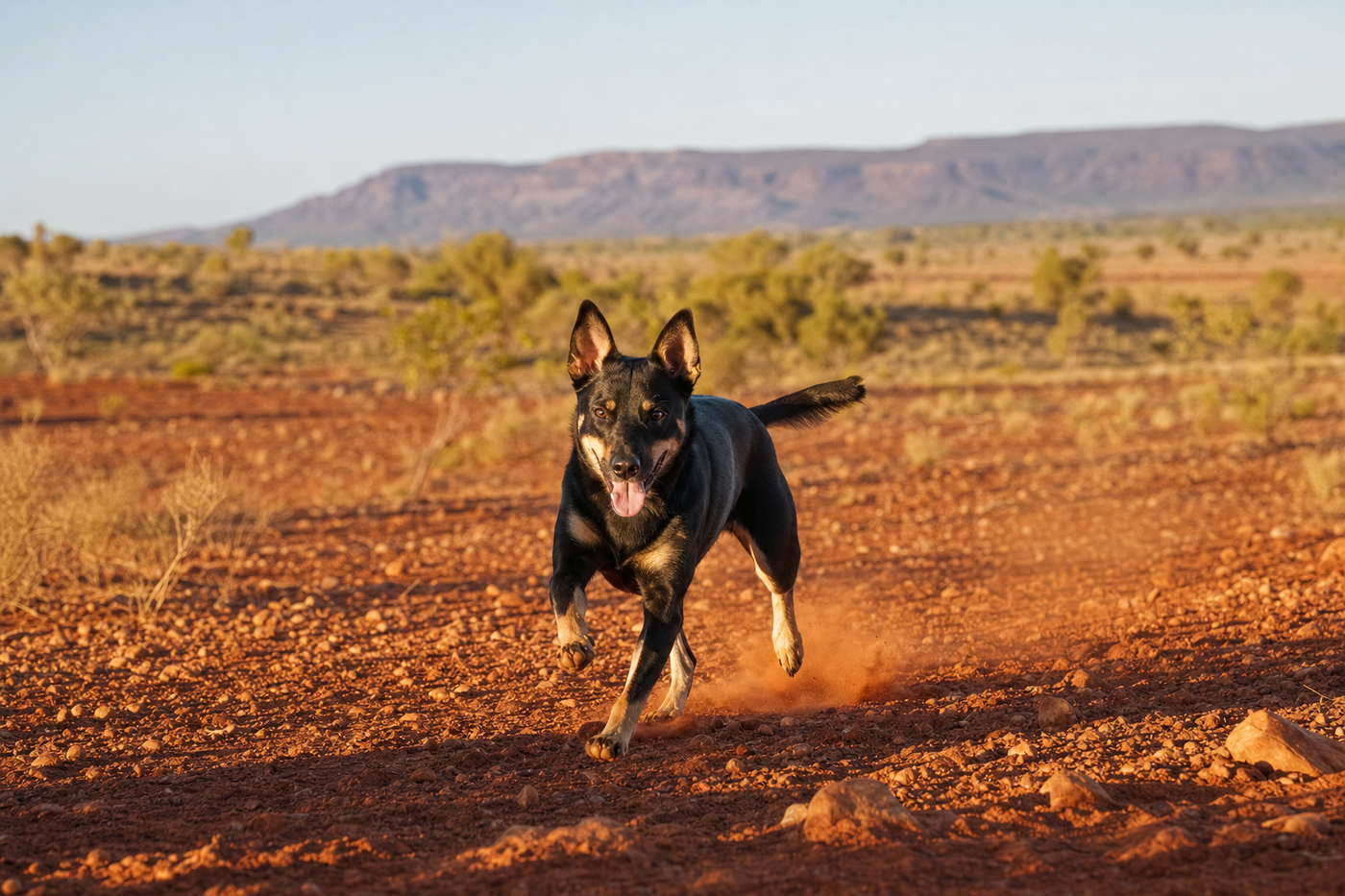
Car interiors reach dangerous temperatures for dogs within 20 minutes even at moderate outside temperatures. Never leave your dog in a parked vehicle unattended, and use air conditioning consistently throughout the drive.
Mobile coverage is limited on stretches between Katherine and Tennant Creek. If your dog becomes unwell or you experience vehicle trouble, you may not have immediate access to emergency services, so plan ahead and inform someone of your route.
Why This Drive Tests Even Experienced Dog Owners
The Darwin to Alice Springs drive covers roughly 1,500 kilometres and takes most travellers between 20 and 24 hours of actual driving time. Your dog doesn't understand highway stretches or the brutal heat of the Red Centre, so you'll need a solid plan before you hit the road. I learned the hard way that dogs get stressed, dehydrated, and uncomfortable on long drives, especially when temperatures spike inside the car.
The outback presents specific challenges that city driving doesn't. You'll hit stretches with no towns for over 100 kilometres, limited mobile coverage, and extreme temperatures that can knock a dog's health sideways in hours. Wildlife hazards and remote vet clinics add another layer of complexity. Getting this trip right means your dog arrives in Alice Springs rested rather than exhausted and potentially unwell.
This route is absolutely doable with dogs, but you need to treat it like moving house, not popping to the shops.
Breaking the Journey into Manageable Chunks
Skip the marathon drive and split the trip across three days instead. Stop in Katherine on day one, roughly 310 kilometres south of Darwin. This gets your dog out of the car, lets them stretch properly, and prevents the stress that comes with endless monotonous driving. You'll both sleep better knowing you're not pushing hard.
Day two takes you from Katherine to Tennant Creek, another 510 kilometres. Yes, it's still a solid drive, but your dog will handle it better with fresh legs and a proper night's sleep behind them. Tennant Creek sits roughly halfway and has decent pet-friendly accommodation. On day three, you've only got about 680 kilometres left to Alice Springs, which feels much more manageable.
This structure also lets you explore small towns your dog might enjoy. Katherine has the Katherine Gorge nearby with dog-friendly walking areas. Tennant Creek has parks where your dog can burn energy properly. Breaking the monotony helps both of you mentally.
Managing Heat and Hydration During the Drive
The car interior becomes an oven faster than most people realise. Even at 25 degrees outside, your car can hit 40 degrees within 20 minutes with windows closed. Your dog cannot sweat like humans do, so they overheat dangerously fast. I watched a Border Collie struggle badly on a drive where I'd underestimated the temperature inside the vehicle.
Stop every 90 minutes to give your dog water and a proper break. Bring a collapsible bowl and refill water at every fuel stop, even if your dog hasn't finished what you offered last time. Some dogs stop drinking when stressed or moving, so you need to offer water regularly rather than waiting for signs of thirst. Never rely on one water bottle for the entire journey.
Use window shades and crack windows for airflow if your dog travels in a crate or carrier. Keep the air conditioning running, even if it feels wasteful. Your dog's safety trumps fuel economy on this trip. If your dog shows signs of heatstroke like excessive panting, drooling, or lethargy, pull over immediately and get them to shade with water.
Gear we would pack
Some links below are affiliate links. Pawtrips may earn a commission at no extra cost to you.
Collapsible travel water bowl
A collapsible water bowl takes almost no space in your vehicle and lets you offer water at every stop without searching for containers. Your dog stays properly hydrated throughout the long drive, and the bowl collapses flat for easy storage between stops.
Choosing Safe Stops and Pet-Friendly Towns
Katherine has several pet-friendly motels including the Knotts Crossing Resort and some local caravan parks that welcome dogs. Tennant Creek offers places like the Tennant Creek Hotel which has pet-friendly rooms available. Phone ahead to confirm they accept dogs, as availability changes and policies vary by season.
When you stop for breaks, choose roadhouses with grassy areas rather than pure carpark stops. The Wayside Inn near Pine Creek has friendly staff and space for dogs to move around. Stuart's Well Roadhouse, south of Alice Springs, is dog-friendly and a good final stop. These places let your dog burn energy, toilet properly, and reset mentally before the next driving stretch.
Avoid stopping in direct sun at roadside rest areas. Many offer shelter, but some don't, and your dog needs shade while you're inside grabbing coffee. Scout the spot before you leave your dog unattended, even for five minutes.
Securing Your Dog Inside the Vehicle
Your dog needs proper restraint in the car for their safety and yours. A loose dog becomes a projectile in sudden stops and distracts you while driving. I've seen dogs thrown around cars during emergency braking, and it's genuinely distressing for everyone involved.
Use a car harness that attaches to the seatbelt system, or secure a crate properly in the boot. A harness keeps your dog in place without restricting their comfort too badly on a long drive. Make sure your dog can lie down and shift position, but they can't move forward suddenly. Never hold your dog on your lap or let them roam freely.
Crate training takes time, but it's worth doing before the trip. Your dog will feel secure in familiar surroundings during the stressful experience of extended driving. Introduce them to the crate at home first, then do short car trips to build confidence. By the time you start the real journey, your dog sees the crate as a safe space rather than a prison.
Dog car harness and seat belt
A proper car harness keeps your dog safely restrained without restricting their comfort on extended drives. It attaches to your vehicle's seatbelt system and prevents your dog from becoming a projectile during sudden stops.
Food, Medication, and First Aid Essentials
Pack your dog's regular food in the quantities you'll actually need plus extra. The outback has limited pet food options, and last-minute shopping adds stress. Bring enough for the full trip plus a few extra days in case delays happen. A cooler box keeps wet food fresh if your dog eats that style.
Take all medications in their original labelled containers, with a note of dosages and timing. Bring a first aid kit containing gauze, antiseptic, tweezers for tick removal, and any prescription medications your vet has recommended. The closest emergency vet in the outback might be hours away, so prevention and basic care matter enormously. Include your dog's vaccination records and microchip number in a waterproof pouch.
If your dog has any anxiety or motion sickness, discuss options with your vet before travelling. Some dogs benefit from short doses of travel calming medication, but you need professional advice beforehand. Never medicate your dog without veterinary guidance.
K9 Natural Grain Free Freeze Dried Dog Food Lamb & Salmon 1.8kg
Freeze-dried dog food takes minimal space and requires only water to prepare, making it ideal for remote travel. It provides complete nutrition without the weight and storage requirements of wet food, and your dog stays on their regular diet throughout the trip.
Planning Accommodation That Actually Accepts Dogs
Not all pet-friendly claims are equal. Ring ahead and confirm your dog is actually welcome before booking anything. Some places say they accept dogs but only certain breeds, or they charge extra, or they require your dog to stay in the laundry. Get specifics in writing if possible.
Look for places with outdoor space where your dog can toilet and move around. A motel with a grassy area is worth more than a fancy one where your dog is stuck indoors all evening. Your dog will sleep better with proper exercise, which means you'll sleep better too. Avoid places where dogs can roam into neighbouring rooms or shared areas, as this creates problems for other guests.
In Alice Springs itself, several accommodation options cater to dog owners. The Lasseters Hotel Casino and various caravan parks accept well-behaved dogs. Book these early, especially during school holidays. Alice Springs fills up fast, and pet-friendly options are limited compared to the drive up.
Pet-friendly stays along the route
Booking confirmed pet-friendly accommodation removes the stress of finding suitable places with outdoor space for your dog. This platform helps you identify motels and caravan parks that genuinely welcome dogs with proper facilities.
Road Safety and Wildlife Awareness
The Stuart Highway between Darwin and Alice Springs has long stretches of minimal traffic followed by sudden truck convoys. Stay alert and keep your dog safely restrained. Truck drivers move fast on these roads, and a dog escaping near a highway is a fatal risk.
Wildlife hazards include snakes, spiders, and feral animals in certain areas. Keep your dog on a lead at all stops and check grassy areas before letting them explore. Never leave your dog unattended, even briefly. Dingoes exist in parts of the outback, and while attacks are rare, your dog is vulnerable to larger wild animals.
Mobile coverage drops in parts of this route, particularly between Katherine and Tennant Creek. Let someone know your rough travel plans and expected arrival times. If you break down, stay with your vehicle and wait for help rather than wandering into the outback.
Nexgard Spectra Chewables for Dogs 15.1-30 kg (Pack of 3)
Long outback drives expose your dog to ticks, fleas, and parasites. Nexgard Spectra provides monthly protection and should be up to date before your trip to keep your dog healthy throughout remote travel.
Plus early access to new guides and partner deals.
No spam. Ever. Just the good stuff for you and your pet.