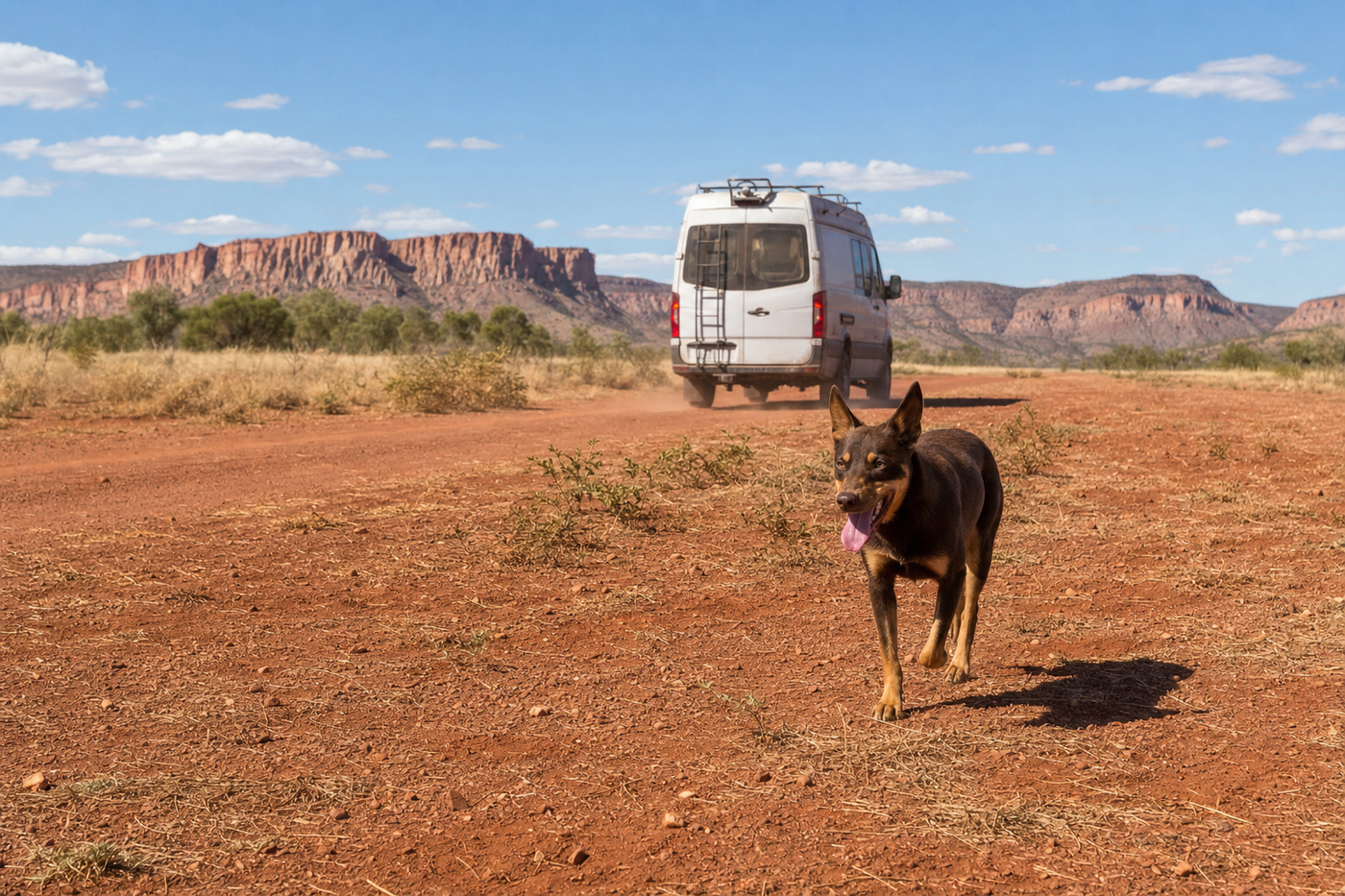
Never leave your dog unattended in a vehicle during hot weather. Dogs can die from heat stress within 15 to 30 minutes, even with windows partially open. Check temperature forecasts and plan your stops accordingly.
Ensure your dog's microchip information is current and registered with the national registry before you travel. If your dog escapes in an unfamiliar town, a microchip is the fastest way for vets and councils to reunite you.
Why Your Dog Needs Extra Preparation for Long Drives
Dogs experience car travel differently than we do, and a road trip across Australia puts real stress on their bodies and minds. Vet bills from preventable car accidents or heat stress can cost you thousands of dollars and weeks of heartbreak. Most dogs over 3 hours in a car without proper breaks start showing signs of anxiety: panting, restlessness, or worse.
Your dog relies entirely on you to make the trip safe. This isn't about being overly cautious; it's about understanding that an eight-hour drive feels very different to a dog than it does to you. Many Australian vets will tell you they see preventable injuries every summer from dogs overheating or being injured in cars during long trips.
The good news is that with proper planning, dogs travel well and actually enjoy the adventure. Thousands of Australian dogs visit the Great Ocean Road, Daintree Rainforest, and coastal towns every year because their owners took time to prepare correctly.
Building Your Pre-Trip Vet Checklist
Before you book your accommodation and plot your route, schedule a vet appointment at least two weeks before you leave. Your vet needs to examine your dog's fitness for long travel, check their heart and joint health, and discuss any concerns specific to the climate you're heading towards. If you're driving from Melbourne to Darwin in January, your dog's tolerance for heat matters more than if you're doing Tasmania in June.
Ask your vet about motion sickness medication if your dog struggles in cars. Many vets can prescribe mild sedatives for anxious dogs, though most travelling vets recommend training over medication. Get a copy of your dog's vaccination certificate (your destination state might have requirements), microchip details, and any current medication prescriptions written on headed paper.
Request your vet's recommendation for emergency clinics along your planned route. The Australian Veterinary Association website lists emergency vets in most major towns, but your own vet's contacts are gold. Write down the 24-hour clinic numbers for Townsville, Rockhampton, Canberra, or wherever your route takes you.
Gear we would pack
Some links below are affiliate links. Pawtrips may earn a commission at no extra cost to you.

Quiet 62L Pet Dryer Box with Smart Control
This ensures your pet stays comfortable and dry during your travels.

Mini GPS Tracker for Cats - Real-Time Location
Tracking your cat eases the stress of travelling together.

Hemp Oil for Dogs: Skin, Coat & Anxiety Relief
Hemp oil can ease your pet's anxiety during travels.

Dog Car Booster Seat for Safe Travel
This car seat offers small dogs a safe and comfortable way to travel.
Choosing Dog-Friendly Accommodation That Actually Welcomes Pets
The biggest mistake travelling dog owners make is assuming a place is dog-friendly because it says so on the website. Many Australian hotels and cabins list dogs as welcome but charge surprise fees, restrict them to certain rooms, or have unstated rules about size and breed. Ring every place directly at least one week before arrival. A two-minute phone call prevents showing up at 5 PM to find your dog isn't welcome.
Dog-friendly pubs across Australia often have beer gardens where dogs can sit under tables while you eat. The Royal Hotel in Rylstone (NSW), the Courthouse Hotel in Townsville, and dozens of beachfront cafes from Byron Bay to Perth welcome dogs. Many have water bowls already set out. Caravan parks are generally more reliable than hotels; most have designated dog-friendly sites and expect dogs as regular guests.
When you book, confirm in writing: can your dog stay in the room, how much extra does it cost, are there any breed or size restrictions, and does the property have a secure outdoor area. Ask if there's a dog park or designated off-lead area nearby. Some coastal towns like Merimbula and Yeppoon have dog beaches with specific hours, so timing matters.
Packing the Right Gear Without Overdoing It
You don't need to pack everything your dog owns, but you do need the essentials. A properly fitted harness or car seat restraint is non-negotiable; loose dogs cause accidents and injuries. Pack at least one week's worth of your dog's regular food in sealed containers so you don't arrive at a remote town unable to feed them. Many pet stores don't stock every brand, and sudden food changes upset their digestion during travel.
Bring a lightweight collapsible water bowl, a first aid kit with bandages and antiseptic, a recent photo of your dog (for lost pet posters), their leash and collar, and bedding or a blanket that smells like home. If your dog takes medication, pack double what you need in a separate bag. Include paw balm for bitumen roads, especially if you're stopping in remote areas or beaches with sharp shells.
For long drives, pack interactive toys or chew toys that keep your dog occupied without being a distraction. A Kong or long-lasting chew works better than a tennis ball that rolls around the car. Many dogs sleep better when travelling if they have familiar scents, so a worn t-shirt of yours helps settle anxious dogs.
Managing Heat and Hydration on Australian Roads
Heat kills dogs faster than most other car-related dangers, and Australian summers make this critical. Even a car parked in the shade with windows cracked loses its cool rapidly. On a 25-degree day, a car interior reaches 38 degrees in 30 minutes. Never leave your dog unattended in a parked car, even briefly, and never assume a sunny day is safe.
Stop every 90 minutes in summer, more frequently in extreme heat. Offer water at every stop, but don't let your dog drink too much before driving again; a full bladder plus movement causes car sickness. Use a collapsible bowl so you always have water access at service stations. Many Australian rest areas now have water points specifically for travellers with dogs.
During summer road trips, consider driving in early morning and late evening, stopping in shade during the heat of the day. Many dog owners travel the Newell Highway between Sydney and Melbourne at night specifically for this reason. Invest in window shades or keep the car cool with air conditioning set to a comfortable temperature, not freezing cold.
Navigating Different State Rules and Local Restrictions
Each Australian state has different dog travel requirements, and some towns have local restrictions you won't know about until you arrive. Queensland requires dogs to be securely confined in a vehicle or held by a person. New South Wales has similar rules but also specific requirements at certain beaches and national parks. Tasmania can be stricter about mainland dogs entering the state, though commercial carriers handle this.
Many national parks across Australia ban dogs entirely from walking trails, though some allow them on leads in certain areas. The Grampians in Victoria, for example, restricts dogs from most walking trails but allows them on certain paths. Beach access varies by town and season: Collaroy Beach in Sydney has dog-free hours, while other beaches welcome dogs all year. Check with local councils directly rather than relying on outdated online information.
Dog-free zones can catch you by surprise if you're not organised. Before you arrive at each town, spend 10 minutes looking up local bylaws on the council website. This prevents wasted drives to beaches or parks where your dog can't go. Some towns publish this information clearly; others bury it in council documents. A quick email to the visitor centre usually gets answers faster than searching.
Rest Stops and Exercise: Keeping Your Dog Happy Between Drives
Your dog needs proper exercise at each stop, not just a quick toilet break. A 20-minute walk at a rest area is better than three five-minute stops. Dogs arriving at accommodation after eight hours in a car without exercise become destructive, anxious, or disruptive. Many Australian service stations now have designated dog areas where you can let your dog have a proper run.
Identify dog parks or quiet areas near your planned stops before you leave home. If you're driving the Hume Highway, the rest area near Marulan has good open space. The service stations around Goulburn have dog-friendly areas. Research these stops specifically so you're not searching with a frustrated dog in the car. Some towns have off-lead dog parks where your dog can run with other dogs, which is excellent for burning energy.
Walk your dog on lead at rest areas unless they're designated off-lead spaces. Other travellers and their dogs might not appreciate an enthusiastic stranger, and wild animals are a risk in remote areas. A 20-minute walk on lead followed by water and a light snack keeps your dog calm for the next drive leg. Save the beach run or major exercise for when you arrive at your destination.
Creating a Daily Routine That Works on the Road
Dogs thrive on routine, and travel disrupts that completely. Replicate what you can: feed them at similar times, take them for morning and evening walks, maintain regular toilet schedules. Many dogs get anxious when their day changes entirely, so even small consistencies help settle them. Feed your dog after a drive, not before, to reduce car sickness and bloating risk.
If your dog normally sleeps on a bed at home, bring their bedding and set up their sleeping area first at each accommodation. This signals to them that this new place is safe. Some dogs settle faster if they can see you in the room, so consider placing their bed in a corner of your room rather than leaving them in a separate space initially.
Maintain any training or behaviour routines you have at home. If your dog gets a training session each morning, do it on the road too. This keeps them mentally stimulated and reminds them that normal rules apply despite being in a new place. Dogs feel more secure when life has structure, even when everything around them has changed.
Plus early access to new guides and partner deals.
No spam. Ever. Just the good stuff for you and your pet.