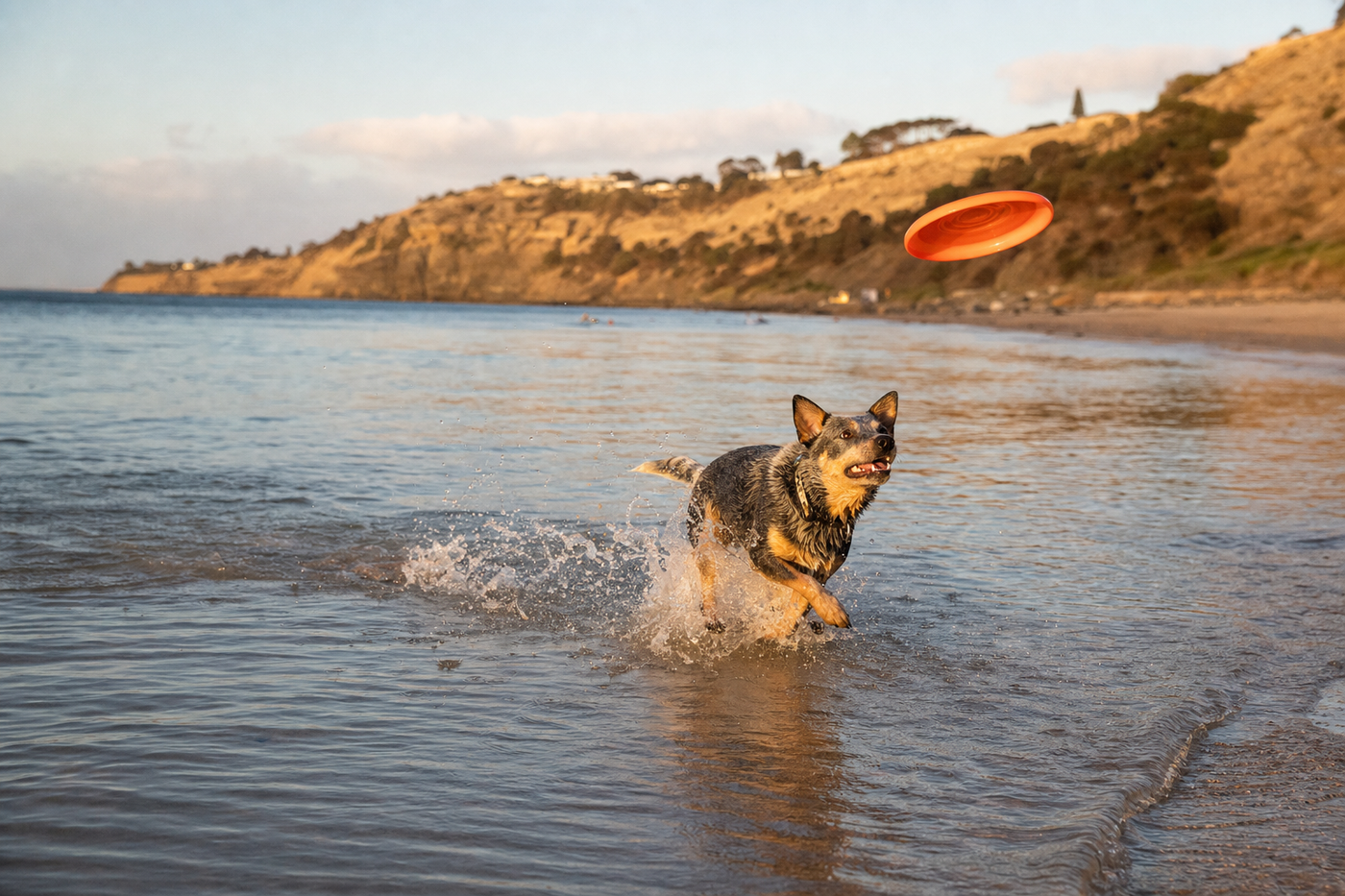
Heat stress and heatstroke are life-threatening in South Australian summers. Never leave your dog unattended in hot weather and know the signs of distress
Some South Australian wildlife, including snakes and spiders, pose genuine risks to curious dogs. Keep your dog on-lead in unfamiliar areas and check accommodation for local hazards before arrival
Getting Your Dog Ready for South Australian Travel
Before you pack the car, your dog needs a few things sorted. South Australia requires all dogs to wear a microchip, so if yours doesn't have one, get it done at your local vet at least two weeks before travel. Your dog also needs a current vaccination certificate, especially if you're crossing state borders or staying in certain regions.
Work out how your dog travels best before you hit the Heysen Road or the Barossa Valley. Some dogs settle into a crate in the back of the car, while others need a harness attached to the seat belt. Start with short drives around your neighbourhood to see what works. Take note of how often your dog needs toilet breaks, how much water they drink, and whether they get car sick. A dog that vomits for three hours straight to Adelaide teaches you things fast.
Get your dog used to different surfaces and weather. South Australia's beaches have sand that gets scorching by noon, and the Fleurieu Peninsula can be windy. Let your dog walk on different ground at home so their paws toughen up a bit. Check with your vet if your dog is overweight or elderly before long journeys, as heat stress is real in summer.
Best Dog-Friendly Beaches and Coastal Areas
South Australia has some brilliant beaches for dogs, but the rules shift between seasons. Glenelg Beach allows dogs off-lead before 9am and after 5pm during winter months, which means you can watch your dog sprint through the shallows at sunrise. Brighton Beach is another great spot about 30 minutes south of Adelaide, and it's reliably dog-friendly year-round if you stick to the designated dog beach area.
The Fleurieu Peninsula is worth the 50-minute drive from Adelaide. Sellicks Beach lets dogs roam freely in winter, and the quieter sections near the sand cliffs are perfect if your dog gets anxious around crowds. Port Elliot Beach is smaller and often has fewer tourists, making it good for dogs that don't love chaos.
If you're heading further south to Victor Harbor, dogs can swim and play along certain stretches, though you'll need to check current restrictions with the local council. The beaches around Kangaroo Island are stunning, but remember that the ferry to the island has specific pet policies. Dogs are allowed on the ferry from Cape Jervis, but they need to stay in vehicles or designated pet areas for the journey.
Always bring water and shade. A beach umbrella takes up boot space but saves your dog from heatstroke. The sand reflects heat onto their paws, so test the temperature with your hand before letting them run. Early morning or late afternoon beach visits are safer and more enjoyable for everyone.
Gear we would pack
Some links below are affiliate links. Pawtrips may earn a commission at no extra cost to you.

Dog Ear Muffs for Noise Protection
These ear muffs help keep your pet calm in noisy environments during travel.

Gentle Chew Toy for Teething Puppies
A calming chew toy is great for easing travel stress in puppies.

Internal Knotted Dog Toy for Less Mess
Durable design means less mess when travelling with your pet.

Quiet Cordless Dog Clippers for Stress-Free Grooming
Quiet grooming tools reduce stress, perfect for on-the-go grooming.
Dog-Friendly Walks and Hiking Trails
The Mount Lofty Ranges, just 20 minutes from Adelaide, has several dog-friendly walking tracks. The Summit Trail is straightforward and takes about 45 minutes, and your dog will be fine on lead the whole way. Other trails like the Waterfall Gully Walk allow dogs as long as they're under control and on-lead near wildlife areas.
The Barossa Valley offers more than wine. The Para Wirra Recreation Park near Tanunda has walking paths where dogs can stretch their legs, and the scenery keeps you entertained too. Your dog won't care about the heritage vineyards, but the open spaces are brilliant for a proper run.
For a longer adventure, the Heysen Trail near Heysen Road in the Adelaide Hills is a gorgeous multi-day walking route, and sections of it are open to dogs. If you're doing a day walk, pick a quieter section to avoid crowding. The Morialta Conservation Park near Rostrevor has trails ranging from 45 minutes to three hours, perfect if you're building your dog's fitness.
Always check current fire danger restrictions before heading out. In summer, trails close quickly on high-risk days. Bring twice as much water as you think you'll need, and watch for native wildlife. Your dog might want to chase a kangaroo, and that rarely ends well for anyone.
Where to Stay: Accommodation Options That Welcome Dogs
Adelaide city centre has a few dog-friendly hotels and apartments, though most charge a pet fee of 20 to 50 dollars per night. The Hilton Adelaide and some boutique hotels allow dogs if you book in advance and let them know at check-in. If you're staying longer, a pet-friendly holiday house is often cheaper than hotels and gives your dog more space.
The Barossa Valley and Adelaide Hills regions have several farm stays and cottage rentals that genuinely welcome dogs. Many owners have dogs themselves, so they understand the need for secure fencing and space to explore. A search for holiday houses in towns like Tanunda or Hahndorf will show you options with secure yards.
The Fleurieu Peninsula has excellent dog-friendly beach houses, particularly around Port Elliot and Victor Harbor. These spots are popular with families and dogs, so facilities are usually well set up. Winter is the cheapest time to book, and you'll avoid the summer crowds that make some dogs stressed.
Kangaroo Island has a handful of dog-friendly accommodation options, though availability is limited. Most places have good outdoor space since the island is naturally quiet. Always confirm the fence is secure before you arrive, and ask about any local wildlife concerns specific to where you're staying.
Managing Heat and Safety in South Australian Climate
South Australian summers are hot, and your dog will suffer if you're not careful. Temperatures in January regularly hit 35 to 40 degrees Celsius in Adelaide and inland areas. Never leave your dog in a parked car, even in shade with windows cracked. The temperature inside climbs fast, and your dog can overheat in under 15 minutes.
During hot months, walk your dog early in the morning or after sunset. The bitumen gets so hot by midday that it burns paw pads. Feel it with your bare hand before you walk. If you can't hold your hand on the ground for five seconds, it's too hot for your dog's feet.
Keep water with you always. A collapsible bowl weighs nothing and fits in your day pack. Offer water every 30 minutes on walks, not just when your dog asks. Some dogs don't realise they're dehydrated until it's too late. Watch for signs of heat stress: excessive panting, drooling, lethargy, or disorientation. If your dog shows these signs, find shade, offer water, and call a vet immediately.
Consider when you travel. Spring and autumn are ideal for road trips. Summer heat means your dog spends most of the day inside air conditioning, defeating the purpose of a travel adventure. Winter is cooler but still manageable, especially in December and February when you avoid peak season prices and crowds.
Local Vet Services and Emergency Care
Before you travel, write down the addresses and phone numbers of vets near where you're staying. South Australia has good veterinary coverage, but emergency vets aren't always easy to find at 11pm on a Saturday. The Veterinary Emergency Service in Adelaide operates 24/7, and most larger towns have at least one emergency clinic.
In Adelaide, the Animal Referral Hospital on South Terrace is open around the clock. In the Barossa, the Tanunda Veterinary Clinic handles emergencies during business hours, but you'd drive to Adelaide for late-night care. Port Elliot and Victor Harbor have local vets, though they're quieter practices that might have limited after-hours availability.
Bring your dog's medical records when you travel, including vaccination certificates and any medication. If your dog takes regular tablets or has allergies, bring extra supplies. A simple upset stomach on day three of a week-long holiday is manageable if you have your dog's regular food, but it becomes an emergency if you're out of options.
Consider pet insurance before you travel, especially if your dog is older or has existing health issues. A sudden vet bill in a regional town can be expensive, and insurance takes the stress out of medical decisions. Some policies cover emergency care only, while others cover routine visits and accidents.
What to Pack: Essential Gear for Your Dog
Start with the basics: food, water, bowls, lead, collar, and any medications your dog needs. Pack two leads if you can, since one might break or get lost. Bring a comfortable dog bed or blanket so your dog has a familiar place to sleep in new accommodation.
Add a first aid kit with basics like antiseptic wipes, bandages, and any wound cream your vet recommends. Include tweezers for removing splinters and a thermometer if you're confident using it. A recently updated photo of your dog on your phone is essential if your dog goes missing.
Toys and enrichment items help your dog settle in unfamiliar places. A Kong, chew toy, or rope toy keeps them occupied in accommodation. Some dogs get anxious in new spaces, and a familiar toy makes a big difference. Poo bags are obvious but easy to forget, so buy them at the start of your trip and keep them in the car.
Bring a harness in addition to your normal collar. A harness is safer for car travel and better for dogs that pull. Some accommodation has specific requirements about how dogs must be restrained, so having options is smart. A portable water bowl takes up almost no space and saves you from asking strangers for water sources.
Travelling Between Regions: Distance and Drive Tips
South Australia is bigger than it looks on maps. Adelaide to Port Augusta is 240 kilometres and takes just under three hours, but that's three hours of sitting still for your dog. Plan toilet breaks every 90 minutes minimum. A dog that gets car sick, anxious, or frustrated will make the drive miserable for everyone.
The drive to the Barossa Valley from Adelaide is only 60 kilometres, so that's manageable as a half-day trip. If you're heading to the Fleurieu Peninsula, expect 60 to 90 minutes depending on where you're going. These shorter drives are good for breaking in your dog's travel routine.
Kangaroo Island requires a ferry from Cape Jervis, which is 100 kilometres south of Adelaide. The drive to the ferry is long before the ferry journey starts, so give yourself most of a day. The ferry takes 45 minutes, and rough seas can upset dogs, so talk to your vet about motion sickness if your dog is sensitive.
Break long drives into manageable chunks. Staying overnight partway through a long journey is better for your dog than pushing through in one day. A tired dog arrives at accommodation already exhausted and stressed, making the first night harder. If you're driving more than four hours, aim to stop halfway and let your dog rest properly.
Plus early access to new guides and partner deals.
No spam. Ever. Just the good stuff for you and your pet.