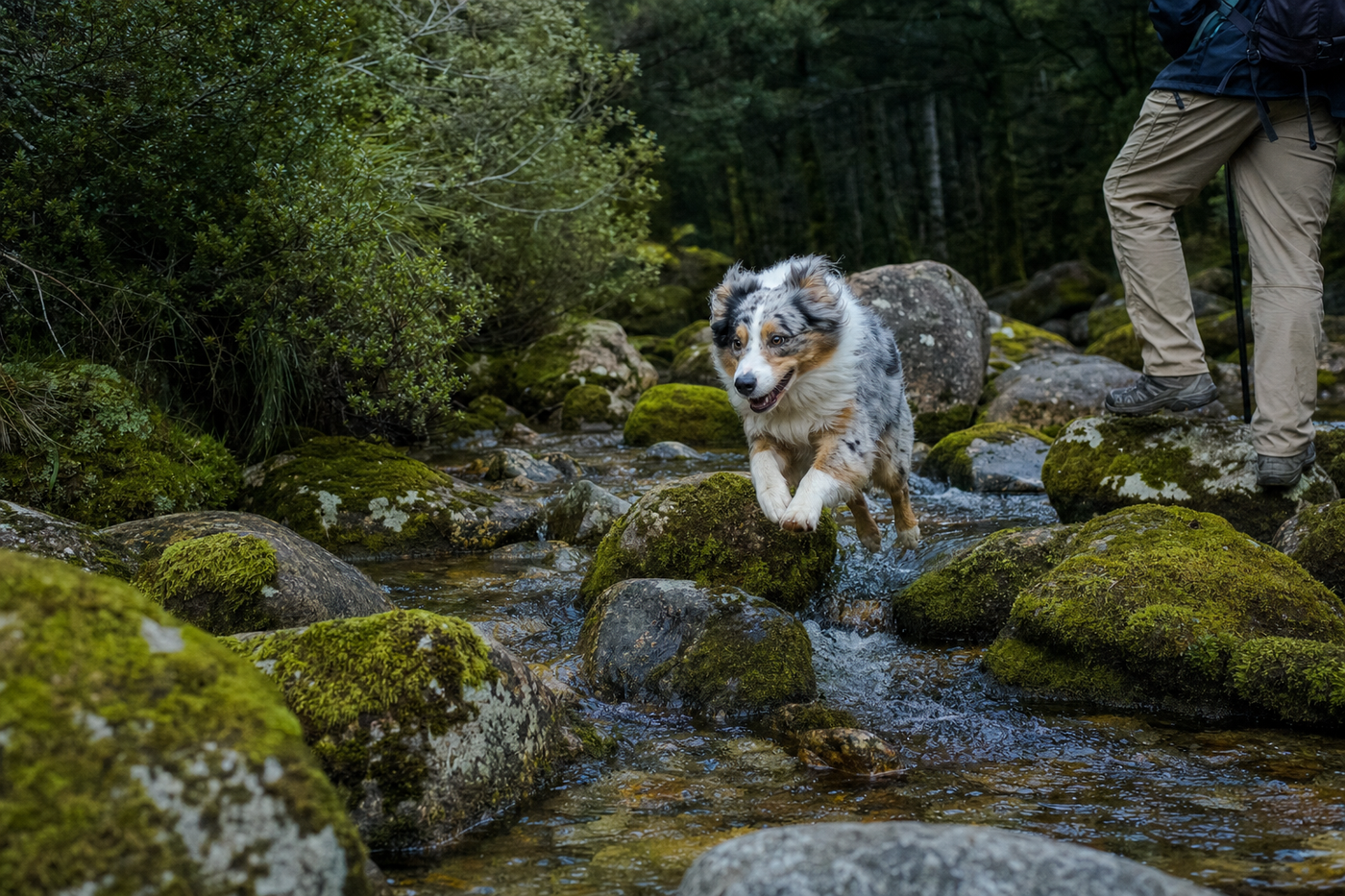
Ticks are common in Tasmania from October to March, check your dog daily and use appropriate prevention. Some Tasmanian ticks can cause serious illness.
Some areas have seasonal snake activity, keep your dog on lead in long grass and rocky terrain, especially during warmer months.
Before You Go: Quarantine and Import Rules
Tasmania takes biosecurity seriously, so your dog needs a microchip before arrival. If you're travelling from mainland Australia, your dog doesn't need a formal import permit, but you'll want proof of current vaccinations and a recent health certificate from your vet. I learned this the hard way when a ranger questioned my vaccination record near Cradle Mountain. Get the microchip sorted at least a month before your trip because vets can get booked out, especially during school holidays. Most Tasmanian vets offer microchipping on the same day, and it costs around 50 to 80 dollars. Keep a photo of the certificate on your phone because you might be asked at accommodation or national parks.
If you're bringing your dog from interstate, contact the Tasmanian Department of State Growth before travel. They have a specific process for pets arriving from outside Tasmania, though it's fairly straightforward for dogs with proper documentation. Your dog will need proof of rabies vaccination if you've travelled internationally in the past five years. The whole process sounds complex, but most vets have done this before and can guide you through it. I've found that ringing the accommodation ahead helps too, as they can tell you exactly what paperwork they need to see.
Getting to Tasmania with Your Dog
The Spirit of Tasmania ferry runs between Melbourne and Hobart, and it's the most common way to arrive with a car. You'll need to book vehicle space in advance, and dogs travel in your vehicle in a well-ventilated cabin or secure area. The crossing takes about 11 hours overnight, and your dog gets a decent stretch of deck time during the journey. I took my kelpie mix on this ferry once, and she slept most of the way, which honestly made the trip easier than driving straight through. Book your vehicle space early because peak season fills up weeks ahead, and you'll want a cabin where your dog can be comfortable. The ferry company allows dogs but asks that you clean up after them, which is fair enough.
If you're flying into Hobart instead, you'll need to arrange ground transport since rental cars don't always accommodate dogs easily. Most hire companies allow dogs but may charge a cleaning fee, so check the fine print. Launceston Airport is another option if you're heading to the north of the state. Many people drive from Melbourne to Tasmania, which takes about 13 hours but gives you flexibility with rest stops. Whatever route you choose, give your dog time to settle before starting any long drives or walks.
Gear we would pack
Some links below are affiliate links. Pawtrips may earn a commission at no extra cost to you.

Dog Ear Muffs for Noise Protection
These ear muffs help keep your pet calm in noisy environments during travel.

Gentle Chew Toy for Teething Puppies
A calming chew toy is great for easing travel stress in puppies.

Internal Knotted Dog Toy for Less Mess
Durable design means less mess when travelling with your pet.

Quiet Cordless Dog Clippers for Stress-Free Grooming
Quiet grooming tools reduce stress, perfect for on-the-go grooming.
Dog-Friendly Beaches and Coastal Walks
Tasmania's beaches are stunning, but dogs have restricted access from November through April during the busy season. Outside these months, Binalong Bay near St Helens lets dogs off-leash, and it's genuinely one of the best stretches of sand I've seen anywhere in Australia. The bay has calm water perfect for dogs that aren't strong swimmers, and there's a good car park nearby. Mystic Beach near Coles Bay also welcomes dogs year-round, though you need to keep your dog on lead from November to April. The walk down to Mystic Beach is only 20 minutes and ends at a sheltered rocky cove where your dog can splash around safely.
Cape Bruny near Bruny Island has dog-friendly walking tracks all year, and the coastal views are worth the trip alone. Your dog will love the varied terrain, from sandy areas to rocky outcrops. Margate Beach near Hobart is another reliable spot where dogs are welcome outside the November to April period. Many locals walk their dogs at Margate early in the morning before the beaches get busy. If you're visiting during the restricted months, focus on coastal walks instead of beach time. The South Coast Track near Cockle Creek is incredible for experienced walkers with fit dogs, though it's a two-day hiking expedition. Always check local council websites before heading out because beach restrictions can change year to year.
Mountain Walks and National Parks
Cradle Mountain is Tasmania's most iconic walk, and dogs are allowed on most tracks as long as they're on lead. The Dove Lake circuit takes about two hours and offers amazing views of the mountain reflected in the water. I watched my dog paddle in the lake while I sat on the bank and just breathed in the mountain air. The walk isn't too steep, and there are good rest spots every 15 to 20 minutes. Keep your dog on a short lead because there are rocky sections where a loose dog could slip. The car park fills up by 9 AM in summer, so get there early.
Frenchman's Cap is another spectacular walk where dogs are welcome, though it's more challenging with an 8-kilometre round trip and some steep sections. Only take your dog on this walk if they're fit and used to longer distances. Mount Wellington near Hobart has multiple tracks, and the shorter walks are perfect for dogs that need exercise without exhaustion. The summit track is about 5 kilometres return and gives you views across Hobart and the Derwent River. Ben Lomond near Launceston has dog-friendly walking areas too, though check with the ranger station about track conditions before you go. Many of these parks charge a parking fee, usually around 12 to 15 dollars per day.
Pet-Friendly Accommodation Across Tasmania
Hobart has several dog-friendly hotels and guesthouses that don't treat your dog like a problem. The Salamanca area near the waterfront has accommodation options within walking distance of good dog parks and outdoor cafes. Many Tasmanian farm stays welcome dogs, and these are genuinely some of the best places to stay because your dog gets space to roam safely. I spent two nights at a farm near Ross, about 30 kilometres from Hobart, and my dog had a proper paddock to explore while I relaxed on the veranda. Farm stays typically charge between 150 and 250 dollars per night and include breakfast.
Launceston's accommodation is more spread out, but you'll find dog-friendly options in suburbs like Riverside and along the Tamar Valley. Beachside towns like Coles Bay and Bicheno have holiday rentals that welcome pets, though you'll pay more during school holidays and summer. Look for places that specifically mention secure outdoor areas because even well-trained dogs get curious about new neighbourhoods. Many accommodation providers ask for a bond or cleaning fee, usually 50 to 100 dollars, which is standard. Book early if you're travelling during school holidays or summer weekends because good dog-friendly places get reserved months in advance. Check reviews specifically for mentions of how other travellers' dogs were treated, as this tells you a lot about the place.
Food and Pubs Where Dogs Are Welcome
Tasmania's craft beer scene is huge, and many breweries have outdoor seating where dogs are welcome. Tasmanian Brewery in Hobart allows dogs on the outdoor deck, and the beer is excellent. My dog just slept under the table while I tried different styles and watched the sunset over the brewery. Many restaurants with outdoor spaces let dogs sit beside your table, especially in quieter towns. Always ask the staff first because policies vary, and some places get nervous about liability even though well-behaved dogs are rarely an issue.
Country pubs in towns like Ross and Oatlands often welcome dogs in the beer garden, and the locals are usually friendly. These pubs serve basic meals, and your dog will fit right in because farm dogs are common in these areas. Cafes along the waterfront in Hobart, Launceston, and Coles Bay increasingly have dog-friendly outdoor seating. Many coffee shops now keep water bowls out specifically for dogs, which is a nice touch. Avoid taking your dog inside restaurants or enclosed areas unless the place explicitly says it's permitted, because health regulations are strict. Markets like Salamanca Market in Hobart are generally dog-friendly on Saturday mornings, and vendors often have treats specifically for dogs.
Practical Tips for Travelling with Your Dog in Tasmania
The Tasmanian climate can be unpredictable, so pack a dog jumper and a lightweight rain jacket regardless of the season. I've seen perfect 20-degree days turn into chilly 12-degree afternoons with rain within hours. Tasmania's summer is November to February, and it gets genuinely hot, so plan your walks for early morning or late afternoon. Winter runs from June to August and brings cold rain, which my dog didn't mind but which tested my patience on several occasions. Spring and autumn are the sweet spots for travelling, with mild temperatures and fewer restrictions on beach access.
Tick and snake awareness is important, especially during warmer months from October to March. Check your dog's fur regularly, particularly in creases and ears where ticks hide. Tasmanian snakes aren't as aggressive as mainland species, but they're present, so keep your dog on lead in long grass and rocky areas. Always carry a phone signal checker because some rural areas have spotty coverage. Petrol stations are scattered across Tasmania, so fill up whenever you pass one in remote areas. Vets are available in Hobart, Launceston, and most larger towns, so you're not far from emergency care. Keep your dog's vaccination records and microchip details with you at all times in case you need to visit a vet.
Day Trip Ideas from Hobart and Launceston
From Hobart, Bruny Island is a 45-minute ferry ride across, and you can take your car and dog straight on. The island has walking trails, quiet beaches outside the banned season, and a fantastic pie shop at the southern end. I took my dog on the scenic loop drive and stopped at several lookouts where we both got out and stretched. The ferry costs about 25 dollars for a car and driver, and dogs travel free in your vehicle.
Books and Cranny Bay near Kingston is only 20 minutes from Hobart and has a beautiful beach where dogs are allowed outside November to April. The walk down takes five minutes, and the beach is usually quiet. Mona, the Museum of Old and New Art, isn't dog-friendly inside, but the surrounding grounds are worth exploring with your dog. From Launceston, the Tamar Valley is perfect for a day trip, with wineries that have outdoor areas where dogs are welcome. Many vineyards have scenic picnic areas, and you can grab cheese and wine to take out. Cataract Gorge near Launceston has walking trails alongside the river, and several sections are dog-friendly.
Plus early access to new guides and partner deals.
No spam. Ever. Just the good stuff for you and your pet.