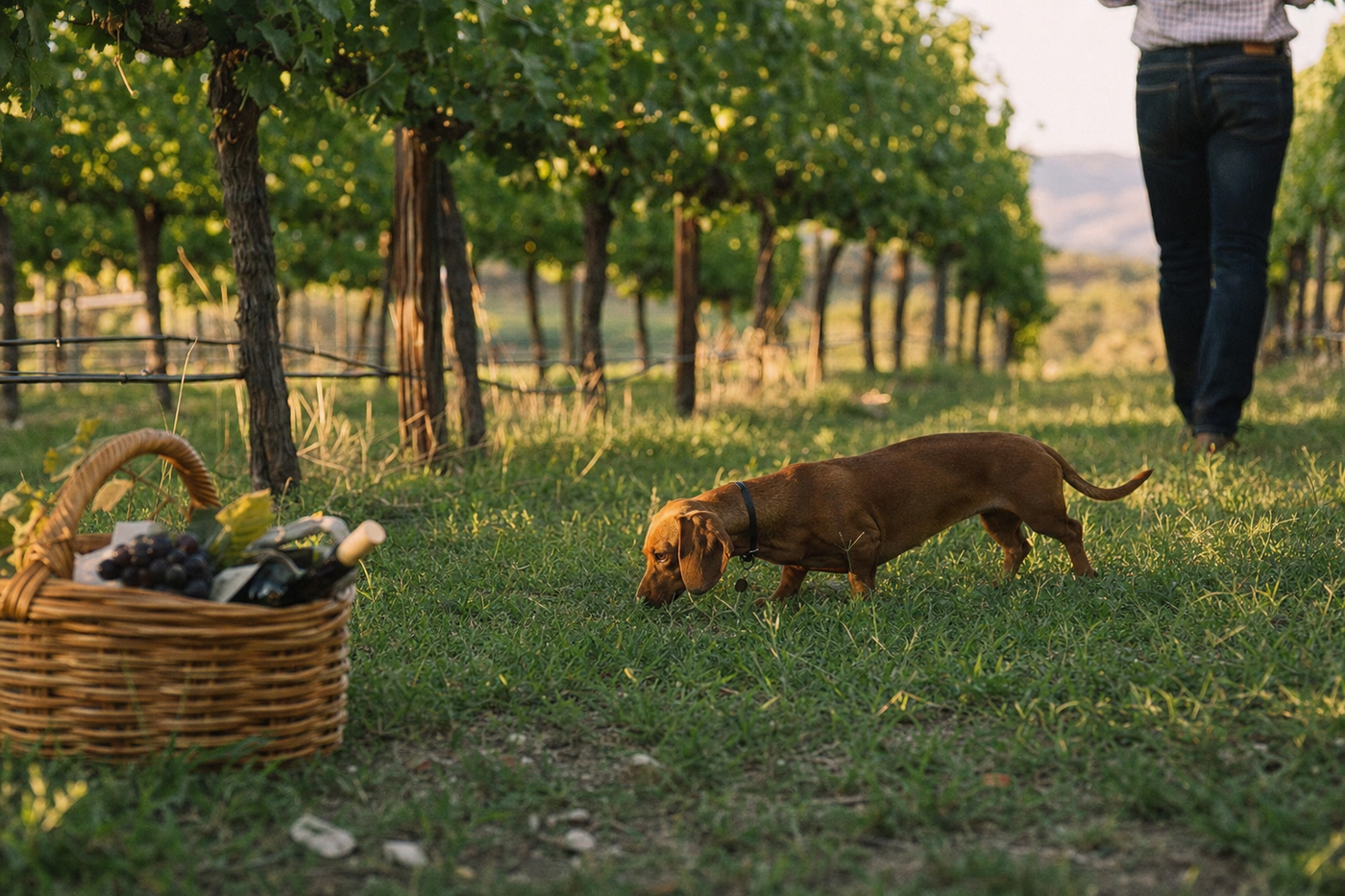
Heat stress is a genuine risk when travelling with dogs in the Granite Belt, even during mild seasons. Never leave your dog unattended, always carry water, and watch for signs of overheating including excessive panting, drooling, or lethargy.
Some winery properties have unfenced boundaries or access to roads. Keep your dog on a lead at all times unless explicitly told an area is secure and enclosed.
Why the Granite Belt is perfect for travelling with dogs
The Granite Belt sits about 200 kilometres west of Brisbane, near the towns of Stanthorpe and Ballandean. This region has grown into Queensland's most established wine destination, with over 50 wineries scattered across rolling hills and granite outcrops. The cool climate produces excellent cool-weather wines, and many vineyard owners have realised that dogs bring joy to the tasting experience.
I drove up with my border collie on a clear September morning, expecting rejection at most cellar doors. Instead, several winery staff members knew my dog's arrival was possible because they actively welcome four-legged visitors. The roads wind through countryside, so you're not battling city traffic, and most properties sit on sprawling land where dogs can stretch their legs safely.
The region feels less pretentious than other Australian wine areas. Staff members are relaxed about pets, and the overall vibe is family and animal-friendly. You'll find quiet tasting areas, shaded outdoor spots, and owners who genuinely enjoy talking to travellers with dogs.
The best dog-friendly wineries in the region
Donnellan Estate Wines, located near Ballandean, welcomes dogs on leads throughout their property. Their cellar door sits at 850 metres elevation, offering cool breezes even on hot days. I sat with my dog at one of their outdoor tables while sipping their shiraz, and staff members brought water without me asking.
Rogues Retreat, just south of Stanthorpe, has a large open property where dogs can roam on lead. They produce excellent pinot noir and have a small café serving snacks that work well if your dog needs to stay close by. The staff here were particularly patient when my dog got anxious during a tasting.
Storehouse Vineyard allows dogs in their outdoor tasting area, which overlooks the valley. Their building sits back from the main cellar door, so there's natural separation between wine storage and where dogs might be. I found their albariño refreshing, and the view kept my dog entertained for hours.
Mountain Creek Vineyard, near the Stanthorpe town centre, actively encourages dog visits. Their property has multiple level areas, so you're not forcing your dog to navigate steep terrain. Several picnic tables sit in shaded spots, ideal for travelling with older dogs who need to rest.
Managing your dog in the heat and unfamiliar terrain
Granite Belt temperatures climb to 28 to 30 degrees Celsius in spring and autumn, but the elevation provides relief compared to Brisbane. However, winery visits still demand careful planning around heat and exertion. I learned this the hard way when my dog overheated after walking between three cellar doors on a September afternoon.
Bring a portable water bowl and refill it every two hours, even if your dog hasn't asked for water. Many wineries have outdoor taps, but some don't, so carrying bottled water is essential. Never assume a winery will have dog-specific facilities.
The terrain varies dramatically across properties. Some wineries sit on completely flat ground, while others involve walking up slopes to reach the tasting room. Before you visit, call ahead and ask about accessibility for dogs. If your dog has joint issues or is elderly, ask specifically whether you can reach the tasting area without climbing.
Visit early in the day, ideally before 11am, when temperatures are cooler and crowds are smaller. Your dog will handle the experience better, and you'll get more attention from staff members who aren't rushed.
Gear we would pack
Some links below are affiliate links. Pawtrips may earn a commission at no extra cost to you.
PAW by Blackmores Complete Calm Multivitamins for Dogs
Travelling to new places can stress some dogs. These multivitamins support calm behaviour during winery visits and long drives. A calm dog enjoys the experience more and behaves better at cellar doors.
Setting expectations at the cellar door
Not every winery in the Granite Belt welcomes dogs equally. Some allow dogs in outdoor areas only, while others permit them indoors at the bar. A few restrict dogs to certain times of day or seasons. Calling ahead prevents disappointment and lets you plan your day around welcoming properties.
When you arrive, ask staff members directly where your dog is and isn't permitted. Some places worry about allergies or disruptions to other guests, which is reasonable. Respect those boundaries, even if you disagree. If a winery prefers dogs to stay outside, sitting on their patio with a lead-trained dog is a perfectly valid tasting experience.
Staff members will appreciate if your dog is calm and doesn't jump on tables or other visitors. Bring treats to reward good behaviour, especially if your dog tends to bark or gets anxious in new environments. I found that rewarding calm sitting encouraged my dog to settle throughout the afternoon.
If you're tasting with a larger group, let the winery know in advance. They'll prepare appropriate seating and can manage your dog's space better if they're expecting multiple people with one dog.
Pet-friendly winery stays on Booking.com
Finding dog-friendly accommodation near Granite Belt wineries is easier with Booking.com's dedicated pet filter. You can see exactly which properties welcome dogs and read reviews from other travellers with pets.
Where to stay near the wineries with your dog
Stanthorpe town offers several pet-friendly accommodation options within 15 to 20 kilometres of major wineries. The town has a main street with shops, cafés, and takeaway options, making it a convenient base for multi-day visits. Several holiday houses and small motels advertise dog-friendly rooms, though you'll need to book well in advance during spring and autumn.
Ballandean, 10 kilometres south of Stanthorpe, has fewer accommodation options but sits closer to several popular wineries. If you find a dog-friendly stay in Ballandean, you'll spend less time driving between tastings. The trade-off is fewer amenities and restaurants in the evenings.
Rural properties near the wineries sometimes offer farm stays where dogs are genuinely welcome. These options give you more space and often include acres where your dog can run safely. Expect to pay more for these properties, but the experience justifies it if you have a high-energy dog.
Book accommodation at least six weeks ahead during September to November and March to May. The region fills quickly during these pleasant months, and pet-friendly options are limited compared to regular rooms. Travelling with a dog restricts your options further, so planning ahead is crucial.
Holiday houses near wineries on Stayz
Stayz offers rural properties and holiday houses near the Granite Belt wineries, many explicitly welcoming dogs. Holiday houses give your dog more space and independence than traditional motels during multi-day stays.
Food and dining while travelling with your dog
Several cafés and restaurants in Stanthorpe permit dogs in outdoor seating areas. Many have installed shade structures specifically to make outdoor dining comfortable. Ask staff members which venues allow dogs before you sit down, as policies can change seasonally.
Prepare meals that work around your dog's schedule. Many winery visits run from mid-morning to late afternoon, which disrupts normal feeding times. I started feeding my dog earlier in the morning and later in the evening, keeping lunch light so the dog wasn't uncomfortable while tasting.
Bring high-quality dog treats or biscuits to reward calm behaviour during tastings. If your dog becomes anxious in crowded tasting rooms, having a special treat creates positive associations. Some dogs settle better when they have something to chew on while you're focused on wine.
Stanthorpe has a grocery store where you can purchase fresh meat, vegetables, or pre-made meals for your dog if you're staying several days. This beats relying entirely on commercial dog food, especially if your dog has dietary restrictions. Fresh options keep dogs satisfied during travel and prevent digestive upset from sudden food changes.
Blackdog Chicken Breast 1KG
Fresh chicken treats work perfectly for rewarding calm behaviour during winery tastings. Dogs respond better to real meat than processed biscuits, making these ideal for maintaining good manners at cellar doors.
Planning a realistic itinerary with your dog
Most dog owners can comfortably visit three wineries per day without exhausting their dog or themselves. Visiting more than four cellar doors turns the experience into a rushed obligation rather than an enjoyable afternoon. I learned this after attempting six wineries in one day and ending up with an anxious dog and a headache from excessive tasting.
Allow 90 minutes per winery visit, including the drive between properties. This includes tasting, conversation with staff, and a quiet rest period for your dog. Building breaks into your schedule prevents heat stress and keeps your dog's behaviour calm.
Design your route geographically to minimise driving. The region is compact, but roads wind through hills, so 15 kilometres might take 20 to 25 minutes. Excessive driving stresses dogs and reduces the time you spend tasting wines.
Designate one full day as a rest day if you're staying more than three nights. Visit a dog park in Stanthorpe, take your dog for a longer walk in the countryside, or simply stay at your accommodation. Your dog will enjoy the break, and you'll appreciate not rushing between tastings.
Portable dog water bowl
A collapsible water bowl is non-negotiable when visiting wineries across the Granite Belt. You'll refill it dozens of times, and a portable option takes up minimal space in your car or travel bag.
Seasonal timing and what to expect each season
Spring, September to November, brings pleasant temperatures and wildflowers across the region. This is peak tourist season, so wineries are busier and accommodation is harder to secure. Your dog will be most comfortable, but you'll encounter more people at cellar doors.
Autumn, March to May, offers another ideal window for travelling with dogs. Temperatures cool gradually, and crowds thin after March. This is my favourite season because you get the comfort without the intensity of spring tourism.
Summer, December to February, brings temperatures between 30 and 35 degrees Celsius. Travelling with dogs becomes risky unless you're committed to early morning starts and afternoon rest periods. Many locals reduce their winery activities during summer, and some properties close for holidays.
Winter, June to August, is cool but can be unpredictable. Frost is possible, and some properties experience overnight temperatures near freezing. Your dog will need extra warmth, but the wine tastings are peaceful and uncrowded. This season suits dog owners who don't mind cooler weather and prefer solitude.
Plus early access to new guides and partner deals.
No spam. Ever. Just the good stuff for you and your pet.