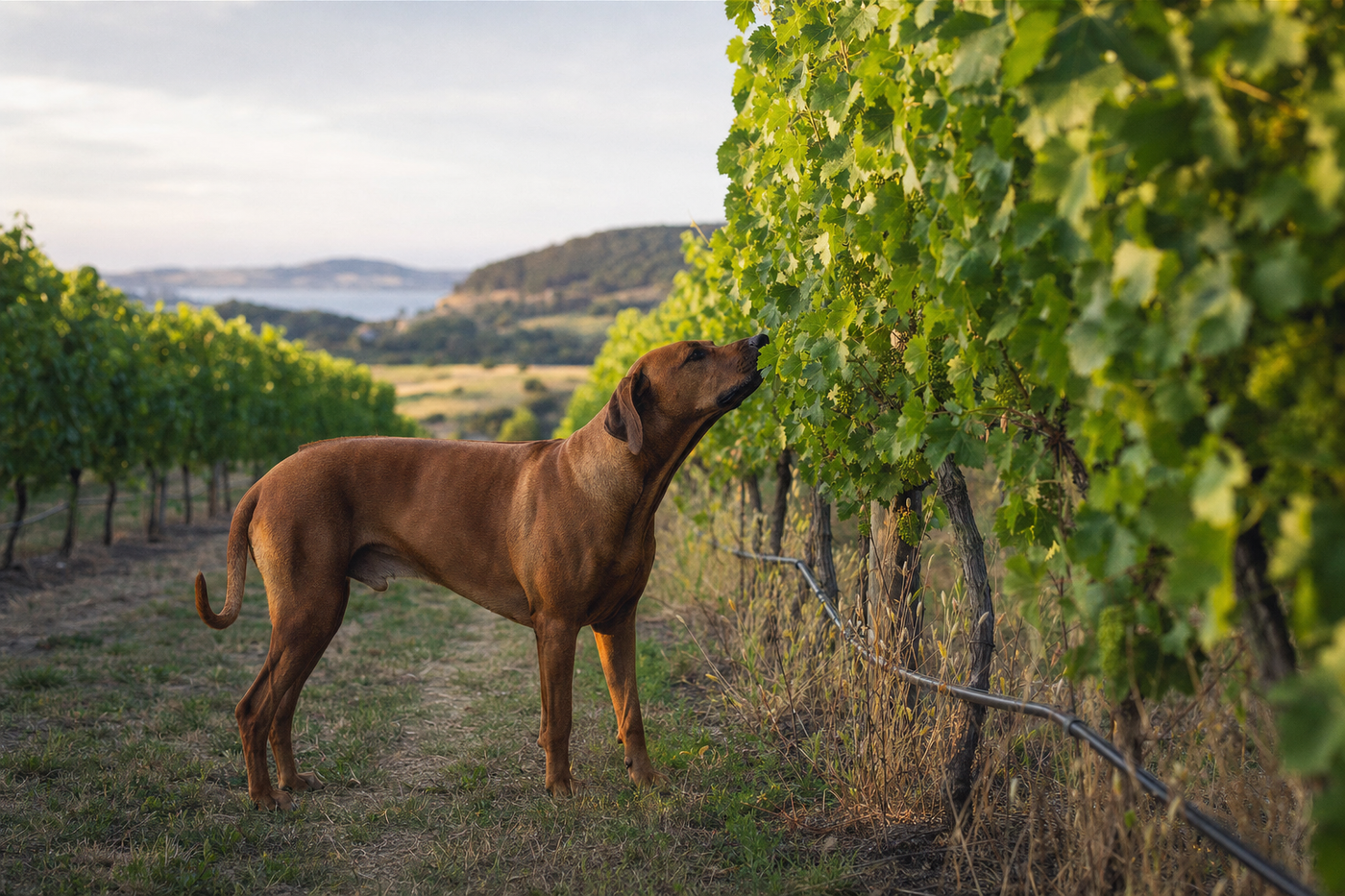
Heatstroke is a serious risk on the peninsula in summer. Dogs cannot cool themselves efficiently, and concrete and gravel terraces amplify the sun's heat. If your dog shows panting, drooling, or lethargy, move to shade immediately and contact a vet.
Some winery locations use pesticides and fertilisers on their grounds. If your dog eats plants or lies directly on treated grass, they could ingest harmful chemicals. Keep your dog on a lead and discourage them from eating or rolling on the grass.
Why the Mornington Peninsula Works for Dogs
The Mornington Peninsula sits about 90 minutes south of Melbourne, and it has become surprisingly dog-friendly over the last few years. Many winery owners realised that travellers with dogs were being turned away at the gate, so they started changing their policies. The result is a region where you can actually enjoy a glass of pinot noir while your dog snoozes at your feet.
The peninsula's landscape helps too. You get rolling vineyards, coastal paths, and plenty of open space. Dogs feel less confined than they do in crowded city tasting rooms. The weather is mild most of the year, though summer temperatures can spike above 30 degrees Celsius. This is manageable if you plan carefully and keep your dog hydrated.
Which Wineries Actually Welcome Dogs
Shadowfax Wines near Lancefield welcomes dogs in their outdoor garden areas and has become a favourite spot for dog owners. They ask you to call ahead, but they genuinely want your dog there. The grounds are spacious, and your pup can wander while you're settled with a wine.
Pinot By Post in Moorooduc allows dogs on their outdoor decks overlooking the vineyards. The owner actively encourages families and their pets to visit. Sunny Ridge Vineyard near Merricks also has a relaxed attitude toward dogs, though you should always confirm when booking.
Mornington Vineyard and Crittenden Estate are two others worth ringing. They often permit dogs in outdoor seating areas, but their policies shift seasonally. Never assume a winery accepts dogs without asking first. I learned this the hard way when I showed up with my border collie only to be told the owner had changed their mind that week.
The Drive Down and Managing Your Dog in the Car
The drive from Melbourne to Mornington Peninsula takes around 90 minutes depending on traffic and which winery you're heading to. Your dog needs proper setup in the vehicle. A dog harness, car seat, or travel crate keeps them safe and stops them moving around while you're driving.
Bring a portable water bowl and offer drinks every 45 minutes if it's warm. Pack a blanket or mat so your dog has a comfortable spot. Many dogs get anxious during long drives, so consider leaving earlier to beat traffic and give yourself time to stop at a rest area. Bayside Dogs Park in Dromana is a good halfway point where you can let your dog stretch and burn off energy before reaching the vineyards.
What to Pack for a Winery Day with Your Dog
You need more than wine glasses. Bring at least three litres of fresh water and a portable bowl. Dehydration happens faster than you'd think, especially on concrete terraces where the sun bounces off the ground.
Pack poo bags, a lead or long line, a blanket or portable mat, and some treats or a chew toy to keep your dog occupied while you're tasting. Sunscreen is worth considering for dogs with thin coats or pink noses. A small first aid kit with bandages and antiseptic is sensible if your dog cuts a paw on gravel.
Wear a backpack or day bag rather than carrying items by hand. You'll appreciate having both hands free when managing a dog and a wine glass. I've seen too many spills happen when someone tries to juggle all three.
Gear we would pack
Some links below are affiliate links. Pawtrips may earn a commission at no extra cost to you.
Dog Travel Bag for Day Trips
A quality dog travel bag keeps your water bowl, treats, poo bags, and first aid supplies organised and easy to access. When you're balancing wine glasses and your dog's lead, having everything in one waterproof bag makes the day far less stressful.
Portable Dog Water Bowl
A collapsible or portable bowl takes up minimal space in your bag but lets you offer water at each stop and during the tasting experience. The peninsula sun is unforgiving, and constant access to water is the single most important thing you can provide your dog.
Timing Your Visit to Avoid Crowds and Heat
Weekdays in spring or autumn are ideal. You get fewer visitors, calmer surroundings, and your dog will feel less stressed. Midweek visits also mean staff have more time to chat about their wines without rushing through the tasting.
Avoid peak summer weekends. January and February bring 35-degree heat, and most dogs struggle. December and January are busy holiday periods too. March to May and September to November offer the best balance of pleasant weather and manageable crowds.
Aim for morning tastings if possible. Many wineries open at 10 or 11 AM. Your dog is fresher in the morning, and you'll both appreciate the cooler temperatures. Late afternoon visits work too, arriving after 4 PM when the heat starts dropping.
Behaviour Expectations at Wineries
Your dog needs to be socialised and comfortable around people and other dogs. Winery grounds often have other visitors, and you might encounter other dogs. A nervous or reactive dog will struggle and might get you banned from returning.
Keep your dog on a lead in busy areas, even if the winery doesn't require it. One incident with another visitor's dog or a small child can end your day quickly. Some dogs do better with a calming supplement before travel, which can reduce anxiety and over-excitement.
Bias toward shorter visits. Your dog doesn't need to stay for three hours while you work through a flight of wines. Two tastings, a quick chat, and then a walk through the grounds keeps your dog engaged and happy. I've found that dogs often settle better when they know it's a short stop rather than an all-day event.
PAW by Blackmores Complete Calm Multivitamins for Dogs
If your dog gets anxious during car travel or in new environments, a calming supplement before your trip can take the edge off. These multivitamins are formulated to help dogs stay relaxed without sedation, so your pup can actually enjoy the experience.
Food, Water, and Rest Areas During Your Peninsula Trip
Many of the cafes and restaurants near wineries have dog-friendly outdoor seating. Merricks General Store has excellent coffee and snacks, and they welcome dogs on their outdoor terrace. Willow Creek Vineyard's cafe area allows dogs too.
Bring lunch rather than relying on finding pet-friendly food options. A picnic with your dog under a shady tree is often more relaxing than hunting for dog-friendly venues when you're hungry. Most wineries are fine with you eating your own food in their grounds as long as you're purchasing wine.
Find a shady spot for a proper rest break halfway through your day. Your dog needs to lie down in cool shade, drink water, and recover. This is not the time to push through and visit five wineries in one day. Your dog will thank you, and you'll actually remember the experience rather than just remembering the drive.
Pet-Friendly Holiday Houses on Stayz
If you want to extend your winery visit into a full weekend, Stayz has numerous pet-friendly holiday houses near the peninsula. Staying overnight means you and your dog avoid the long drive home and can properly rest after your day out.
After Your Winery Visit: Recovery and Home
The drive home can be harder than the drive down. Your dog is tired, and you've had wine, so you might be slower to notice if they're uncomfortable. Make sure your dog has access to water during the return trip and offer a toilet break before you leave the peninsula.
When you get home, let your dog rest properly. They've had mental stimulation, new smells, and possibly some anxiety from the unfamiliar environment. A calm evening with their favourite toy or chew is appropriate. Some dogs sleep for hours after an outing like this, which is perfectly normal.
If your dog shows signs of stress or fatigue over the following days, scale back future trips. Not every dog enjoys all-day outings, and that's fine. Some dogs prefer short visits to one winery and a walk, rather than a full day of tasting and driving.
Plus early access to new guides and partner deals.
No spam. Ever. Just the good stuff for you and your pet.