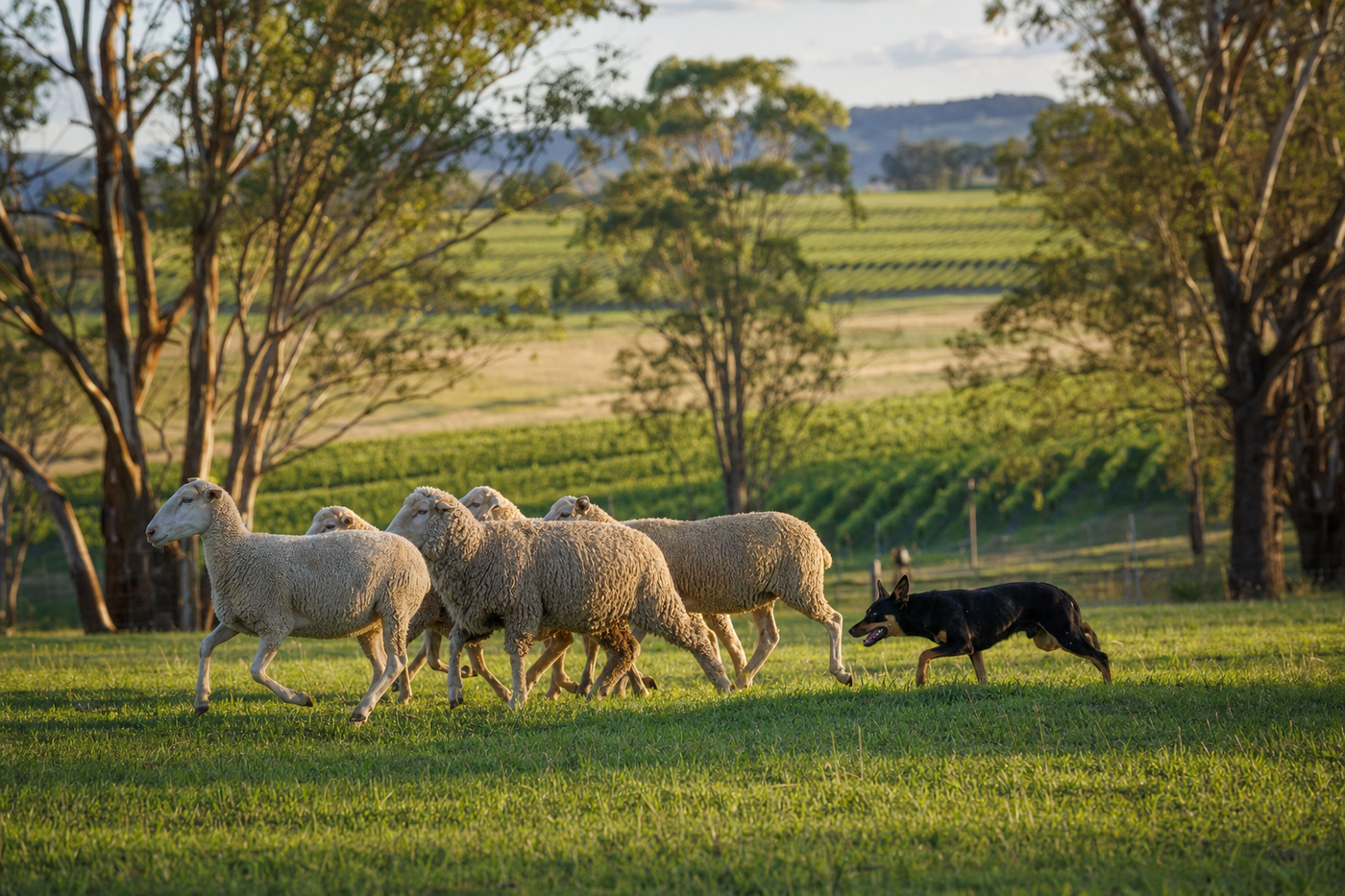
Eastern Brown Snakes and other venomous snakes are active on Australian farms between November and March. Never allow your dog unsupervised outdoor access during these months or in early morning and late afternoon hours when snakes hunt.
Farm dams and water tanks can be fatal drowning hazards, especially for dogs that cannot swim or panic in water. Ask the host about water access and consider keeping your dog on-lead near any water features.
Why Farm Stays Appeal to Dog Owners
Farm stays offer space that backyard suburbs simply cannot match. Your dog gets to run, sniff paddocks, and experience genuine countryside life instead of being confined to a small urban garden or apartment balcony. I took my Kelphi mix to a property near Mudgee in NSW last year, and watching her sprint across open fields for the first time was worth every dollar.
Rural properties also tend to have fewer neighbour complaints about barking. If your dog is reactive to other dogs or tends to bark at passing traffic, a farm stay gives everyone breathing room. The pace is slower, quieter, and more aligned with what dogs actually want: time to explore and tire themselves out naturally.
Many farm owners are country people who genuinely like animals and understand dog behaviour better than city-based accommodation hosts. This often translates to more flexibility and a willingness to work with you if your dog has specific needs or quirks.
Questions to Ask Before You Book
The farm stay listing description will never tell you everything you need to know. I learned this the hard way when I booked what seemed like a perfect spot near Tamworth, only to discover the property backed onto a busy road and had gaps in the back fence.
Always call the host directly. Ask about the condition and height of fencing around the property boundaries. Ask whether the dog will have exclusive access to a fenced yard or if it shares space with livestock like cattle or sheep. Clarify whether the dog can be inside the main house or if it must stay in outbuildings or kennels.
Inquire about what's actually on the property beyond what the photos show. Are there dams or water tanks your dog could accidentally fall into. Are there hay bales, farm equipment, pesticides, or baited traps in accessible areas. Ask about neighbouring properties too. Some farms sit next to busy highways or have dogs on adjacent land that might trigger fence running or aggression.
Find out the host's cancellation policy and what happens if your dog damages something. Get the nearest veterinary clinic's name and distance from the property, and ask if the host has experience with emergency pet situations.
Gear we would pack
Some links below are affiliate links. Pawtrips may earn a commission at no extra cost to you.

Quiet 62L Pet Dryer Box with Smart Control
This ensures your pet stays comfortable and dry during your travels.
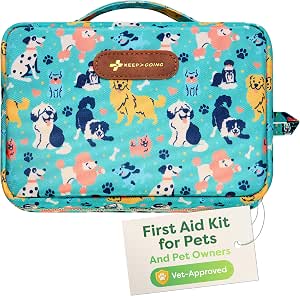
Dog First Aid Kit for Travel Emergencies
It's important to prepare for unforeseeable situations while travelling.

Dog Ear Muffs for Noise Protection
These ear muffs help keep your pet calm in noisy environments during travel.

Reduce Shedding with FURminator Conditioner
A well-groomed coat means less mess in your travel space.
Understanding Farm Hazards and Livestock Interactions
Farms are not sterile holiday parks. They contain real risks that urban dogs have never encountered. Livestock like cattle, sheep, and chickens trigger prey drive in many dogs. Even a well-behaved dog can panic and chase when it sees movement. Some farms specifically prohibit dogs near stock, and you need to respect that boundary entirely.
Water hazards are common and serious. Dams, troughs, and rainwater tanks can all be drowning risks, especially if your dog cannot swim or panics in water. I met a dog owner at a farm near Dubbo whose Bulldog nearly drowned in a dam because the water level was lower than expected and the dog could not climb out.
Chemical hazards include pesticides, herbicides, fertilisers, and fuel stored in outbuildings. Snail baits and rodent poisons are especially dangerous. Some farm properties still have old machinery with sharp edges or gaps where a dog could get trapped or cut.
Snakes are a real concern in warmer months across most of Australia. Eastern Brown Snakes are common on farms in NSW and Queensland. Your dog should not be left unsupervised outdoors between November and March, particularly in the early morning or late afternoon when snakes are most active.
Preparation and Training Before You Arrive
Your dog needs to be accustomed to coming immediately when called. Open spaces and distractions mean recall becomes genuinely important for safety. Spend at least two weeks before your trip practising off-lead recall in progressively more distracting environments. Work in local parks with other dogs present, or along bush trails where wildlife might appear.
If your dog has not spent time on dirt, grass, or rough terrain, take them for longer walks on unmade tracks beforehand. Paws toughen up gradually, and farm ground is often rough, rocky, or covered in stubble. A dog used only to paved footpaths will develop sore feet within hours of exploring a working property.
Consider whether your dog is comfortable being away from you for extended periods. Some dogs are fine roaming a farm independently. Others have separation anxiety or boundary anxiety and panic when they cannot see their owner. If your dog struggles with independence, choose a farm stay where you can stay close and keep the dog nearby during your time there.
Make sure your dog's vaccinations are current, particularly for leptospirosis if the property has dams or wildlife. Ask the farm host which vaccinations are recommended for the specific region. Microchip your dog and update your contact details on the microchip registry before you travel.
What to Pack and Bring With You
Rural areas mean rural distances. Petrol stations might be 20 minutes away. Veterinary clinics might be 40 kilometres away. Convenience stores might not stock the brand of food your dog eats. Bring extra of everything.
Pack at least one week's worth of your dog's regular food, even if you plan to stay for four days. Include your dog's regular treats and any medications, supplements, or special food items. Bring at least double the amount of water your dog normally drinks daily, because farm water from tanks or troughs is often not suitable for dogs due to minerals, algae, or contamination.
Include a comprehensive first aid kit specifically for your dog. Include bandages, antiseptic, tweezers for removing ticks and grass seeds, and any prescription medications your vet has supplied. Bring a recent photograph of your dog in case it goes missing in the rural area.
Pack multiple sets of towels because muddy paws are guaranteed. Bring a portable shower or bucket and sponge for washing your dog before it enters the house. Include a dog bed or blanket because not all farm stays provide comfortable bedding. Bring enzymatic pet odour cleaner in case accidents happen indoors.
Consider bringing a portable pet fence or exercise pen if your dog cannot be reliably contained by the property's existing fencing. This gives your dog secure space to be outside while you maintain control.
Behaviour Management in a New Rural Environment
Dogs often behave differently on farms compared to their normal home environment. The combination of new smells, open space, and potential wildlife creates excitement that overrides training. Your dog might ignore commands it normally obeys perfectly.
Manage your expectations about off-lead freedom. Even if the farm has good fencing, supervise your dog constantly for the first few hours. Watch how it responds to the new space, whether it tests boundaries, and whether it panics if you move out of sight. Some dogs need a full day to settle into a new property before they can be trusted unsupervised.
Keep your dog on lead when you first explore the property and meet the livestock or neighbours' animals. Let your dog become accustomed to the property's sounds and smells gradually. Avoid allowing your dog to establish new bad habits like fence running or excessive barking because these behaviours can become entrenched quickly in the novelty of a new environment.
If your dog has not been around chickens, cattle, or horses before, accept that its first farm stay might be overwhelming rather than relaxing. Consider choosing a quieter property with minimal livestock for a first rural experience. Your dog will be calmer and happier if the environment does not overstimulate it.
Choosing the Right Farm Stay for Your Dog's Personality
Not every farm stay suits every dog. A high-energy working dog thrives on a property with space to run and tasks to do. An older dog with arthritis needs a farm stay with flat terrain and short walking distances. A nervous dog needs a quiet property away from highways and neighbours.
Review listings carefully for clues about activity level. A property described as a working farm with cattle, horses, and chickens is very different from a quiet hobby farm with a vegetable garden. If the photos show rugged terrain, streams, or hills, ask yourself whether your dog can safely navigate that landscape. If the listing mentions nearby hiking trails, verify that these trails are dog-friendly and that your dog is fit enough to walk them.
Look for hosts who mention specific dog experience. Someone who says they have owned dogs for 20 years is likely more reliable than someone with no background information. Read reviews from other dog owners carefully. People often mention how their dog behaved and what issues they encountered.
Consider your dog's breed and size. Large dogs need properties with adequate space and sturdy fencing. Small dogs might be at risk from local wildlife like eagles or snakes on open farms. Short-nosed breeds struggle with heat, so farms without air conditioning in hot regions are unsuitable. Senior dogs need properties where you do not have to walk far to reach the house and amenities.
Money Matters and Planning Your Budget
Farm stays often cost less than traditional pet-friendly hotels, but do not assume they are budget accommodation. Premium farm stays near popular tourist areas like the Southern Highlands, Yarra Valley, or Barossa Valley charge significantly more than remote properties. Budget between 150 and 400 dollars per night depending on location, season, and amenities.
Factor in extra costs beyond nightly rates. Many hosts charge additional cleaning fees, which are entirely reasonable given the muddy paws and potential accidents. Some charge pet fees ranging from 20 to 50 dollars per night. Travel costs to reach rural properties are often higher because they sit further from major towns. A property near Coffs Harbour might require a three-hour drive from your starting point.
Consider booking during shoulder seasons (April to May or August to September) when rates are lower and the weather is pleasant for dogs. Peak summer and winter school holidays see farm stays booked out weeks in advance. Spring and autumn also mean fewer snakes and insects compared to summer.
Check whether the property requires a minimum stay of multiple nights. Some rural hosts prefer bookings of at least three days to make turnover worthwhile. Others require cleaning deposits, which they return if the property is left in good condition. Understand these terms fully before you commit payment.
Plus early access to new guides and partner deals.
No spam. Ever. Just the good stuff for you and your pet.