The most important first step
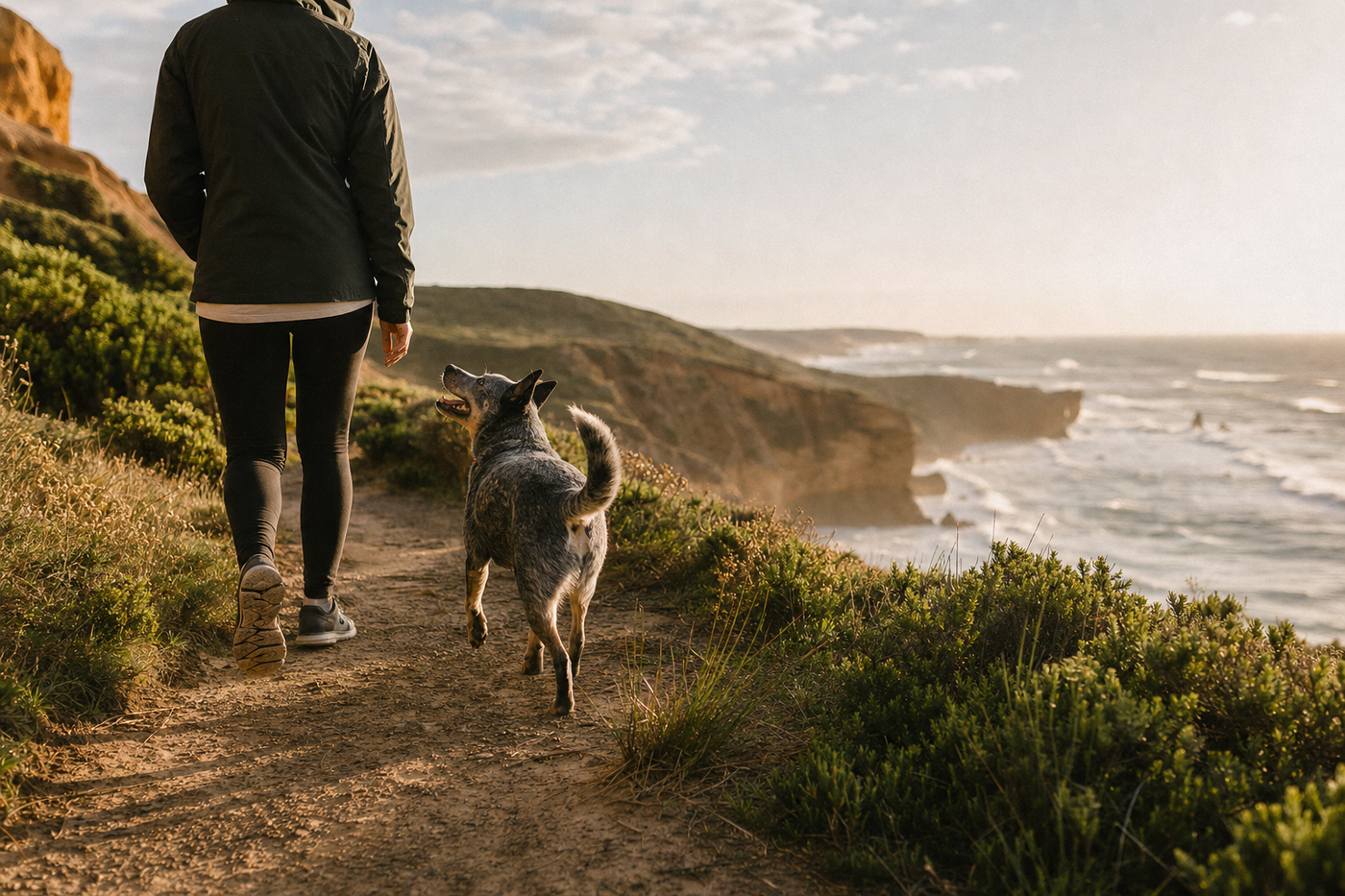
Before any overnight trip, do a short day trip with your dog to somewhere they enjoy. A beach, a park, a town with good walking. This tells you more about how your dog handles travel than any amount of research. You will learn whether they settle in the car, whether they manage new environments confidently, whether their recall is reliable in unfamiliar places, and whether the experience is genuinely enjoyable for both of you. If the day trip goes well, an overnight trip will probably go well. If significant issues emerge on the day trip, those issues will be amplified on a longer trip and are worth addressing before you commit to more.
The vet check
A vet check before any first long trip is worth doing. It confirms your dog is fit for travel, ensures vaccinations are current, checks tick and flea prevention is up to date, and gives you a professional assessment of anything worth monitoring. For a dog that has not travelled before, the vet can also advise on motion sickness risk and any anxiety management options if your dog is known to be anxious in new situations.
Gear we would pack
Some links below are affiliate links. Pawtrips may earn a commission at no extra cost to you.
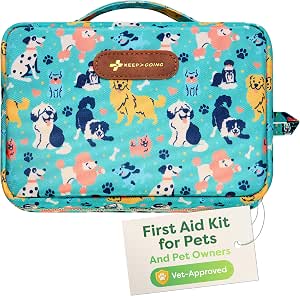
Dog First Aid Kit for Travel Emergencies
It's important to prepare for unforeseeable situations while travelling.

Dog Ear Muffs for Noise Protection
These ear muffs help keep your pet calm in noisy environments during travel.

Reduce Shedding with FURminator Conditioner
A well-groomed coat means less mess in your travel space.

Mini GPS Tracker for Cats - Real-Time Location
Tracking your cat eases the stress of travelling together.
What first-timers consistently get wrong
Booking last minute. Pet-friendly accommodation books out faster than standard accommodation. First-time travellers routinely underestimate this and end up in accommodation that technically accepts pets but is clearly not set up for them. Not asking the right questions before booking. Pet-friendly means different things at different properties. Ask about fenced yards, inside access, and breed restrictions before confirming every booking. Over-packing gear and under-packing food and water. Most dog travel gadgets are unnecessary. More food than you need and more water than you think you need are not. Trying to do too much. A first dog trip is better as a slow, relaxed experience at one good destination than a busy itinerary of multiple stops. Your dog needs time to settle at each new place.
The packing list that actually matters
Food for the full trip plus two extra days. Their regular food, not something new. Water, more than you think you need. A collapsible bowl. Their own bedding. Poo bags, more than you think you need. A leash and a harness. Vaccination records on your phone. The location of a vet at your destination. That is genuinely most of what you need. Everything else is optional.
After the first trip
The first trip tells you what works and what does not. Your dog's car behaviour, their settling speed in new accommodation, their managability at cafes and beaches, their recall in unfamiliar environments. Use what you learn to plan the next trip better. Each trip builds on the last. A dog that found the first trip challenging will often find the second trip easier because the car, the accommodation routine, and the experience of new places becomes familiar. The goal is not a perfect first trip. The goal is a positive enough first trip that both of you want to do it again.
Everyone has a first dog trip. Most of them are better than expected when you prepare properly. Write to us at hello@pawtrips.com.au with your first trip stories.
hello@pawtrips.com.auPlus early access to new guides and partner deals.
No spam. Ever. Just the good stuff for you and your pet.