Heat stress is a genuine risk if your cat is delayed in cargo during summer. Never fly your cat between November and February unless absolutely necessary, and choose early morning flights when temperatures are coolest
If your cat shows signs of severe panic, difficulty breathing, or lethargy after landing, seek veterinary care immediately. Some cats experience stress-related illness that requires treatment within hours
Airline Policies Vary Across Australia
Qantas, Virgin Australia, and Regional Express handle cats differently, so you cannot assume the same rules apply across all carriers. Qantas typically allows one cat per passenger in the cabin if it weighs under 7 kilograms, though they charge a pet fee of around AU$75 each way. Virgin Australia has similar weight restrictions but charges AU$100 per sector, and they sometimes move cats to cargo on longer routes. Regional Express occasionally allows cats in cabin on shorter flights between cities like Sydney and Melbourne, but rarely on longer routes.
I once booked my cat on what I thought was a pet-friendly flight from Brisbane to Cairns, only to discover the airline had moved her to cargo because she exceeded their cabin weight limit by 300 grams. The airline did not notify me until I arrived at the airport. Always ring the airline directly rather than relying on their website, because policies change monthly and staff can clarify edge cases around your cat's specific situation.
Health Certificates and Vaccination Requirements
Your vet must issue a health certificate within 10 days of your flight, and every airline in Australia requires one. The certificate confirms your cat is fit to fly and has current vaccinations, typically rabies and feline enteritis. Most vets charge AU$50 to AU$80 for this service, and the certificate itself costs an additional AU$30 to AU$50.
If you are flying to certain destinations like Tasmania or Western Australia, your cat may need additional permits or quarantine checks, even though you are staying within Australia. Tasmania is particularly strict about interstate cat movements. I learned this the hard way when I tried to take my cat from NSW to Hobart without checking regional biosecurity rules, and the airline refused to check her in. Book your vet appointment at least two weeks before your flight, because if your certificate expires or lacks required information, you cannot board.
Gear we would pack
Some links below are affiliate links. Pawtrips may earn a commission at no extra cost to you.

Quiet 62L Pet Dryer Box with Smart Control
This ensures your pet stays comfortable and dry during your travels.
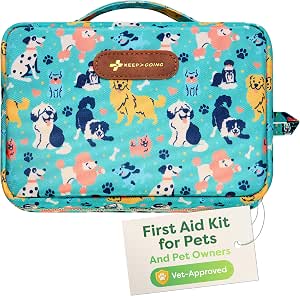
Dog First Aid Kit for Travel Emergencies
It's important to prepare for unforeseeable situations while travelling.

Dog Ear Muffs for Noise Protection
These ear muffs help keep your pet calm in noisy environments during travel.

Reduce Shedding with FURminator Conditioner
A well-groomed coat means less mess in your travel space.
Choosing the Right Cat Carrier for Air Travel
Your carrier must meet IATA (International Air Transport Association) standards, which means it needs proper ventilation, a secure latch, and dimensions that fit either under the seat in front of you or in the aircraft cargo hold. Most approved carriers measure around 40 centimetres long by 27 centimetres wide by 30 centimetres tall. Hard-sided carriers work better than soft fabric ones because airlines handle cargo roughly, and a flimsy carrier might collapse or open mid-flight.
I made the mistake of buying a soft carrier for my cat's first flight, and the baggage handlers dented it so badly that my cat felt trapped and stressed. Hard plastic carriers from brands like Petmate or Stefanplast cost AU$80 to AU$150 and are worth every dollar. Line the bottom with absorbent puppy pads in case your cat has an accident during the flight. Label the carrier clearly with your contact details and your cat's name on all sides.
Preparing Your Cat for the Stress of Flying
Cats experience anxiety during flights due to noise, pressure changes, and unfamiliar environments. Your vet can prescribe light sedatives or recommend pheromone products like Feliway spray, which mimics natural calming scents. Some vets suggest starting pheromone sprays on the carrier one week before your flight so your cat becomes familiar with the scent.
I never used medication for my cat until her third flight, and I wish I had asked my vet earlier. The flight to Melbourne where she was calm and quiet made such a difference compared to her previous stressed behaviour. Discuss options with your vet during your health certificate appointment, as sedatives require a prescription and timing matters. Your vet needs to know your cat's age, weight, and medical history to recommend the safest approach. Start introducing your cat to the carrier at home weeks before your flight by leaving it open with treats inside, so she does not associate it solely with car trips or vet visits.
What to Pack in Your Cat's Travel Kit
Pack enough food for the flight plus two extra days, because airport food options for cats are limited and unfamiliar food can upset their stomach during travel. Bring collapsible bowls, a portable litter tray, litter, water, and any medications in their original labeled containers. Include health certificates, vaccination records, and microchip paperwork in a waterproof folder.
I once arrived in Adelaide without my cat's regular food and spent two hours searching for the exact brand she eats. Pack familiar items like a blanket or toy that smells like home, as these reduce anxiety significantly. If your cat takes medication, bring double the amount in case you are delayed at the airport or your flight is rerouted. Airlines often allow you to access your cat during layovers of more than two hours, so pack everything you need for a quick toilet break and water refresh. Never pack your cat's items in checked baggage separately, because if your cat travels in cabin and your bag goes to cargo, you will not have her supplies.
Airport Procedures and What Happens at Check-In
Arrive at least three hours early for domestic flights when you have a cat, because staff need extra time to process pet documentation. At check-in, the staff member will scan your health certificate and confirm your carrier meets airline standards. They will also ask you to open the carrier so they can visually confirm your cat matches the microchip details on file.
Security screening can be stressful for cats. You will need to remove your cat from the carrier and walk her through the metal detector while holding her, which frightens many cats. I recommend wearing a secure top with pockets so you can quickly grab your cat if she tries to escape. After security, you can return her to the carrier. If your flight has a layover, you may be allowed to collect your cat from cargo to use the portable litter tray, though some airlines do not permit this. Always ask staff what your options are before your flight departs.
During the Flight and Managing In-Cabin Anxiety
If your cat is in the cabin with you, keep the carrier under the seat in front of you and avoid opening it during the flight. Some cats sleep through flights while others meow continuously, and there is little you can do once you are airborne. Cabin pressure can affect your cat's ears, so some cats experience discomfort, though this usually passes within hours of landing.
I sat next to a woman whose cat meowed loudly for the entire two-hour flight from Sydney to Brisbane, and the surrounding passengers were understandably frustrated. If your cat is a vocal traveller, pheromone spray applied to her blanket beforehand can help. If your cat travels in cargo, she will be in a temperature-controlled hold with proper ventilation, though you will not be able to see her during the flight. Staff will move her to the hold last and retrieve her first so she spends minimal time away from you. Do not make eye contact or interact with your cat if she is in the cabin, as this can increase her anxiety rather than calm her.
After Landing: Helping Your Cat Adjust
When you collect your cat after the flight, take her directly to your accommodation rather than making stops at pet shops or tourist attractions. Your cat needs quiet time to decompress and adjust to the new environment. Set up her litter tray, food bowl, and water immediately in a quiet room where she can hide if needed.
My cat refused to eat for the first day after flying to Perth, which worried me until my vet explained that stress affects appetite and this is normal. Keep her indoors for at least three days to ensure she does not bolt if you take her outside, since unfamiliar surroundings can trigger escape attempts. If you are staying in a pet-friendly accommodation, confirm they have cat containment protocols and that your cat cannot access balconies or open windows. Monitor her for signs of illness or extreme stress, and have your vet's contact details for your destination ready in case you need emergency care.
Plus early access to new guides and partner deals.
No spam. Ever. Just the good stuff for you and your pet.