Brachycephalic breeds like Bulldogs, Pugs, and French Bulldogs face serious health risks during flight due to breathing difficulties in pressurised cargo holds. Many airlines refuse to transport these breeds, and vets often advise against it.
If your dog has a heart condition, respiratory disease, or other serious health issue, flying can be life-threatening. Always get explicit vet clearance before booking, and don't override a vet's recommendation against flying.
Which Australian Airlines Allow Dogs on Planes
Qantas, Virgin Australia, and Regional Express (Rex) all allow dogs in the cabin or cargo hold, but their rules differ significantly. Qantas lets small dogs under 8 kilograms fly in the cabin on most domestic routes for around $150 to $300 per flight. Virgin Australia charges similar fees and accepts dogs under 10 kilograms in the cabin on select routes.
Rex has stricter rules and generally requires dogs to travel in cargo unless they are registered assistance animals. Larger dogs on any airline typically go into the pressurised cargo hold, which costs between $300 and $500 depending on the route and the dog's weight. I learned the hard way that not all regional routes accept pets, so ringing your airline directly before booking is essential. Small airports like those servicing Hobart or Cairns may have different policies than Sydney or Melbourne.
Costs You Need to Budget For
A single domestic flight with a small dog in the cabin costs between $150 and $300 on top of your own ticket. If your dog is too large for the cabin and must travel in cargo, expect to pay $400 to $600 for flights like Sydney to Brisbane. When I flew my kelpie from Melbourne to Adelaide, the cargo fee was $450, which surprised me at the time.
Don't forget the hidden costs. A health certificate from your vet costs $50 to $100. A new airline-approved carrier might run $80 to $200. Calming treats or supplements add another $30 to $60. If your dog needs sedation from a vet, add another $80 to $150 to the bill. A return trip with a medium-sized dog in cargo can easily exceed $1,200 when you count everything. Budget wisely and ask your airline for an exact quote before you book.
Gear we would pack
Some links below are affiliate links. Pawtrips may earn a commission at no extra cost to you.

Quiet 62L Pet Dryer Box with Smart Control
This ensures your pet stays comfortable and dry during your travels.
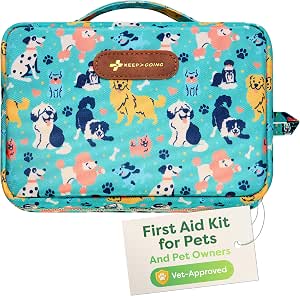
Dog First Aid Kit for Travel Emergencies
It's important to prepare for unforeseeable situations while travelling.

Dog Ear Muffs for Noise Protection
These ear muffs help keep your pet calm in noisy environments during travel.

Reduce Shedding with FURminator Conditioner
A well-groomed coat means less mess in your travel space.
Health Certificate and Vet Requirements
Your vet must issue a health certificate within 10 days of your flight. This document confirms your dog is fit to fly and up to date on vaccinations. Airlines will not allow your dog aboard without this paperwork. Schedule the vet visit at least two weeks before your flight to avoid last-minute stress.
During the visit, discuss your dog's anxiety or medical history with your vet. If your dog has heart problems, respiratory issues, or is a brachycephalic breed like a Pug or Bulldog, flying can be dangerous. Some vets will not clear these dogs for air travel. I had a friend whose French Bulldog was rejected for cargo travel because the vet deemed the risk too high. Be honest with your vet about your dog's health, and listen if they advise against flying.
Choosing the Right Carrier for Air Travel
Airlines have strict requirements for dog carriers. The carrier must be well ventilated, sturdy, and meet specific dimensions set by each airline. Qantas requires cabin carriers to be no larger than 23 centimetres by 36 centimetres by 29 centimetres. Virgin Australia has similar but slightly different measurements. Check your airline's website or call them directly to confirm exact dimensions before buying.
Your carrier needs proper ventilation on at least two sides and a secure door that won't pop open. It should have a water bowl attachment and be comfortable for your dog. I made the mistake of buying a cheap carrier that looked right but had poor ventilation. My border collie was stressed and overheated during the flight. Spend the extra money on a quality airline-approved carrier. Your dog will be calmer, and the flight will be safer. Soft-sided carriers often meet requirements better than hard plastic ones because they fit under seats more easily.
Preparation Steps in the Weeks Before Your Flight
Start preparing your dog at least four weeks before departure. Let your dog spend time in the carrier at home so it becomes familiar and comfortable. Place treats inside and leave the door open during the day. Gradually increase the time your dog spends inside the carrier, starting with 10 minutes and building to an hour or more.
Two weeks out, book your vet appointment for the health certificate. One week before flying, ensure your dog's microchip details are current and registered with the correct contact information. Take your dog for long walks or runs a few days before the flight to tire them out. A tired dog is a calm dog. Pack a small baggie of your dog's regular food in case the airline needs to feed them or there are delays. Write your contact details on the carrier with a permanent marker. Include your dog's name, your phone number, and any medical information like allergies or anxiety.
Managing Your Dog's Anxiety During the Flight
Dogs experience stress during flights due to pressure changes, loud noises, and unfamiliar environments. Start your dog on calming treats or supplements two weeks before the flight. Products containing L-theanine or valerian root can help reduce anxiety naturally. Ask your vet for recommendations rather than guessing.
On the day of the flight, keep your dog's routine as normal as possible. Feed them their regular breakfast at their regular time. Take them for a good walk or run before heading to the airport. Avoid feeding them a heavy meal within three hours of takeoff to reduce nausea. If your vet has prescribed mild sedation, administer it according to their instructions, typically one to two hours before boarding. Never give your dog any medication without vet approval. Speak softly and act calm around your dog. Dogs pick up on your nervous energy, so staying relaxed helps them stay relaxed too.
What to Do at the Airport and During Boarding
Arrive at the airport at least two hours before domestic flights. Have your dog's health certificate, airline approval documentation, and carrier ready to show staff. Keep your dog on a lead until the last moment, and make sure they toilet and have fresh water before boarding begins.
When boarding, stay calm and move confidently with your dog. Staff will take your dog in their carrier and place them in the cabin or cargo hold depending on airline policy. If your dog is in the cabin with you, keep them in the carrier until the seatbelt sign is off. Never let them roam the aisles. If your dog is in cargo, ask the staff about the climate control and handling procedures. I always ask if my dog will travel in a pressurised section and whether staff will check on them during the flight. Upon landing, collect your dog immediately and check them over for signs of stress or injury before leaving the airport.
After Landing: Settling Your Dog at Your Destination
Your dog may be disoriented, anxious, or tired after flying. Find a quiet space at your destination and let them adjust for at least an hour before exploring. Offer fresh water immediately and their regular food within a few hours, but don't overfeed if they seem unsettled. Some dogs won't eat for several hours after flying, which is normal.
Take your dog for a short walk to help them relieve themselves and stretch their legs. Monitor them for signs of stress like excessive panting, trembling, or loss of appetite lasting more than 24 hours. Most dogs recover within a few hours and are back to normal by the next day. If your dog shows signs of illness or injury, find a local vet immediately. Save your destination city's emergency vet clinic number in your phone before you travel. Give your dog time to settle into your accommodation before doing activities. A calm first day sets the tone for a successful trip.
Plus early access to new guides and partner deals.
No spam. Ever. Just the good stuff for you and your pet.