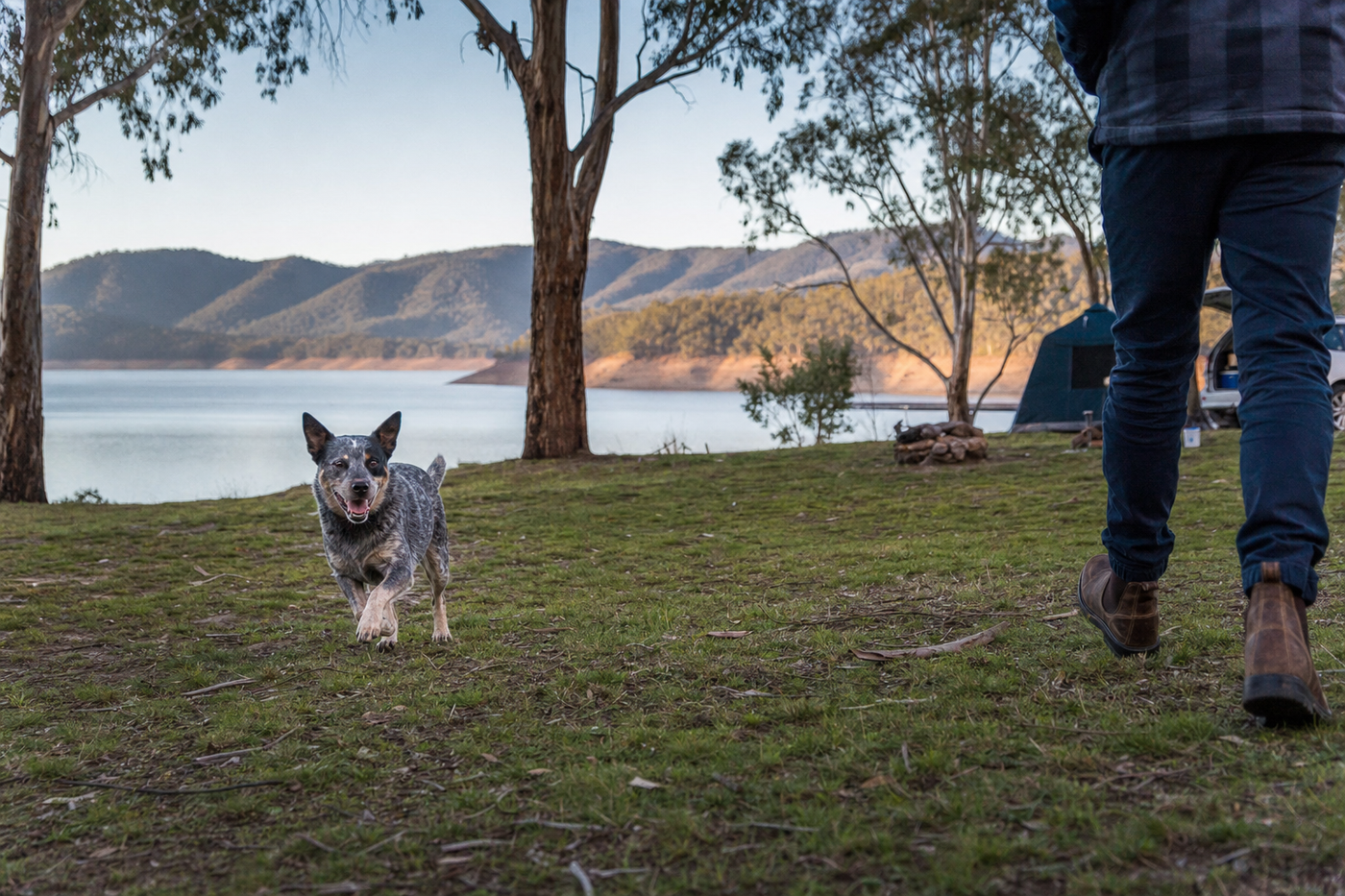
Paralysis ticks are found in eastern Australia and can kill a dog within 24 hours. Check your dog's ears, neck, and paws daily at free camps and remove ticks immediately using tweezers held perpendicular to the skin.
Dingoes and feral dogs pose a serious threat to dogs at remote camps. Never leave your dog unattended or loose at night, and keep her close to your tent away from the camp perimeter.
Why Free Camping Works for Dogs
Free camping lets you and your dog stay longer without eating into your travel budget. Your dog gets space to stretch, sniff new ground, and settle into a routine without feeling rushed to the next town. We spent three weeks in the Grampians near Victoria with our kelpie, camping free on public land, and she was happier than she'd been in cities where we paid for cramped carpark spots.
Your dog also benefits from staying in one place for days rather than moving every night. A familiar camp routine helps anxious dogs relax. You'll notice your dog sleeps better, plays more confidently, and settles faster at dinner time when she knows the layout. Free camping also means less pressure to find pet-friendly accommodation, which narrows your options in many Australian towns.
Public Land Types That Allow Free Camping
Crown land, national parks with designated free zones, and state forests form your best bets for legal free camping with dogs. In New South Wales, you can camp free on certain Crown land parcels. Victoria allows free camping in some state forests, though you'll need to check each area's dog policy beforehand. Tasmania has generous free camping areas across Crown land, particularly around the south coast.
Local councils sometimes allow free camping in specific reserves or on the outskirts of towns. Western Australia has vast stretches of public land where free camping is permitted, though water becomes sparse inland. Queensland's state forests often have free camping zones, but restrictions on dogs vary between forests. Before you pack the car, ring the local council or land management office for your intended area. A ten-minute phone call beats arriving to a fine or a sign saying no dogs allowed.
Gear we would pack
Some links below are affiliate links. Pawtrips may earn a commission at no extra cost to you.
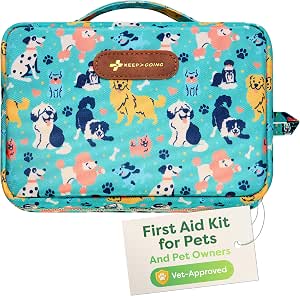
Dog First Aid Kit for Travel Emergencies
It's important to prepare for unforeseeable situations while travelling.

Pet First Aid Kit for Travel Emergencies
A first aid kit is essential for pet travel emergencies.

Dog Wound Care Spray for Healing & Skin Repair
It's great for quick wound care when travelling with your pet.

SCHMACKOS Beef Strapz for Happy Pet Travelers
These treats are perfect for rewarding your dog on the go.
How to Find Free Camping Spots Online and Offline
Apps like FreeRoam, CamperMate, and WikiCamps pinpoint free camping locations with user reviews, facilities, and dog-friendliness ratings. You can filter by water access, shade, and distance from town. We used FreeRoam to find a spot near Mallacoota in Victoria where other travellers had posted that dogs were welcome and a creek ran nearby. These apps save hours of driving around guessing.
Offline resources matter too. Stop at visitor centres in towns along your route and ask staff directly about free camping with dogs. Many councils publish camping guides that list restrictions. Talking to other travellers at pubs or caravan parks yields gold: locals know hidden spots and recent changes to rules. We met a woman at a café in Bright who told us about an unused fire station reserve where rangers turned a blind eye to free camping, and her tip saved us a week's accommodation costs. Keep a notebook for recommendations and mark them on a physical map as backup when your phone dies in the bush.
Essential Checks Before You Camp at a New Spot
Always confirm the spot is public land and free camping is legal. Look for signage stating camping is permitted. If you see no sign at all, assume it's not allowed. Ring the managing authority: Department of Environment and Land Management, Parks Victoria, or the local shire. They'll tell you outright whether your dog can stay overnight.
Once you arrive, scout the site before dark. Walk the perimeter to check for hazards like broken glass, abandoned machinery, or cliff edges. Assess water sources: is the creek clean or stagnant, is there a tank you can refill from? Look for shade trees or wind protection. Notice if other campers are present and what condition they've left the site in. We pulled into a free camp near Dubbo that looked fine online but had fresh animal traps set in the clearing, so we moved on within an hour. Trust your gut: if something feels unsafe for your dog, there's always another spot.
Managing Water and Sanitation at Remote Camps
Carry enough water for your dog for at least two days. A 15-kilogram dog needs one to two litres daily depending on heat and activity. We learned the hard way when a creek we relied on ran dry in February near Mount Hotham, and our border collie got dehydrated by evening. Now we arrive at every new camp with full jerry cans.
If you find a natural water source, let your dog drink but watch for signs of algae blooms or dead animals upstream. Running water is safer than stagnant pools. Bring a portable water filter to clean creek water for yourself and to top up dog bowls. For sanitation, dig a toilet pit at least 50 metres from any water source and your sleeping area. Pack out all waste, including dog poo. Many free camps have no rubbish service, so you'll need space in your vehicle for bins. Waste left behind closes free camping areas for everyone, so stay ruthless about leaving no trace.
Securing Your Dog at Night and During the Day
A secure anchor point matters more at free camps than anywhere else. We use a heavy-duty ground spike with a strong lead clipped to our dog's collar, giving her three metres of movement within the camp zone. Never leave your dog unattended unless tethered or in a locked vehicle with windows cracked for air. Dingoes and feral dogs roam some inland and remote camps, and a loose dog can wander into danger or get lost in the dark.
Set up a designated sleeping area with a mat or blanket and place water and food bowls within reach. Keep your dog close to your tent at night, not at the camp entrance where wildlife or other campers might startle her. If your dog is anxious, bring calming aids like a worn t-shirt or a Kong with treats. Most importantly, never assume your dog will stay put just because she's tired. A sudden noise, another animal, or the smell of a rabbit will override her training. Physical security beats hoping for good behaviour.
Dealing With Wildlife and Other Hazards
Snakes, spiders, and scorpions live in free camping areas across Australia. Clear your campsite of fallen branches and debris before setting up. Shake out bedding and clothing before use. Wear boots when walking in long grass. Check your dog's paws and ears after exploring, as ticks embed quickly in remote areas. We found a paralysis tick on our dog's neck after a walk near the NSW coast and removed it immediately with tweezers held perpendicular to the skin.
Feral pigs, wombats, and emus can be aggressive if cornered or protecting young. Keep your dog from chasing wildlife, as many native animals can injure or kill a dog. Magpies swoop during breeding season from September to November, so watch your dog's head during walks. Campfires attract wildlife and can spread, so stick to camp stoves. Leave no food scraps or rubbish exposed, as this encourages repeated visits from possums, foxes, and other scavengers that might threaten your dog.
Camp Etiquette and Leaving Sites Better Than You Found Them
Free camping sites stay legal and open because travellers respect them. Leave your campsite cleaner than you found it. Pick up any rubbish you notice from previous campers. Burn no rubbish in fires. Keep noise low, especially if others are camped nearby. Turn off music after 9 pm and don't let your dog bark for hours on end, as this sours locals and land managers on free camping.
If you use a toilet pit, cover it properly and mark its location so other campers know not to dig nearby. Don't cut down trees or remove vegetation. If you gather firewood, take fallen branches only. Leave a polite note thanking the land managers if there's a register. We've found that being the kind of camper you'd want as a neighbour keeps these spots alive for the next traveller and their dog. A single careless camper can prompt councils to close free zones, so your conduct affects everyone who comes after you.
Plus early access to new guides and partner deals.
No spam. Ever. Just the good stuff for you and your pet.