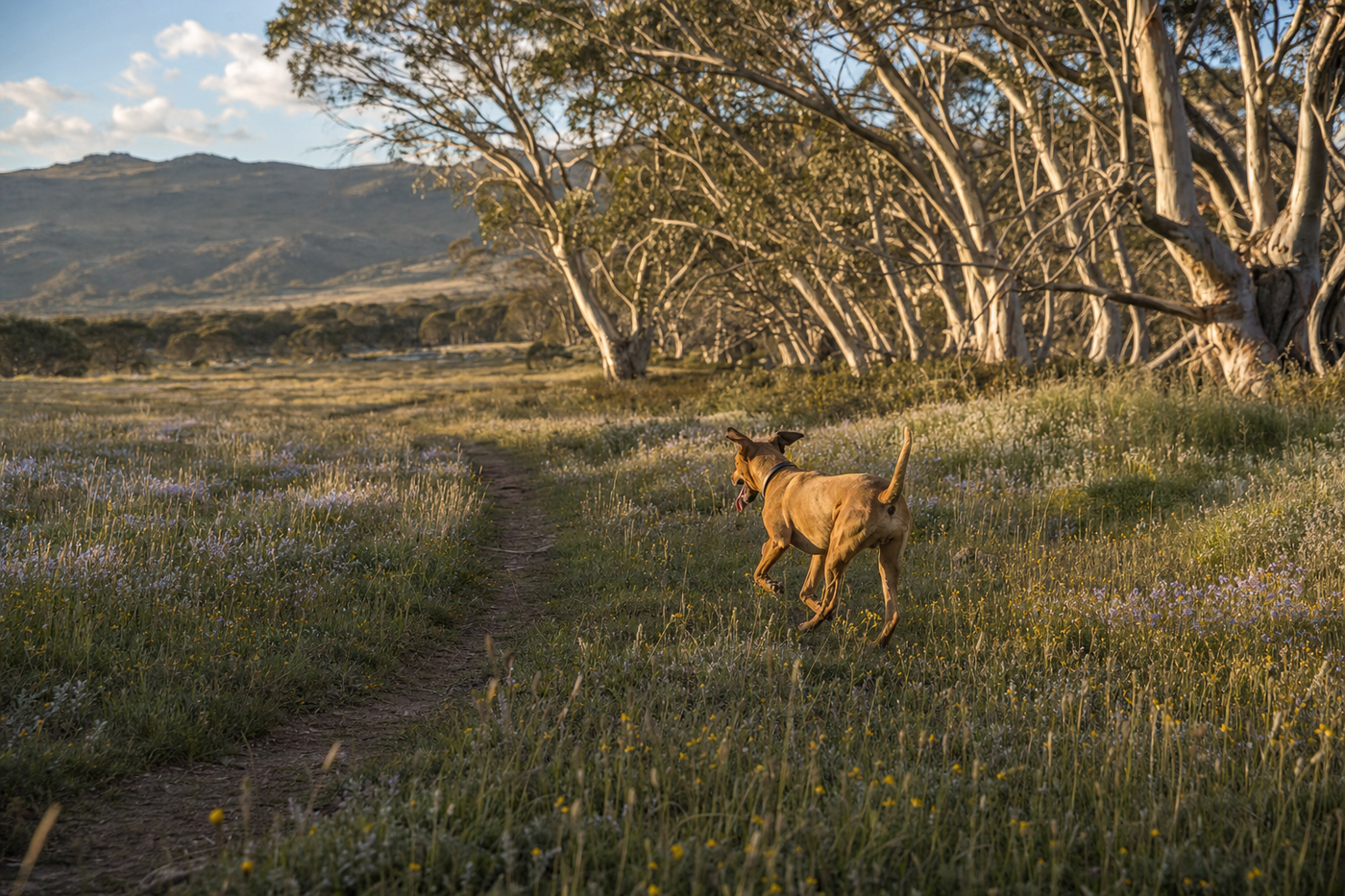
Never leave your dog in a parked car on warm days. Interior temperatures reach dangerous levels within minutes, even with windows partially down. This is a genuine risk to your dog's life.
Dehydration in dogs happens silently and quickly during car travel. Always carry water and offer it frequently. Signs like lethargy, dry mouth, or lack of response to your voice mean you need to see a vet immediately.
The two hour rule: why your dog needs regular stops
I learned the hard way that dogs need to stop much more often than we do on long drives. My kelpie, Blue, got anxious after about ninety minutes stuck in one position, and by the two hour mark he was genuinely distressed. Most vets agree that two hours is the sweet spot for a typical adult dog, though puppies and senior dogs often need stops every ninety minutes.
Your dog's body works differently in a moving car. They can't shift position freely like you can, and the constant motion makes their stomach more sensitive. A two hour stop in Bathurst or Broken Hill gives your dog a chance to stretch muscles, relieve themselves, and settle their stomach before continuing. Small breeds and very large dogs might struggle with even two hours, so pay attention to your individual dog's signals.
What happens if you don't stop often enough
When you skip stops or push past two hours, your dog pays the price. I once drove from Sydney to Melbourne without stopping properly, and Blue developed motion sickness that made the last two hours miserable for both of us. Dogs that don't get breaks become anxious, which can lead to car sickness, accident in the car, or worse, an escape attempt at an unsafe moment.
Dehydration is another real risk. Your dog loses moisture from breathing in a moving car, and if you don't offer water regularly, they can become dangerously dehydrated, especially on hot Australian roads. A dog that hasn't toileted properly can develop urinary tract infections or worse. The short time you save by skipping stops costs you far more in vet bills, stress, and a miserable road trip experience.
Gear we would pack
Some links below are affiliate links. Pawtrips may earn a commission at no extra cost to you.

Quiet 62L Pet Dryer Box with Smart Control
This ensures your pet stays comfortable and dry during your travels.

Mini GPS Tracker for Cats - Real-Time Location
Tracking your cat eases the stress of travelling together.

Hemp Oil for Dogs: Skin, Coat & Anxiety Relief
Hemp oil can ease your pet's anxiety during travels.

Dog Car Booster Seat for Safe Travel
This car seat offers small dogs a safe and comfortable way to travel.
Planning your route with dog stops in mind
Before you leave your driveway, mark dog-friendly rest areas on your route. Between Brisbane and the Gold Coast, for example, there are several council parks where dogs can run safely. The Pacific Motorway has service stations with designated pet areas, though you need to know which ones in advance. Many Australians find that using Pawtrips or similar pet-friendly platforms saves them the guessing game on the road.
Plan your stops at roughly 120 kilometre intervals. On a Brisbane to Sydney drive of fourteen hours, you're looking at seven major stops minimum. Some people break this into two days, stopping for lunch and a proper walk around Coffs Harbour. Others push through with strategic stops at Taree or Port Macquarie. The point is to plan before you go, not to scramble for somewhere suitable when your dog is already stressed.
What to do during each stop
When you stop, your first move should be to let your dog toilet. Use the lead and give them five to ten minutes in a safe area away from the road. Once they've done their business, offer water in a collapsible bowl that you've brought from home. Let them drink as much as they want, but don't let them gulp huge amounts in one go.
After water, give your dog ten to fifteen minutes to move around and stretch. A short walk around a quiet part of the rest area works well. Avoid play that gets them too wound up, as that makes settling back in the car harder. Let them sniff around, do some gentle walking, and get their energy out quietly. By the time you get back in the car, your dog should feel calmer and more settled for the next leg of the journey.
Managing bathroom breaks on longer stretches
The toilet aspect of road trips with dogs stresses a lot of people, but it's manageable with a system. On my last drive from Adelaide to Melbourne, I stopped every two hours and Blue toileted reliably at each stop because we'd established a routine. Your dog will learn to toilet on command if you use a specific word or phrase each time you stop.
Bring bags for waste and a small shovel if you're stopping in remote areas. Never let your dog toilet next to busy roads or near other cars. If your dog hasn't toileted after ten minutes at a stop, get back in the car and try again at the next stop. Some dogs get nervous about unfamiliar places and can't go on schedule, so don't stress if it doesn't happen like clockwork. The pattern usually works out by the second or third stop on the route.
Heat, hydration and safety during stops
Australian roads get hot, and parked cars get dangerously hot in minutes. Never leave your dog alone in a parked car, even with the windows down. I've seen people duck into a shop for five minutes and come back to a dog in real distress. On a twenty degree day, a car interior reaches forty degrees in under twenty minutes. In summer, forget it entirely.
Offer water at every single stop, even if your dog doesn't seem thirsty. Panting and motion increase water loss, and dehydration sneaks up quietly. Carry more water than you think you'll need, especially if you're driving through outback areas where stops might be far apart. Wet a flannel with cool water and let your dog lick it or wipe their face on hot days. If your dog seems listless, panting heavily, or unresponsive during a stop, that's a sign to take them to a vet before continuing.
Overnight stops: when a day trip becomes two
For drives over eight hours, consider breaking the journey into two days. My vet actually recommended this for Blue, and it changed everything about our road trips. A dog that gets a proper night's rest, a real dinner, and a good morning walk before the second leg of the journey handles the second day exponentially better. You'll also drive safer because you're not tired from managing a stressed dog.
When choosing accommodation, use pet-friendly options that give your dog space to move around. A motel room or cabin is better than a car for overnight recovery. Your dog needs a chance to fully relax, eat normally, and toilet in a familiar-feeling setup. Many pet-friendly accommodation providers across Australia are listed on travel platforms now, so you don't have to hunt around. The extra cost of a night's stay is worth every dollar when your dog arrives at your destination happy and relaxed rather than exhausted and anxious.
Reading your dog's signals during the drive
Your dog will tell you when they need to stop, if you're paying attention. Whining, pacing, excessive panting, drooling, or staring out the window intensely are all signs your dog is stressed or uncomfortable. Some dogs get restless after ninety minutes. Others can go two and a half hours fine. The two hour guideline is a starting point, not a rule carved in stone.
If your dog shows signs of stress before two hours are up, stop. Pushing through teaches your dog that their signals don't matter, and it makes future drives harder. Blue used to paw at his crate around the ninety minute mark on early trips. Once I started stopping then, he relaxed completely. He'd learned I was listening. Now he settles in knowing a stop is coming, and we both enjoy the drive more.
Plus early access to new guides and partner deals.
No spam. Ever. Just the good stuff for you and your pet.