
Heatstroke in pets can occur within 15 minutes in a hot car and becomes life-threatening quickly. Never leave your pet unattended in a vehicle during warm weather, regardless of windows or shade.
Some pets experience severe anxiety or panic during long car journeys. Consult your vet before travel about anti-anxiety medication or calming supplements to keep your pet safe and reduce stress.
Why Interstate Pet Transport Needs Planning
Moving your pet across state lines is more complicated than driving your car alone. Each Australian state has different quarantine rules, import requirements, and health documentation standards. Queensland might require a health certificate valid for 30 days, while Western Australia could ask for additional blood tests. I learned this the hard way when I drove my border collie from Melbourne to Brisbane in 2019 without checking if his vaccination paperwork was state-specific. The vet at the destination turned us away because his rabies certificate had expired two weeks prior. Planning ahead means your pet arrives safely and you avoid expensive vet visits or quarantine delays at the state border. Taking two weeks to gather documents and vet clearances before your travel date prevents most common problems.
Understanding State-Specific Health Requirements
Each state maintains its own animal health authority with different rules. New South Wales requires a health certificate dated within 10 days of travel, while Victoria accepts documents up to 14 days old. South Australia demands a rabies antibody titre test for dogs arriving from certain regions. Western Australia has the strictest requirements, often requesting a 10-day observation period post-entry. Before planning your route from Adelaide to Perth, ring the destination state's Department of Primary Industries and ask them directly about your pet's species and vaccination history. Your local vet might not know all the interstate rules because they only practice in one state. I found that state government websites have outdated information, so a quick phone call saves hours of research. Most states have animal health hotlines open weekdays where staff can confirm exact requirements for your situation.
Gear we would pack
Some links below are affiliate links. Pawtrips may earn a commission at no extra cost to you.

Quiet 62L Pet Dryer Box with Smart Control
This ensures your pet stays comfortable and dry during your travels.
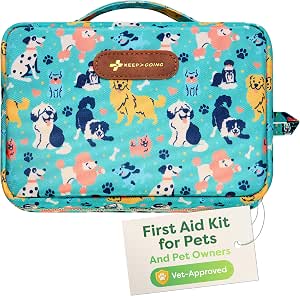
Dog First Aid Kit for Travel Emergencies
It's important to prepare for unforeseeable situations while travelling.

Dog Ear Muffs for Noise Protection
These ear muffs help keep your pet calm in noisy environments during travel.

Reduce Shedding with FURminator Conditioner
A well-groomed coat means less mess in your travel space.
Getting Your Pet's Health Certificate
Your vet issues a health certificate, but they need at least one week's notice to process it correctly. The certificate must be dated within 10 to 14 days of your interstate crossing, depending on the destination state. Your vet will examine your pet, verify all vaccinations are current, and check for any signs of illness before signing off. Microchip details must match the registration in your state's pet registry and be clearly noted on the certificate. When I drove my kelpie from Sydney to Canberra, the vet discovered her microchip number wasn't registered properly, which delayed our departure by three days. Book your health certificate appointment at least two weeks before your travel date to give yourself a buffer. Some country vets can be slower to issue documents, so plan extra time if you're travelling from regional areas like Tamworth or Dubbo.
Preparing Your Pet for Long-Distance Travel
Most dogs find long car journeys stressful, especially if they've never travelled more than an hour before. Start with short drives of 20 to 30 minutes around your local area three to four weeks before the big trip. Gradually increase journey length so your pet becomes comfortable with the motion and sounds. My cattle dog got carsick on every drive until I introduced short trips regularly over a month. Once she realised the car meant adventure, not nausea, longer journeys became manageable. Take your pet to the vet for a check-up two weeks before departure to rule out any health issues that could worsen during travel. Ask your vet about calming supplements or anxiety medication if your pet shows severe stress symptoms like panting, drooling, or refusing to eat.
Packing Essentials for Interstate Journeys
Pack as though you're leaving your pet at an unfamiliar vet clinic, because every item you forget means difficulty replacing it quickly. Bring enough food for the entire journey plus one extra day in case you're delayed by traffic or breakdowns. Pack water in sealed containers and bring a collapsible bowl for regular drinking stops. Your pet's favourite toys, bedding, and a blanket with home scents reduce anxiety significantly during the drive. Carry all health certificates, vaccination records, and microchip registration details in a separate document folder you can access instantly at any roadside stop. When I travelled from Melbourne to Adelaide with my spaniel, I packed her medication schedule on a printed sheet and set phone reminders for dosing times. Include treats your pet already loves, not new ones that might upset their stomach on the road. Pet wipes, paper towels, and plastic bags solve mess problems before they become embarrassing roadside incidents.
Managing Rest Stops and Bathroom Breaks
Plan your route to stop every two hours, which works well for both pet and human comfort. Most service stations along major highways like the Hume, Pacific, and Princes highways have small grassy areas or designated pet spaces. Stop at actual rest areas rather than petrol station forecourts, as these provide safer space for your pet to move around without traffic stress. During a drive from Brisbane to Gold Coast, I stopped at a roadside rest area every 90 minutes, and my dog was far less anxious arriving at our destination. Never leave your pet in a hot car while you use the toilet, even with windows cracked open. Temperature inside a car can reach dangerous levels within 15 minutes on warm days, and heatstroke in pets happens quickly. At each stop, let your pet drink water, stretch their legs, and toilet without rushing. Some pets get nervous at unfamiliar locations, so stay with them while they toilet rather than giving them freedom to wander.
Timing Your Journey to Avoid Heat Stress
Driving during cooler parts of the day prevents overheating, which is the biggest danger for pets during interstate travel. Leave before sunrise if you're crossing states during warm months, aiming to complete most travel before 2 PM when heat peaks. A journey from Sydney to Canberra takes about four hours, manageable in one morning drive if you start at 6 AM. Avoid midday departures during spring and summer, even if it means leaving at an inconvenient time. When I drove my black Labrador from Melbourne to Geelong in July, the cooler weather meant she stayed relaxed the entire journey. Never travel during extreme heat warnings, as heatstroke can become life-threatening within hours. In very hot weather, consider breaking your journey into two days with an overnight stop, allowing your pet to rest in cooler conditions. Some pet owners travel at night during summer, though this can stress pets unfamiliar with night-time driving.
Arriving at Your Interstate Destination Safely
Your pet will be stressed after a long journey, so resist the urge to take them exploring immediately upon arrival. Find your accommodation first, let your pet drink water, and allow them at least 30 minutes to settle before going out. Check your pet for any injuries, signs of illness, or stress responses that might need veterinary attention. Update your local vet at the destination with your contact details and ask for emergency vet clinic locations in case problems arise. When my kelpie arrived in Brisbane after a long drive, she refused to eat for 12 hours because the stress affected her appetite. This is normal but distressing, so knowing an emergency vet nearby provided peace of mind. Let your pet rest overnight in your new accommodation, maintaining normal routines as much as possible. Register your pet's microchip with the new state's animal registry within 10 days of arrival to comply with local regulations.
Plus early access to new guides and partner deals.
No spam. Ever. Just the good stuff for you and your pet.