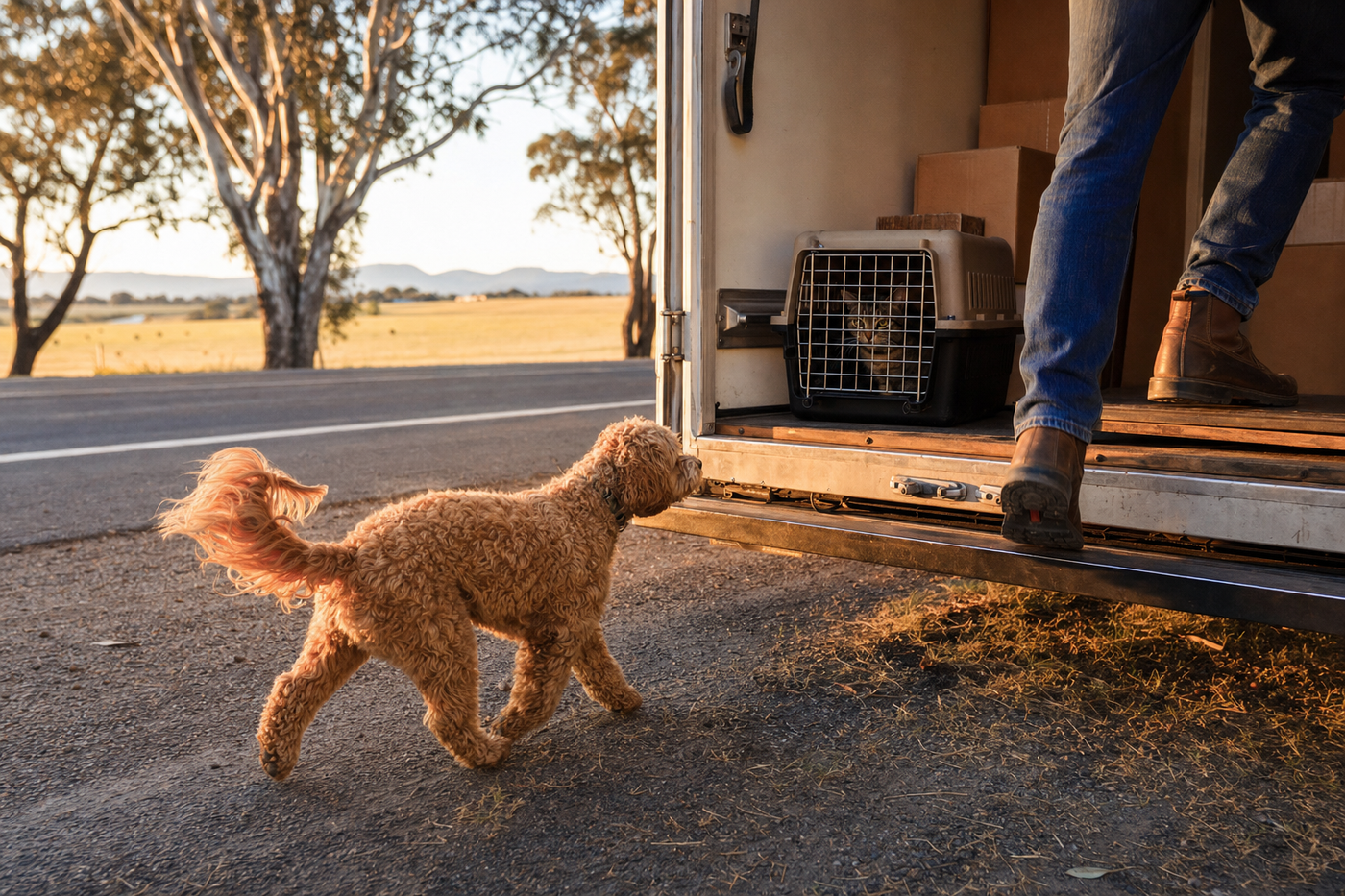
Never leave your cat alone in a parked car for more than a few minutes, as temperatures can become dangerous in Australian climates within minutes
If your cat escapes during the move, contact the local council and nearby vets immediately with your cat's description and microchip number
Start Planning Six Weeks Before Your Move
Your cat needs time to adjust to the idea of change, and you need time to arrange everything properly. Begin by scheduling a vet appointment to ensure your cat is healthy enough for travel and to obtain a health certificate if crossing state borders. Most vets recommend this at least two weeks before departure, but getting it done at the six week mark gives you breathing room.
Research your new neighbourhood and find a local vet in your destination city. If you are moving from Sydney to Perth, that is over 4000 kilometres, so your cat will need several days to recover. Contact the vet beforehand and ask about their emergency services and whether they bulk bill. Update your cat's microchip registration with the new address right now, even before you move. The Australian Pet Register requires current contact details so rescuers can reach you if your cat goes missing during the chaos of moving.
Get Your Cat Used to the Car Before Moving Day
A cat that has never been in a moving vehicle will panic during an interstate trip. Start taking your cat on short drives around your neighbourhood for five to ten minutes at a time. Do this once or twice a week for four weeks leading up to moving day. Many cats calm down after they realise the car is not a death trap.
Use the same carrier each time so your cat associates it with car rides rather than just vet visits. Leave the carrier out in your lounge room for a week with the door open and treats inside. Let your cat explore it at their own pace. On short trips, keep the car quiet and the temperature cool. Your cat will still be nervous on moving day, but at least they will have some familiarity with being in a vehicle for longer periods.
Gear we would pack
Some links below are affiliate links. Pawtrips may earn a commission at no extra cost to you.
Feliway cat calming spray
Feliway mimics your cat's natural calming pheromones and reduces anxiety during car travel and the transition to a new home. Spray it inside the carrier and around your new space to help your cat adjust faster.
Organise Your Cat's Medical Records and Identification
Your cat needs proper paperwork before crossing state borders in Australia. Collect vaccination certificates, microchip registration documents, and any prescription records from your current vet. Request a copy of these documents at least one month before your move. Some councils require proof of desexing and vaccination when you register your cat in the new area.
Contact the council in your new location and ask what documentation they need. Most councils in Australia require registration within two months of moving. Your cat's microchip is your most important tool if they escape during the move. Update the microchip details immediately with your new address and mobile number. Do this before you leave your current state. If you register a new microchip in the new state, make sure the old one is deactivated so rescuers do not get conflicting information.
Cat travel carrier
An airline approved cat carrier keeps your cat secure during interstate travel and prevents escape in busy rest stops. Choose one with good ventilation and a familiar blanket inside to reduce stress.
Pack a Separate Box Just for Your Cat's Essentials
During the chaos of moving day, you need easy access to your cat's food, water, litter, and medications. Pack a plastic storage box or bag with at least one week's worth of your cat's current food. Do not change food brands during a move, as stress already upsets your cat's stomach. Include water bowls, a collapsible litter tray, and litter. Keep medications in a clearly labelled bag with printed instructions from your vet.
Throw in a blanket or item of clothing that smells like your cat's favourite person. Include toys and a recent photo in case your cat goes missing. Keep this box in your car rather than in the removal truck. You want access to these items within the first hour of arriving at your new home. Your cat will feel safer with familiar smells and routines, even if everything else is different. A settled cat settles much faster in their new space.
Arrange Transport and Plan Your Route Carefully
If you are moving a short distance, like from Brisbane to the Gold Coast (about 80 kilometres), you might drive yourself with your cat in a carrier. For longer moves, like Melbourne to Adelaide (about 725 kilometres), consider breaking the journey into two days with an overnight stop. Many pet-friendly hotels and motels along major Australian highways allow cats, but you must book ahead and mention your cat.
If you are moving interstate with multiple pets or a long distance like Sydney to Hobart (over 1000 kilometres by car and ferry), investigate pet transport services. Some companies specialise in moving pets safely across Australia. They are expensive but reduce your stress and your cat's stress. Plan your route to include stops for toilet breaks, even though cats do not need bathroom breaks like dogs. Stop every two to three hours to let your cat stretch and have a few sips of water.
Collapsible travel water bowl
A collapsible water bowl fits easily into your car and ensures your cat stays hydrated during long drives. Stop every two to three hours to offer water, which helps prevent stress related dehydration.
Set Up Your New Home Before Your Cat Arrives
Prepare one quiet room in your new home where your cat will spend their first few days. Set up the litter tray in one corner, food and water bowls in another, and a comfortable bed in a third. Close the door so your cat cannot panic and hide somewhere unreachable in your new home. This containment period lasts two to three days and helps your cat adjust without feeling overwhelmed.
Unpack your cat's familiar items first: their toys, blankets, and scratching posts. The smell of home in the new space reduces anxiety significantly. Open windows to let fresh air in, but keep your cat indoors in their setup room for at least three days. After three days, open the door slowly and let your cat explore the rest of the house at their own pace. Some cats take two weeks to adjust fully to a new home. Patience during this period prevents behavioural problems.
Eco-Friendly Odor Absorber Box for Pets
A new home often smells unfamiliar and stressful for cats. This odour absorber removes litter box smells and other pet odours, making your new space feel fresher and less threatening during adjustment.
Update Your Cat's Details With All Local Services
Within two weeks of arriving in your new state, register your cat with the local council. Most Australian councils charge between 50 and 150 dollars for cat registration. You will need proof of desexing and current vaccination. Failure to register your cat can result in fines if they are found without identification.
Contact your new local vet and schedule a check in appointment within one month of moving. Ask the vet to update your cat's records and confirm they have received faxed information from your previous vet. If your cat has any ongoing health conditions, make sure the new vet understands the full history. Update your pet insurance company with your new address and phone number. Some insurance policies have exclusions if you move interstate, so check your policy details carefully. Inform your pet microchip registry of the new address one final time to close out any loose ends.
Monitor Your Cat's Behaviour and Health After Moving
Many cats experience stress-related behaviour changes after an interstate move. Some cats stop eating for a day or two, while others become unusually quiet or aggressive. This is normal and usually passes within one to two weeks. However, if your cat refuses food for more than 24 hours or shows signs of illness, contact your new vet immediately.
Keep a close eye on your cat's litter box habits. Stress can trigger urinary issues in cats, which are serious if left untreated. Monitor their water intake and ensure they are using the litter tray regularly. Some cats develop anxiety after moving, which may require medication from your vet. If your cat seems to be struggling, ask your vet about calming products or pheromone sprays. Most cats settle within four weeks if you maintain their routine and provide consistent affection. The investment in careful planning now pays off in a happy, settled cat.
Pet first aid kit
Keep a pet first aid kit in your car during the move in case your cat has a minor injury or health issue during travel. Include bandages, antiseptic wipes, and contact details for emergency vets in your new region.
Plus early access to new guides and partner deals.
No spam. Ever. Just the good stuff for you and your pet.