Before you leave: the essential admin
Microchip registration varies by state in Australia. When you move interstate you are required to update your dog's microchip registration with the relevant authority in your new state. This is not optional and there are fines in most states for unregistered dogs. Council registration also needs to be updated. Your dog is registered in your current council area. When you move you need to register with your new local council. Most councils allow a transition period but do not leave it too long. Get a full copy of your dog's vet records before you leave. Most vets can provide a printed or digital summary. This gives your new vet in the new state a complete health history without gaps.
Transport options for interstate moves
Driving is the most common option and the most manageable for most dogs. The dog is with you, you control the stops and the pace, and there is no additional stress of being in a kennel or cargo hold. For very long moves, driving with overnight stops is significantly better for your dog than attempting to cover the distance in one day. A dog that has rested at proper stops is in much better condition to adjust to a new home than one that has spent 12 hours in a car. Flying a dog as cargo is an option but brachycephalic breeds have significant restrictions on many Australian carriers. For non-restricted breeds, flying cargo means arriving without seeing your dog for the duration of the flight. Most relocating dog owners choose to drive if the distance is manageable. Pet transport companies operate across Australia and can move your dog safely if you are flying or if driving is not possible. Professionals are accredited by IPATA and use appropriate vehicles and kennels.
Gear we would pack
Some links below are affiliate links. Pawtrips may earn a commission at no extra cost to you.

Quiet 62L Pet Dryer Box with Smart Control
This ensures your pet stays comfortable and dry during your travels.
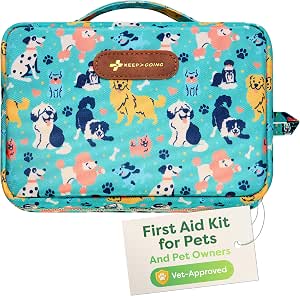
Dog First Aid Kit for Travel Emergencies
It's important to prepare for unforeseeable situations while travelling.

Dog Ear Muffs for Noise Protection
These ear muffs help keep your pet calm in noisy environments during travel.

Reduce Shedding with FURminator Conditioner
A well-groomed coat means less mess in your travel space.
Helping your dog settle into a new home
Unpack your dog's belongings first. Their bed, their water bowl, their toys. Having familiar-smelling items in the new space before they explore it gives them anchors of familiarity in an otherwise unfamiliar environment. Establish the routine immediately. Same feeding times, same walking schedule, same bedtime pattern. Dogs settle into new environments significantly faster when their daily routine is consistent. A dog whose routine has been disrupted as well as their location is managing two stressors instead of one. Explore the new neighbourhood together from day one. Regular walks through the new area let your dog build a scent map of their new territory. This is how dogs understand and claim a new home. It is important and it takes time.
Finding a new vet
Find your new vet before you need one. Research vet clinics in your new area before the move, not after your dog is sick. Ask your current vet for a recommendation if they have contacts or knowledge of the new area. Online reviews are useful but not the full picture. A brief introductory appointment in the first few weeks gives your new vet a baseline and gives you confidence before an emergency. If you have a dog with ongoing health conditions or regular medications, ensure there is no gap in prescription availability during the move transition.
State-specific considerations
Each Australian state has slightly different requirements for dog registration and microchipping. Queensland, NSW, Victoria, South Australia, Western Australia, Tasmania, the ACT, and the Northern Territory all have their own registration systems. The RSPCA website for each state has current registration requirements. Most require registration within 30 days of arrival. Some have specific requirements for imported dogs from certain other states relating to diseases like heartworm that are more prevalent in tropical regions. If you are moving from a tick-free state to the east coast, tick prevention becomes immediately relevant. Discuss this with your new vet at your first appointment.
Moving interstate with a dog is manageable with the right preparation. The admin is genuinely important and worth doing properly. Write to us at hello@pawtrips.com.au if you have interstate move tips worth sharing.
hello@pawtrips.com.auPlus early access to new guides and partner deals.
No spam. Ever. Just the good stuff for you and your pet.