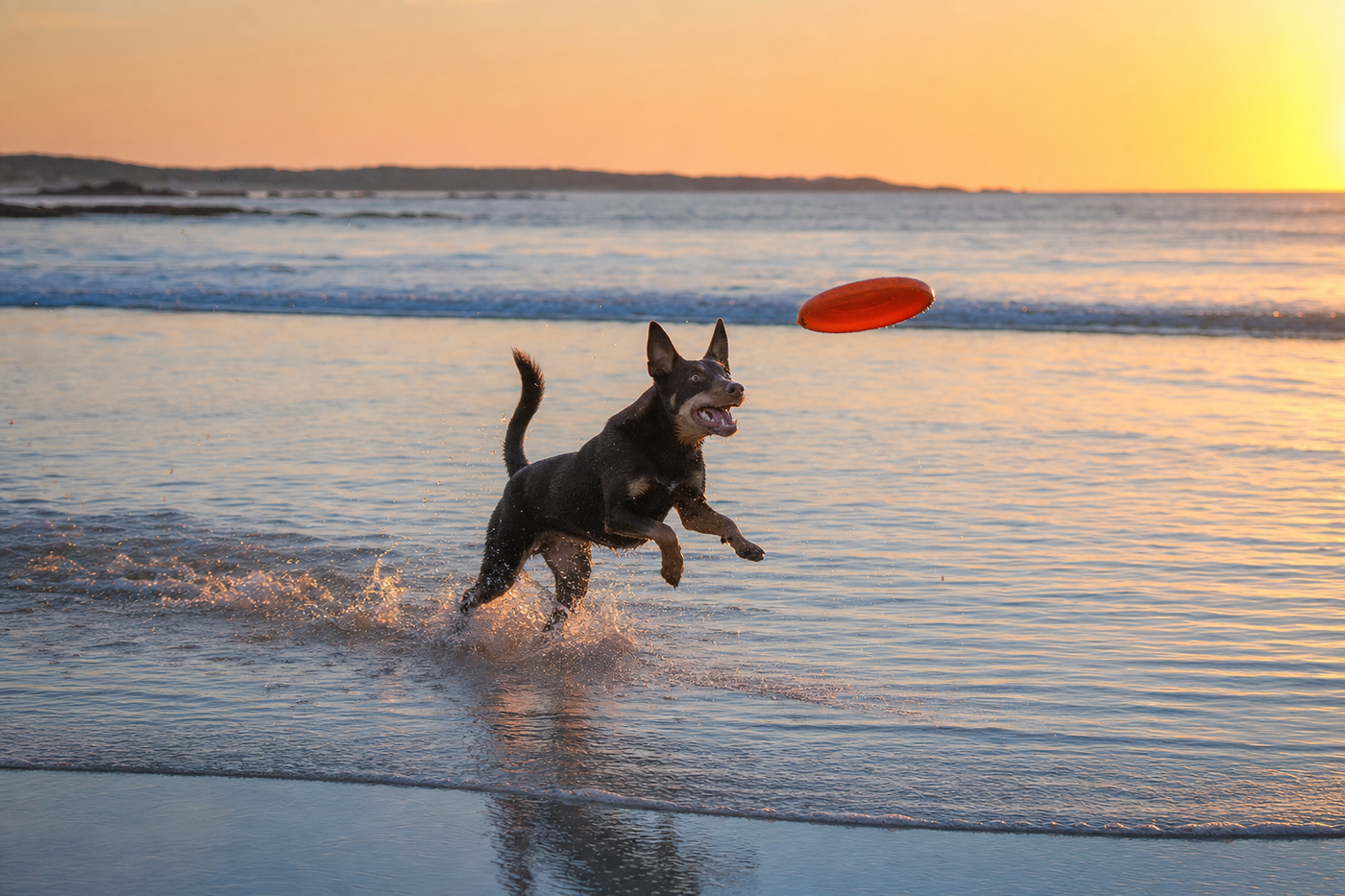
Australian summer heat kills dogs quickly. Never leave your dog unattended in heat, and watch for signs of heat stress like excessive panting or lethargy.
Check local wildlife warnings before visiting national parks or beaches. Some areas have dangerous snakes, spiders, or marine life that could harm your dog.
Why New Year Is Perfect for a Dog Holiday
New Year feels like the right time to get out of the routine and spend proper time with your dog. School's finished, work is quieter, and the whole country is in holiday mode. Your dog doesn't care about resolutions, but they'll absolutely love having you around without the usual rush.
Travelling with your dog over summer means exploring places they'd normally never see. The problem is that December and January fill up fast, so you need to start planning now. Most pet-friendly spots and dog-friendly rental homes book out weeks in advance during this period.
The Australian summer heat is a real factor too. You'll need to be smarter about timing your activities and choosing cooler locations. But plenty of dogs thrive with a beach holiday or mountain getaway, as long as you plan for the heat.
Coastal Towns Where Dogs Can Truly Relax
Byron Bay in northern New South Wales is packed during New Year, but for good reason. The beaches there allow dogs before 9am and after 5pm, which gives you perfect morning and evening walking slots. The town itself is dog-friendly, and plenty of cafes have water bowls out the front.
You could also consider Merimbula on the New South Wales south coast. It's quieter than Byron Bay but still has great dog-friendly beaches and plenty of carparks near the water. The main beach allows dogs off-lead in certain areas during winter months, though you'll need to check current restrictions.
Mellor Beach near Noosa in Queensland is specifically dog-friendly year-round. It's patrolled and safe for swimming, and your dog can run without the usual beach restrictions. Accommodation around Noosa varies wildly in price, so start your search early to find something within budget that welcomes dogs.
Gear we would pack
Some links below are affiliate links. Pawtrips may earn a commission at no extra cost to you.
Collapsible travel water bowl
Dehydration is a real risk on Australian holidays, especially at the beach. A collapsible bowl takes no space in your bag but lets your dog drink whenever they need to, keeping them safe from heat stress.
Mountain Escapes and Cool Climate Options
If you want to dodge the worst of the summer heat, the Blue Mountains near Sydney offer excellent dog-friendly hiking. Echo Point offers stunning views and plenty of walking tracks suitable for dogs of all fitness levels. The cooler climate means your dog won't overheat during a midday walk, which is a real bonus in January.
You could rent a cabin in Leura or Katoomba and use it as a base for exploring the region. Most rental homes there are dog-friendly, and locals are used to holiday dogs coming through. The town has good vets within reach, which matters if anything goes wrong during your trip.
Another option is the Dandenong Ranges near Melbourne. The Sherbrooke Falls Walk is flat enough for most dogs, and the fern gullies stay shaded and cool. The town of Olinda has cafes that welcome dogs, and you're never far from veterinary help if you need it.
PAW by Blackmores Osteocare Joint Protect for Dogs
Mountain hikes and beach walks put extra stress on your dog's joints, especially over longer trips. This supplement supports joint health and can help prevent soreness after days of exploring new terrain.
National Parks Your Dog Can Actually Enjoy
Ku-ring-gai Chase National Park north of Sydney allows dogs on leads in most areas. Sections of the park have beautiful walking tracks where you can spend the day with your dog without worrying about wildlife conflicts. The park has picnic areas with tables, so you can sit down and share lunch with your mate while looking at the water.
Grampians National Park in Victoria welcomes dogs on lead throughout most of the park. The Wonderland Loop Walk is about 8 kilometres and takes three hours, which is doable for most medium to large dogs. The landscape is dramatic, and your dog will love the different smells and terrain compared to home.
Don't overlook smaller local parks either. Many caravan parks sit next to national parks or nature reserves, and you can often do shorter walks without the crowds. Research what's near your accommodation before you book, because pet policies vary significantly between different areas of the same park.
Booking Dog-Friendly Accommodation the Right Way
Pawtrips makes this easier than most platforms because we actually verify that places are genuinely set up for dogs. When you're booking, check exactly what that accommodation means by dog-friendly. Some places allow dogs but charge fifty dollars extra per night, or they restrict them to one room only.
Ask specific questions before you book. Can your dog be left alone during the day if you want to grab lunch at a restaurant. Does the place have a fenced yard, or will your dog need to be on lead the entire time. What's their cancellation policy if your dog gets sick and you need to leave early.
Caravan parks often offer the best value and most space for dogs. Your dog gets to be outside, and you're usually near beaches, forests, or rivers. Many caravan parks have large camp kitchens where you can prepare meals, which saves money compared to eating out every night.
Dog travel bed
Rental beds and floors are unfamiliar and uncomfortable for dogs. A portable travel bed gives your dog their own familiar space in each new accommodation, helping them settle and sleep better during your holiday.
Managing Your Dog's Health While Travelling
Before you leave, make sure your dog's vaccinations are current and you have a copy of their microchip details. Losing a dog away from home is every owner's nightmare, and you need to be prepared. Take a recent photo of your dog on your phone before you travel, just in case you need to post it online quickly.
Familiarise yourself with emergency vets in the area you're visiting. Write down their address and phone number because mobile service isn't reliable everywhere. Some inland areas have limited vet options, so if your dog gets sick in a remote spot, you might be driving an hour to find help.
Watch your dog closely for heat stress during January. Signs include excessive panting, drooling, lethargy, or stumbling. If you see any of these, get your dog into shade and cool water immediately. Never leave your dog in a car, even with the windows down, because the temperature inside rises dangerously within minutes.
Pet first aid kit
Cuts, insect bites, and minor injuries happen when dogs explore new environments. A pet first aid kit means you can handle small issues immediately without needing to find a vet for every scrape.
What to Pack and What to Leave Behind
Bring more water than you think you'll need. A collapsible travel bowl takes up almost no space and means your dog can drink whenever they're thirsty. Dehydration in Australian heat is serious, and your dog can't tell you they're struggling until it's urgent.
Pack their regular food if possible, because changing diet while travelling can cause digestive issues. Most rental accommodation has nowhere to buy dog food quickly, so bringing what they normally eat removes that stress. Include any medications or supplements they take, plus documentation about their health from your vet.
Leave behind any toys or items they might chew up. Rental homes owners get upset when dogs destroy furniture or carpet, and you lose your bond money. Stick to simple walks, water, and your company as entertainment. Most dogs are happy with that during a holiday.
Blackdog Chicken Breast 1KG
Bringing familiar food is easier than finding dog food in regional areas, and chicken breast is protein-rich for active holiday days. Your dog will love it as treats or meal toppers when exploring new places.
Making New Year Memories Without the Headaches
The key to a good dog holiday is having realistic expectations. Your dog doesn't need to visit ten different locations in two weeks. A week in one place where your dog can settle, explore nearby, and relax with you is far better than constant moving.
Plan your activities around your dog's energy levels and the heat. Go out early in the morning when it's cool, rest during the hottest part of the day, and go out again in the evening. Your dog will actually enjoy this rhythm better than being dragged around in midday heat.
Take lots of photos and enjoy just being around your dog without the usual distractions. These memories are what matter. New Year is a good time to reset how you spend time with your dog and make travelling together part of your routine.
Plus early access to new guides and partner deals.
No spam. Ever. Just the good stuff for you and your pet.